
Here are the results of the latest study on mobile use among business travellers by Sabre Travel Network.
• 72 percent of business travelers are interested in the ability to view hotels on a map using their mobile devices, an increase of 26 percent from 2009.
• 47 percent of business travelers use their Smartphone daily to view or receive advertisements, a 95 percent increase from 2009.
• 66 percent of respondents reported interest in the ability to add a hotel reservation to an existing itinerary using their mobile devices
“Our survey shows that business travel today is personal. Travelers want the same functionality and convenience from their business travel tools that they have in their daily lives. People use travel services on their smart phones everyday and for every trip – before, during and after they travel,” said Chris Kroeger, senior vice president of Sabre Travel Network.
For hoteliers, the impact is obvious – so here are a few best practices suggested by Sabre to get you started:
• Make sure you have an optimized mobile website and booking engine. It might seem too obvious to add to this list, but it’s really too crucial to leave off. Every industry mobile stat published these days points to how much more consumers are using mobile for booking their travel, and this is especially true in the business sector as shown in the survey results. While your website and even booking engine may currently show up on a mobile device, it they haven’t been specifically designed with the mobile audience in mind, the experience can become frustrating. Take advantage of this trend with an excellent mobile site designed to get your mobile visitors to the answers they are looking for quickly and efficiently, with the ability to book on every page.
• Think of Mobile as its own channel so you can offer special rates, promotions, product descriptions as well as tracking specifically for this market.
• Take advantage of SMS/Text message marketing programs. Guest can opt-in and receive messages pre- post- and during their stays at your property.
• Work with sites with geo-location services such as Foursquare, Facebook, Gowalla, and Yelp to offer promotions. First claim and clean up your listings. You will often find multiple listings for your business under slight variations for your name created when people check-in. You want to try to fully promote your brand within the network built so it’s important to report and merge duplicate listings. Next, participate in the free marketing programs that many of these sites offer such as adding links to your Website and other social media accounts, uploading pictures or offering check-in deals and specials.
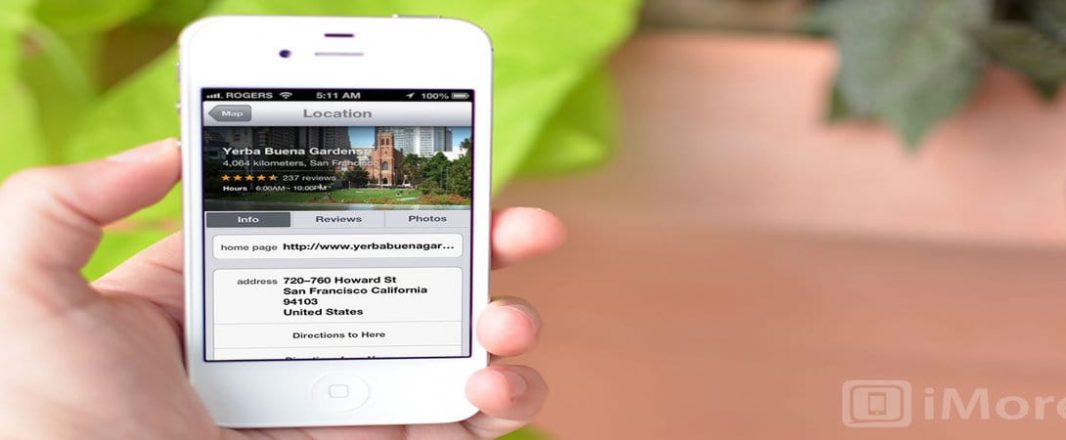
• Optimize your location for mapping and mobile search. Claim and optimize your listing to ensure that listing information like address, directions and Website URL are accurate and all necessary fields are created and keywords are incorporated. Encourage users to write reviews of your business on Google Places. An advantage there is that if you have a strong optimization strategy in place for the web search version of Google Places, you will also position well in mobile search. Consider running a mobile targeted AdWords campaign with click to call and tailor your message to mobile users.
• Consider QR code promotions within your marketing to bridge on- and offline strategies. Add QR codes to print collateral and send users to a specifically designed mobile landing page. QR codes can also be implemented on the property’s internal Wi-Fi page or the TV home screen so users can interact with their mobile devices within the property.