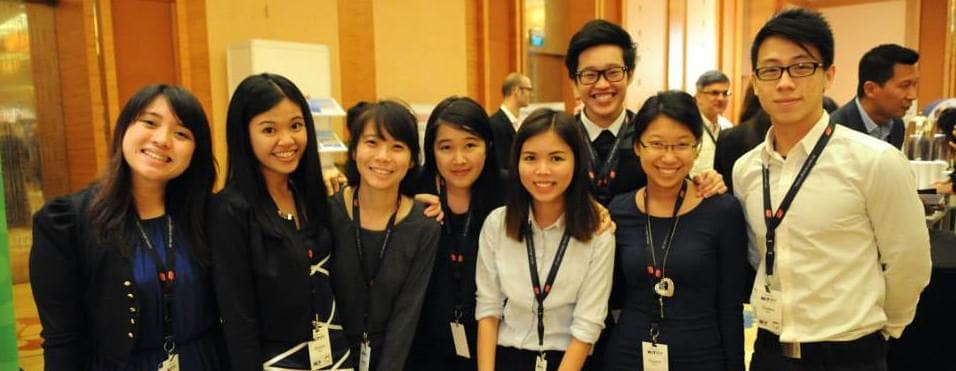
As part of our WITNext outreach to inspire and mentor young talent, we opened our events to tourism and hospitality students from the UNLV (University of Las Vegas). This is a summary by Jan Lim on The Challengers’ panel on Day 1 of the WIT 2014 Conference on Oct 28.
How does one infiltrate into travel application market with existing big players such as Airbnb & TripAdvisor? How does one successfully challenge the status quo, and change the rules in their markets?
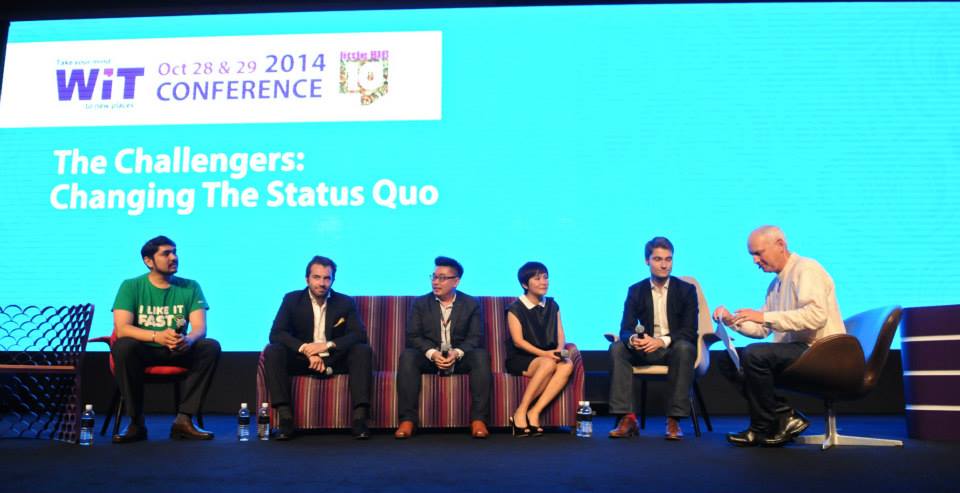 During this discussion forum between successful infiltrators, it was announced that a total of US$368million of capital were being raised in merely 2 to 3 years by these 5 players. One of questions posted, along the lines of how was this capital being raised, and what was being pitched to the investors? In response, most agreed that it is about managing risk, using proven models out there that are already working, and capitalising on that – bringing it to greater heights. One other thing that was pointed out, which determines the amount capital invested, is the market size – How large are these existing consumer demands (e.g. travellers)? How large of the supply that exists in this market (e.g. hotels)?. Explaining further “How can you be better, be 10 steps ahead of the market?”
The moderator, Mr Philip Wolf, posted a question of whether venture capital is needed in growing a company. The panel’s response were a definite yes. Illustrating the term of “go big or go home”, Mr Fuad explains that it is important to be fast in the market in order to survive, and without venture capital, how could you accelerate growth then? Others then agreed by mentioning the importance of building brand, in order to grow the company, which would mean incurring high costs.
The panel were then asked of their personal steps in resolving the dilemma of managing between supply vs customer. Which comes first? What Mr Gill, Co-founder of GrabTaxi, shared was how his team were fortunate to ride on existing platforms where there were both the customer base, and the pool of taxi drivers (supply). Mr Gill also shared the story of how he had to do the ground work of meeting taxi drivers, and introducing to them the application in which they could use, essentially hard-selling his product.
Author, Jan Lim (right) with WIT’s Community Manager, Corinne Wan
The discussion then led towards the question of managing the company’s energy, keeping it going, as oppose to the company’s behaviour of inclining towards looking out for problems only. Many mentioned that hiring the right people is absolutely essential – looking out for passionate and driven individuals. Others mentioned about the company’s culture playing a large role in keeping the company’s dynamism of growing. In addition, one of the important key factor is leadership – establishing the DNA, ensuring that the leaders learn to care for the business. Leading by example, displaying active leadership through writing, involvement, and challenging growth to the team.
One of my biggest takeaways are the personal stories of how each individual were relentless and bold in experimenting with the new. I sensed a common spirit of being unafraid of making changes, and owning up challenges that lies in the way. I guess that summarises how these players are able to change the status quo.