
Growing up in the Isan village of Roiet, Thai entrepreneur Somsak Boonkam (Pai) knew he had to pursue education to escape poverty. At age 8, his parents managed to gather enough money to send him to Chantaburi High School. From there, he studied his way to university at Nakhom Pathom.
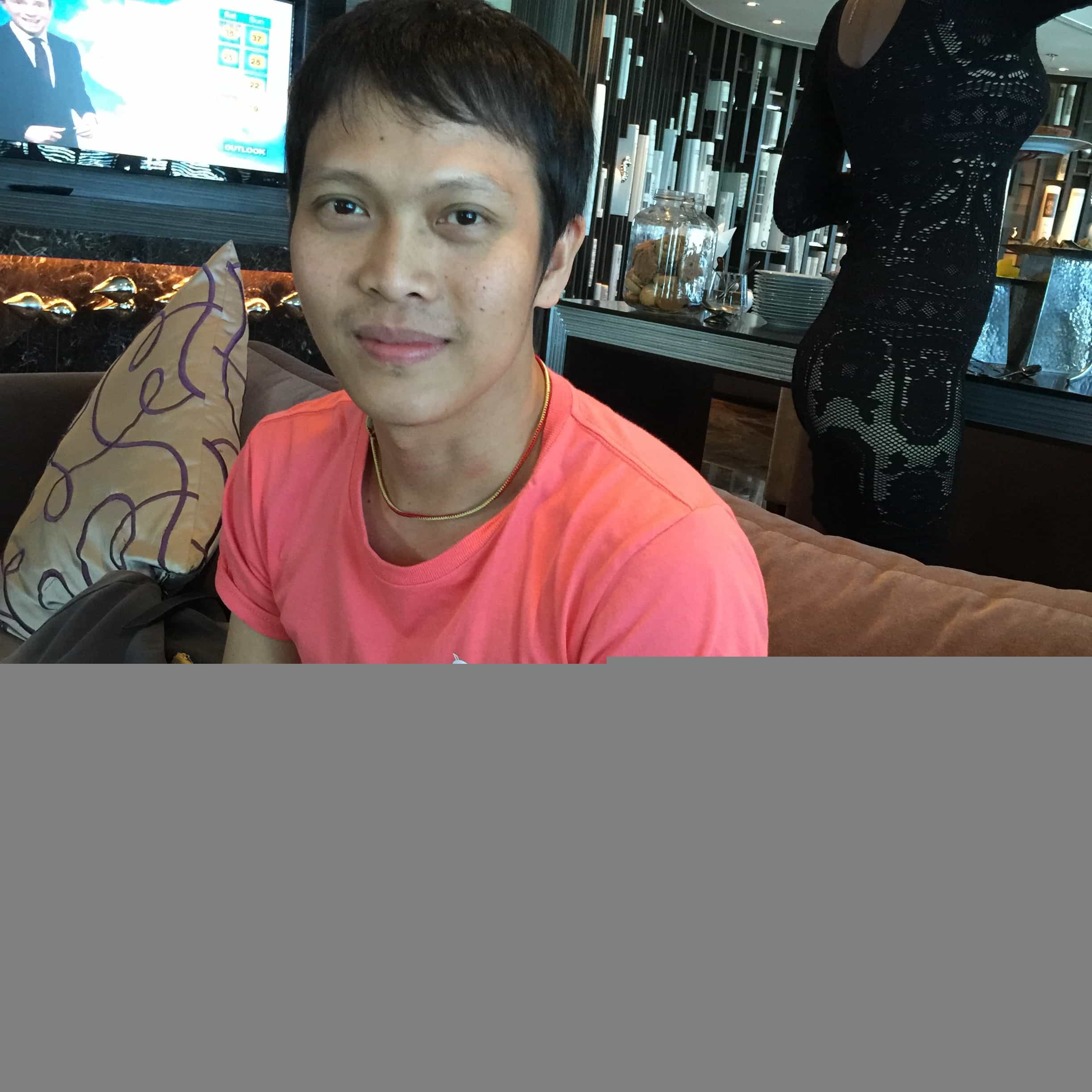
Pai: “I saw a lot of inequality and poverty and I knew that as an engineer, I cannot solve these problems.”
“That changed my life. If I hadn’t moved out, I’d just have finished high school and ended up as a factory worker,” said Pai, who two years ago set up Local Alike, an online business offering community-based tourism experiences. (The company won the People’s Choice Award at the WIT Start-Up Pitch in Singapore last year.)
“My parents wanted me to get a better education to get out of poverty and encouraged me to think for myself, be independent.”
After graduation, he got an engineering job with a German company and stayed with the company for three-and-a-half years, two of which was spent in Germany.
With the money saved from his stint in Germany, he took time off to travel through Laos, Myanmar and India. “I saw a lot of inequality and poverty and I knew that as an engineer, I cannot solve these problems.”
He quit his job and pursued further education in sustainability at Presidio University in the US, working his way through two-and-a-half years of studies. Meantime, with the money he had accumulated from Germany, he bought a restaurant in Chiang Mai for his parents to run and start a new life there.
Armed with a new degree from the US, he returned to Thailand where he worked on the Doi Tung Development Project in the North. There, he spent time with two villages to help them develop home stay plans.
“I learnt so much during my time there. They are not only motivated to improve their villages but they really do want to do tourism on fair and equitable terms. Tourism is a big source of income for Thailand but only 15% or less of that go towards the local communities.”
Pai estimates there are at least 200 communities in Thailand who want to “create something that connects them directly with travellers looking for sustainable tourism activities”.
“Now they rely on travel agencies but travel agencies don’t want to spend too much time on developing the communities to be ready for tourism.”
This was when he saw the need for a platform like Local Alike to connect these communities throughout Thailand directly with travelers, as well as prepare them for welcoming visitors to their villages.

Local Alike: Connecting local communities with travellers
He and his co-founder, Noon S. Pakavaleetorn, first approached investors for funding but found no interest. “We decided no more talking with investors and we decided to enter competitions.”
In its first year, it entered a local social enterprise competition, called Banpu, and won the first prize of 250,000 baht. With that, they were able to work with seven communities in Chiang Mai and Chiang Rai – worked with them on the ground as well as get them online on the website.
In the second year, it entered three competitions – one of which was run by AIS, the Thai telecommunications company, and the prize was a marketing reach worth 1 million baht.
In total, it raised 1 million baht in cash from these competitions and with that, was able to build out its business. Today, it has 15 communities in its listings and hopes to expand to 200 in the next couple of years. It also intends to work with partners and communities in other countries in Asia.
“We select our communities based on whether they have unique and interesting points of culture and lifestyle and we have to make sure that tourism is a second source of income,” said Pai.
The team now has 11 staff and an NGO, Change Ventures, has pledged 1.2m baht in new funding. “We will use the new funds to expand our staff and build out demand. To bring in revenues, we also organise tours for corporates and also have individuals booking tours with us.”
It has also launched a voluntourism programme with the Tourism Authority of Thailand in Europe. “We have developed three special itineraries to sell in Europe – people come to stay for six nights/five days with the communities.”
Up to 70% of transaction fees go back towards the local communities and are put into a central fund managed by the community’s chief.
Pai’s vision is to build Local Alike into a marketplace with a back-end content management system that will allow communities to generate and manage their own content. This would enable it to scale. He estimates there could be up to 1,000 such community tourism experiences in Asia.
The challenge is of course creating brand awareness so that travellers know about Local Alike, with the limited resources they have. “This is why we are interested to work with partners who can help us with reach and distribution,” said Pai.
Currently, the website sees transactions from markets such as Norway, Germany, France and Singapore, and LocalAlike also has working partnerships with brands such as Como Hotels who are keen to introduce local experiences to their guests.
The road of course has not been easy. “It was a hard decision to quit Doi Tung but my boss understood my decision and also believes tourism in local communities has to be done properly to improve the betterment of villagers.
“I spent a year just to get the concept right, to build trust on the ground. I am humbled by the trust these local communities have placed in LocalAlike, and we must protect that at all costs.”