
In launching its app in South Korea today, its 15th country, last minute booking app HotelQuickly took its time to make sure it got it right in Asia’s most mobile market.
CEO Tomas Laboutka said, “We didn’t want to rush to Korea just to be there. We wanted to really learn as much as possible about the Korean market before launching. We took our time to develop the app to really meet the needs of Korean and international travellers, and are now confident that the app will exceed the expectations of people who need to book last-minute in the region.”
The launch of the Korean version, available for travellers in Seoul, Busan, Kyungsan-do, Ulsan, Daegu, and Jeju Island, was also timed with a redesign of the HotelQuickly app. The app has been reworked from scratch, offering improved functionality, more information on hotels, and a more streamlined hotel booking process.
“Our iOS and Android teams have been working extremely hard on this redesign to make our last-minute hotel booking not only more intuitive, but visually exciting as well,” said HotelQuickly Co-Founder and CTO Michal Juhas. 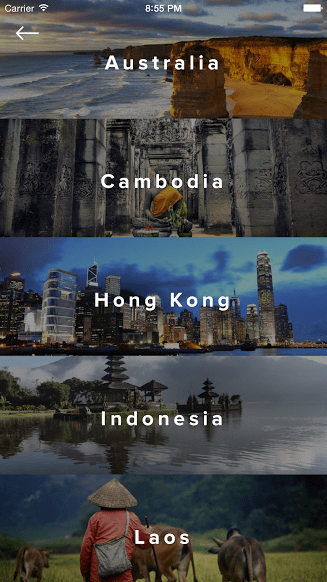
Said Laboutka, “We take every market as a completely new experience. Korea has couple of great advantages over some of our other markets (extremely high credit card & smartphone penetration, close proximity of getaway destination, great inbound of large markets from Japan and China) to name just a few.
“We see that the Korean customers are very sophisticated and thus we wanted to ensure we are really ready to serve them and all travellers coming to Korea with a superior product.”
In terms of securing hotel content for the Korean app, Laboutka said it leveraged the experience it has gained from partnering with over 4,500 hotels in the region. “We have dedicated teams that ensure the superior quality of our hotels, the “hand-picked” curated feeling and the great deals. As in all the other markets, local insights are key to customer understanding and the good hotel selection.”
And while he acknowledges a couple of similar products on its radar in the market, “we are not worried about the competition”, he said, citing the highly tailored experience offered by HotelQuickly.
“Real people from our team handpick the deals that are displayed in the app, so travellers know that someone has done the groundwork for them and it’s easier to make a decision. The HotelQuickly experience is also going to attract travellers in Korea thanks to our loyalty and referral programmes that save people even more money on their spontaneous travels needs.”
Since its rollout in Asia/Pacific, he said HotelQuickly was seeing strong brand loyalty in markets with high mobile penetration as well as destinations with healthy inbound travel. “Thailand and Indonesia are two of our top markets thanks to both people seeking getaways and staycations. Australia is another country that is quickly catching fire, but we’re seeing notable growth in each of our markets. Regions like Myanmar with tricky visa regulations pose more of a challenge for us, but this is something we expected.”
In terms of customer acquisition, its strategy is focused on developing the best app possible to meet the needs of last-minute travellers. “Since we launched HotelQuickly, we have not stopped working tirelessly to keep improving and delivering a superior service.”
The business model remain constrained by the fact that it is, at best, a niche play. Said Laboutka, “We’ll always face challenges by being a service for niche travel needs. If you need to book accommodation for your extended family’s annual reunion, you probably wouldn’t do that spontaneously.
“We’re tailored to helping people who need a hotel fast, and we’re going to continue supporting that audience. For now, we don’t have plans to go beyond bookings although we are always brainstorming new ideas about how to best serve travellers.”
He predicts that this year will be a great year for mobile and travellers are going to win as a result. “Travellers can’t be bothered with clunky user interfaces, especially when they have limited time for travel planning, so we’re going to see more one tap payments and other features that simplify experiences. We’re going to see more products developed with the hurried traveler in mind, with aspects like personalisation taking priority more than before.”