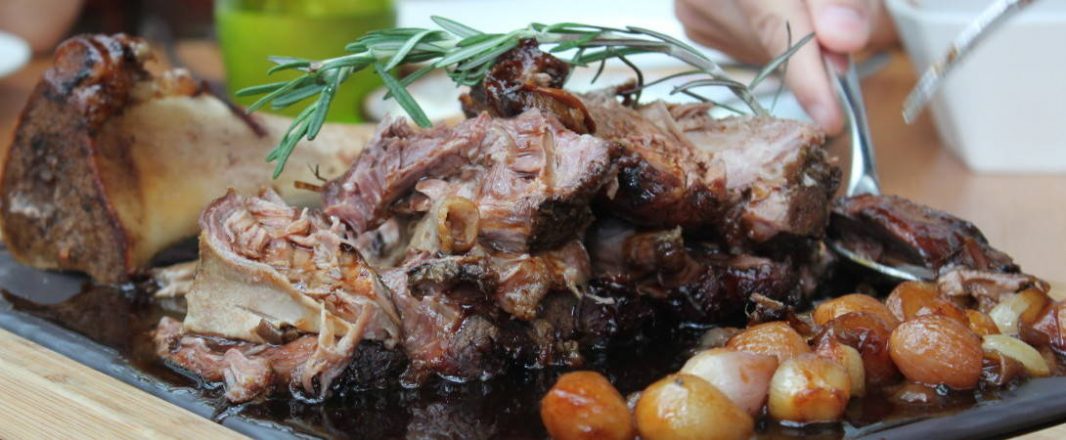
The joy of discovering local cuisine can be as glorious and as memorable as any isolated landscape or sundrenched beach. That travel and food go together like cheese and quince is indisputable. The pairing simply works: Priceline’s acquisition of OpenTable and TripAdvisor taking over Paris-based La Fourchette and Australian bookings site Dimmi is proof.
Arrif Ziaudeen, CEO and co-founder of restaurant reservations site Chope, agrees. Dining is part of discovering a new place and the travel industry, he says, is “dying to tap into our database,” where leisure spending is high.
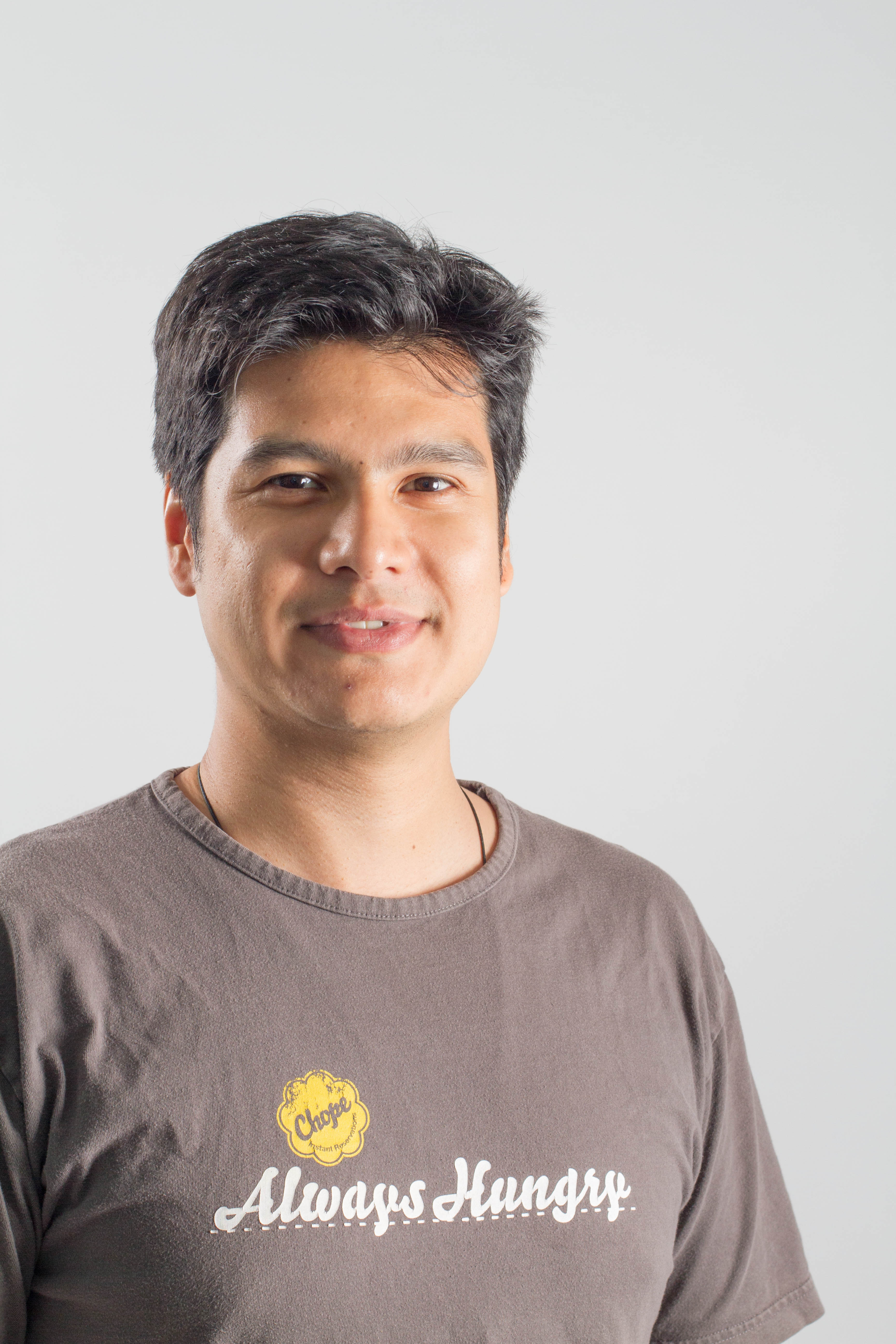
Arrif Ziaudeen
He is referring to the 20 million diners who have booked a meal through the start-up’s site or app since its inception in 2011. A partnership with TripAdvisor in Singapore is working well so far, and there are plans afoot to expand this regionally into an exclusive relationship.
When pressed on whether this would eventually lead to a takeover, Ziaudeen said TripAdvisor’s strategy in Asia appeared to be more organic than aggressive, but declined to be drawn into further speculation.
Chope’s value proposition for travellers is simple: why make a long-distance call when you can book online, at any time? More than a quarter of reservations through the Chope platform come in at a time when most restaurants are closed, between the hours of 10pm and 10am.
The site now lists restaurants in Singapore, Hong Kong, Shanghai, Beijing and Bangkok. All major tourist destinations, Ziaudeen notes, although bookings through the site come from a mix of local diners, expatriates and tourists. Chope is a network, he says, and you cannot have a network that extends as far as one city. “It has to be global, in one single place. That’s the direction I think it is going.”
Booking sites are consolidating, and Ziaudeen imagines that in the future, there will be “one, single global database for bookings for restaurants and hotels.” Within the world of restaurant reservations, this trend is picking up pace. The board of Chope is presented with acquisition opportunities monthly – just last year it acquired the popular queuing service, Ticktok.
To solidify its position in Asia, Chope has a few tough nuts to crack. Firstly, the notoriously difficult North Asian markets of South Korea and Japan. Adopting a partnership model, says Ziaudeen, is the easiest way to expand Chope’s reach into those markets. The second involves breaking long-held habits of customers phoning a restaurant to make dining reservations. Building awareness and content-led marketing to educate consumers is one of Chope’s biggest challenges, he admits.
The third, and possibly hardest, is supplier resistance. Often, the hallmark of a successful restaurateur is how ‘traditional’ they are. From furniture to cooking style, a sense of heritage is desirable in the restaurant trade, and some restaurateurs feel that having iPads doesn’t gel with this image, Ziaudeen explains. To counter this, Chope has found a solution to any restaurant’s biggest nightmare: the no-show diner. Users can purchase vouchers through Chope to dine at its top restaurants at a discounted price, a marketing gimmick that also happens to function as pre-payment for restaurants.
What Chope is trying to achieve in the dining scene is not unlike the digital revolution that changed the hotel industry more than a decade ago. Consumers are already conditioned to buying online so the restaurant bookings site is simply “riding a wave”, Ziaudeen said. It is an idea whose time has come, and nothing can stop it. He believes restaurants have much to learn from hotels in terms of service standards and ease of booking.
Reflecting on the changes in the restaurant industry since his stint as a waiter in 1998, Ziaudeen cites the widespread adoption of POS (point-of-sale) software in dining establishments, making pen and paper orders obsolete.
“10 years from now, even students won’t be writing on a piece of paper. It may not be us, (although we happen to the best position right now) but somebody is going to figure out how to displace the pen and paper for good.”
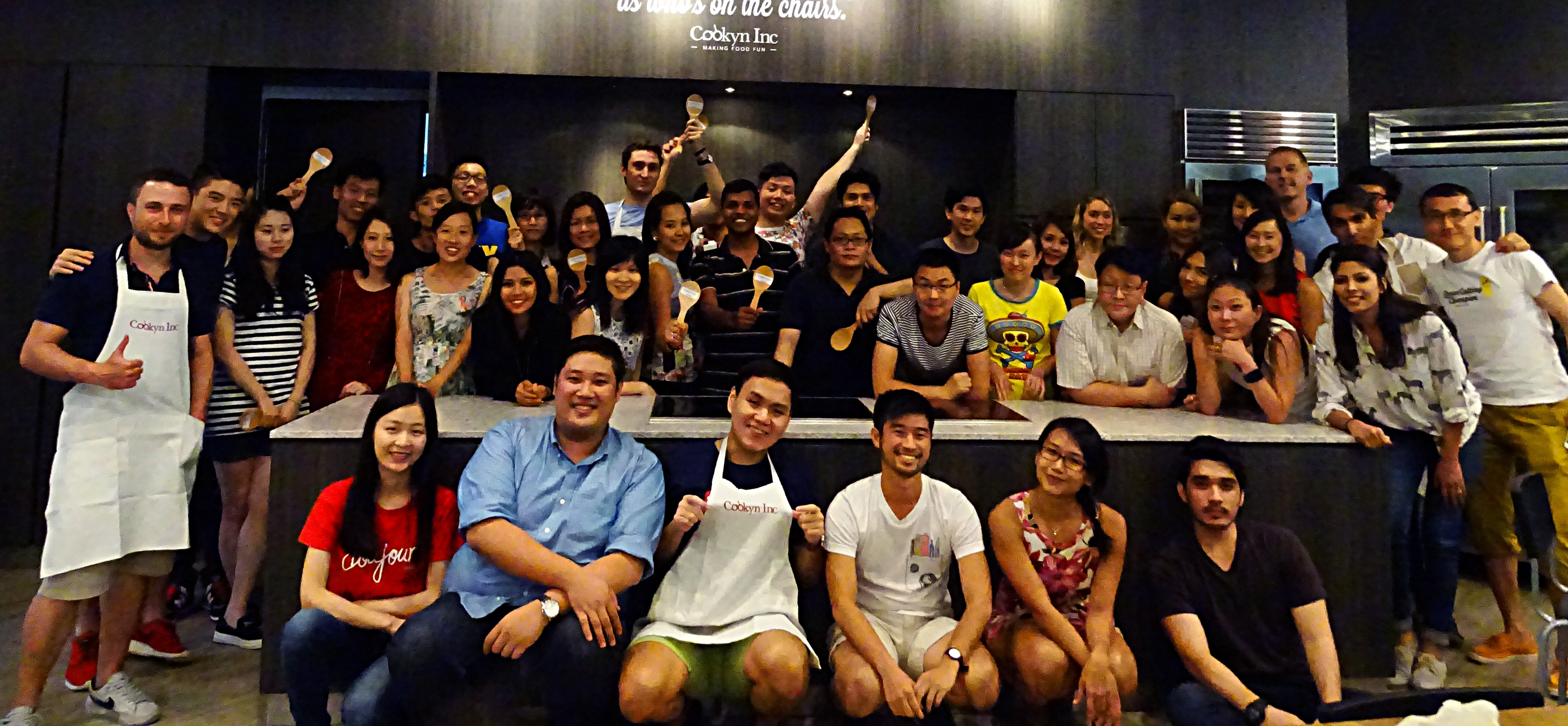
The Chope team: 50 staff across 5 countries