
Mobile travel bookings are on the rise and are predicted to increase by 22% in 2016, according to a report from Euromonitor (November 2015).
According to the 2016 Adyen Mobile Payments Index (MPI), 32% of global online transactions on Adyen’s payments platform were conducted via mobile in Q1 2016, as compared with 30% in Q3 2015.
Coupled with trends indicating that people are increasingly mobile-first, particularly in emerging markets, it reflects mobile as a highly effective gateway to consumers.
Despite this, the current share of mobile payments specifically for travel bookings remains quite low at just 15.5%. Accommodation transactions make up a 17% share of mobile payments, while airline transactions make up 13%.
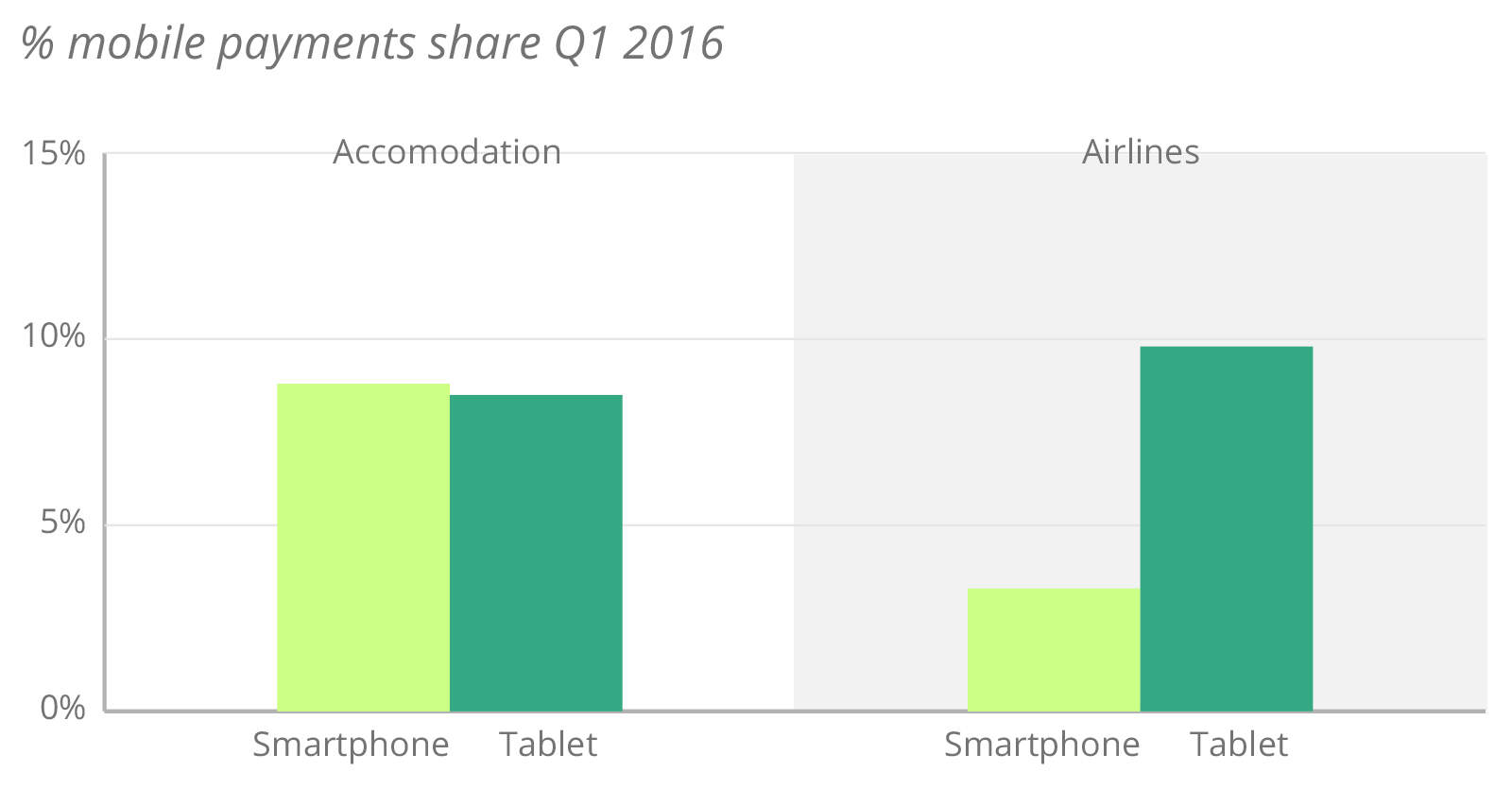
The proportionately low numbers of booking and flight-related purchases indicate that travel companies have room to grow if they are to capitalise on this opportunity.
“It’s an arms race to make your [mobile booking] experience the best it can be… the key to success is a great, seamless check out,” said Warren Hayashi, president of Ayden APAC.

Warren Hayashi, president of Adyen APAC
Booking.com, Hotel Tonight leading the way
In accommodation, MPI observes that companies like Booking.com and HotelTonight are leading with their mobile-first strategy via in-app and optimised mobile browser-based experience.
HotelTonight attributes its success to prioritising top rated hotels on its mobile browser, maximising efficiency by reducing the number of taps needed to complete transactions, and using location data to offer guests nearby deals.
Additionally, ‘personalising’ the booking experience has resulted in higher conversions.
For example, citizenM’s ability to recognise guests across different sales channels (removing the need to re-enter payment details) ensures that future bookings done from different locations or channels are as ‘frictionless’ as possible.
Hayashi also recommends that including more localised payment methods (e.g. AliPay or WePay) would help brands differentiate in various markets.
Hotels would therefore be well advised to advance their own mobile platforms with similar strategies in mind, to encourage guests to book direct and foster loyalty.
Proactive airlines seeing good results in transactions
While the proportion of mobile payments for airlines is low compared to global payments, those that have turned their attention to mobile strategy are growing the fastest, according to the MPI.
For example, Transavia’s investment in mobile optimisation (via a scalable website) has resulted in 20% of payments being conducted via mobile, which is 60% higher than the general airline average.
SAS Airlines has chosen to optimise its mobile payment strategy by storing preferred payment methods to enable an instant, one-click checkout experience.
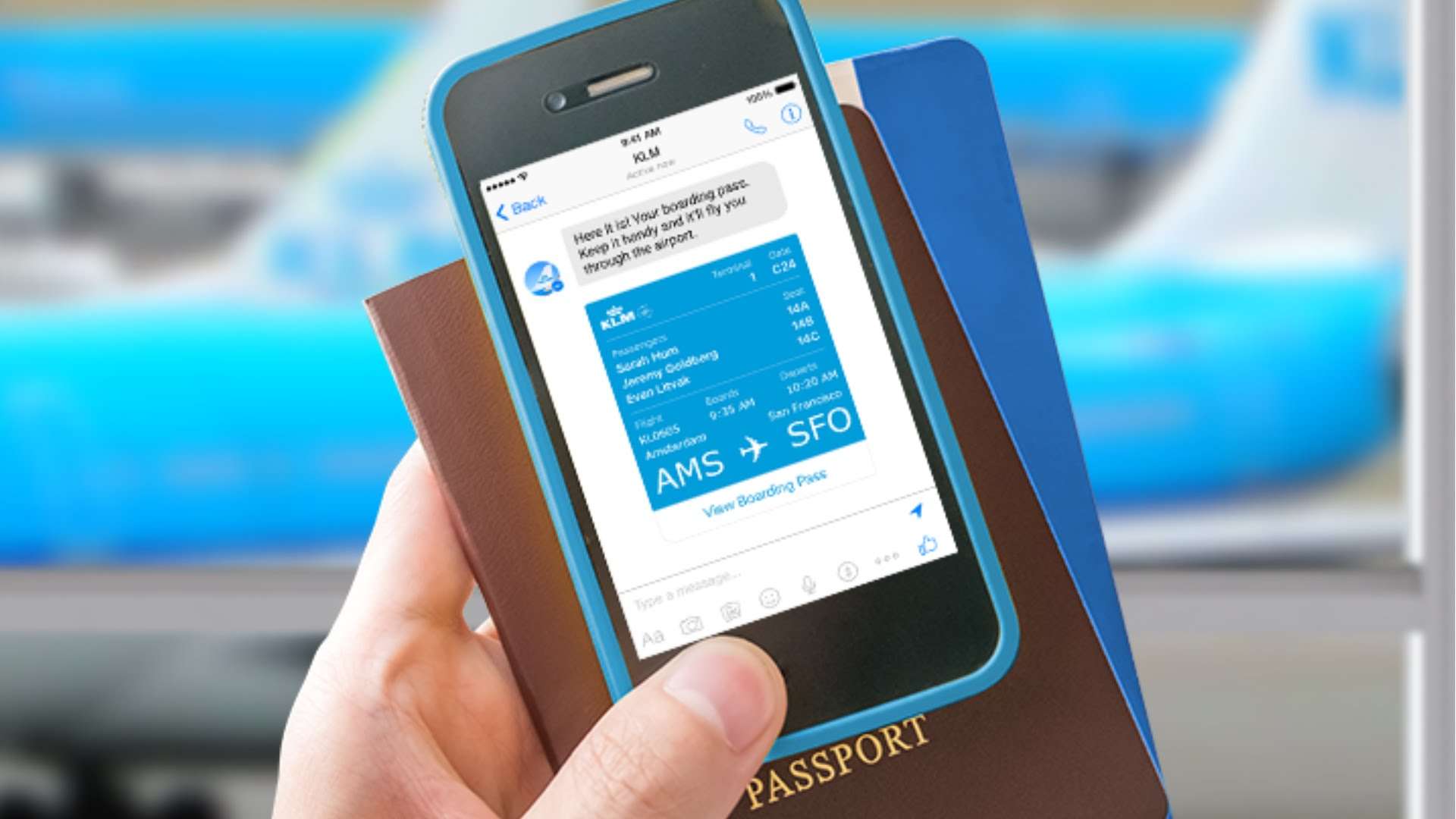
KLM are engaging with customers through social media channels like Twitter and Messenger
Vueling is also capitalising on the ‘one-touch’ transaction process by incorporating Apple Pay and Android Pay.
Brit Haarmans, senior product manager, Transavia, said that she would like to develop mobile payments to a stage where in-app payments can be conducted on board flights e.g. for food and drink.
Increasing customer engagement via mobile
Hayashi stated that making the checkout process as seamless as possible is only the start of truly embracing mobile.
The growth in mobile presents a wealth of opportunities for travel merchants to develop this ‘frictionless’ transaction experience and increase engagement with customers.
“When you look at travel… it is a high engagement purchase. [Companies] want to take that engagement and turn it into a repeat customer.”
KLM has been consistently used as a leading example in their efforts to increase engagement, particularly with the integration of payments through customer support via social media platforms like Twitter and Messenger.
Transavia has done similarly by launching WhatsApp as its primary customer service channel. It demonstrates that companies are experimenting across various platforms to see which has highest customer engagement.
Ultimately, companies must regard bookings not as a “purely transactional relationship”. The increased touch points made available through increasing mobile bookings are an opportunity to connect with customers more strongly and more often.