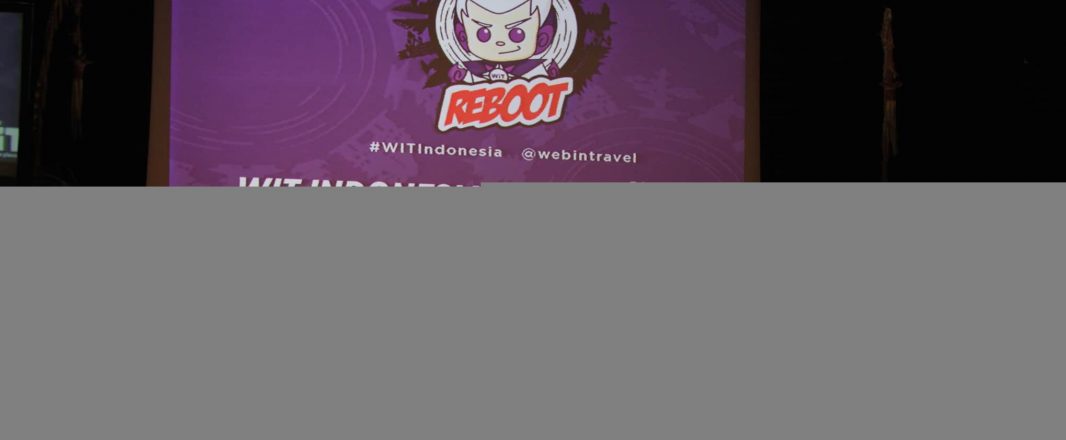
The fourth annual WIT Indonesia conference took place against the backdrop of turquoise skies and deep blue ocean at Grand Nikko Bali on April 28, 2016.
Key industry players geared up to “Reboot” and tackle the big issues like how to surf the wave of technology that pervades the industry (without being caught in the riptide), engaging consumers through mobile, the growing pains of the Indonesian travel market, and the potential for consolidation in the future.
Drawing on both travel research and views shared by industry panellists ranging from hoteliers to villa owners to start-ups, ten key lessons stood out in particular.
1) Customers don’t care how they book, look after them
The lover’s quarrel between hoteliers and digital companies grinds on as OTAs like Booking.com and Agoda continue to hold sway over distribution channels.
The arguments are not necessarily new – with hoteliers expressing continued concern over high customer acquisition costs and OTA consolidation, while digital players refute responsibility for any losses in customer loyalty.
However, there was a noticeable shift in attitude as Timothy Hughes (Agoda) reminded panellists that distribution should be regarded as a team sport, not a competition.
He concurred with Oliver Hua (Booking.com), who argued that hoteliers and OTAs are big and little fish co-existing in the same ecosystem. For each species to flourish in the travel market, they need to develop a symbiotic relationship wherein both sides can reap greater benefits in the marketplace.
Timothy went on to argue that ultimately, consumers do not necessarily see the difference in types of booking pathway, but base preferences on the seamlessness of the booking experience.
Hoteliers and OTAs alike must therefore focus less on which channels customers choose to book and more on how to improve their experience of the process.
2) Differentiation is (still) key to loyalty and direct distribution
Understanding consumer driven demand would show companies how their unique strengths could be used to create their own space in the travel marketplace, according to Alfan Hendro (Traveloka).
For example, Alfan attributes part of Traveloka’s success as Indonesia’s largest air and hotel booking site to its in-depth knowledge of Indonesia and the fundamental differences between segments of the Indonesian market.
In accommodation, Oliver Hua (Booking.com) warns that hotel consolidation poses a risk to differentiation, noting that hotels are becoming increasingly similar to each other and consumers are ‘tired of it’.
Oliver observed that high performers on Booking.com tend to offer particularly unique experiences to the consumer based on different geographies, such as ryokans in Japan or private villas in Bali. By delivering positive, memorable experiences, Oliver is optimistic that customers will keep that hotel in mind when booking in future.
It is critical advice for smaller, independent hotels that may struggle to compete against larger hotel groups. However, Jean-Luc Chretien (FASTBOOKING) quickly noted that this opportunity for differentiation would not go amiss amongst ‘big hotels’, to help them ‘emerge from the crowd’.
3) Hoteliers are not powerless when it comes to online distribution
Jack Tan (newly-appointed COO of Tune Hotels Group) argued for a need to find balance between OTA and traditional offline sales, highlighting it as mission critical to ‘get to a level playing field’ by improving the state of their own technology.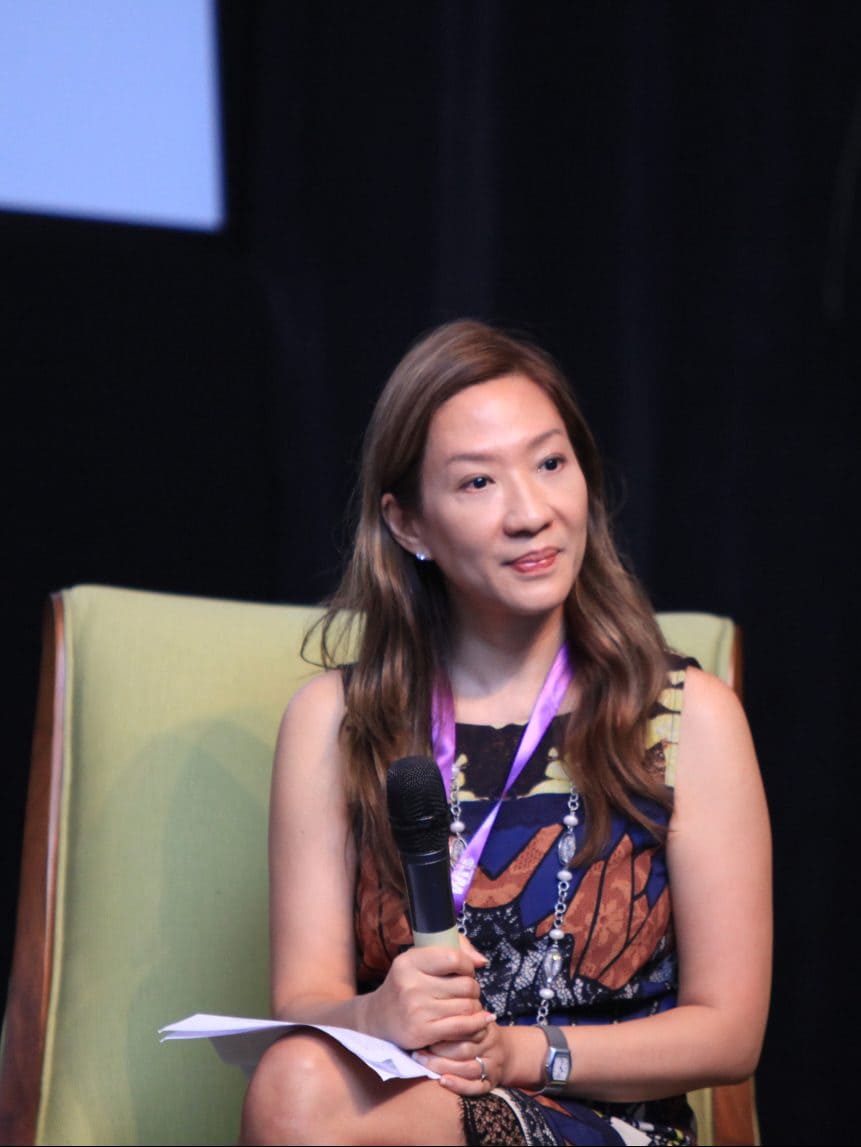
Christine Tan (FASTBOOKING) acknowledged that the reason OTAs get direct business is because consumers tend to conduct their travel research through these channels.
To overcome this, Christine suggests hoteliers must invest in developing and improving their (‘often poor’) websites. She also recommended ‘personalising’ websites, by offering consumers incentives to book direct, therefore encouraging loyalty.
Jack also stresses the importance of making the booking funnel as seamless as possible. He identified Tune Hotels’ ticketing system (which requires account registration before purchase) as one of the hurdles to improving conversion rates.
He estimated that improving the booking funnel results in up to 70% higher conversion than before. From there, hotels must build their marketing database with customer details (like e-mail addresses) so they can reach out to them directly in future.
4) Surprise, surprise, mobile is on the rise
Companies need to embrace the rising purchasing power on mobile as consumers are increasingly becoming mobile first (i.e. skipping desktop).
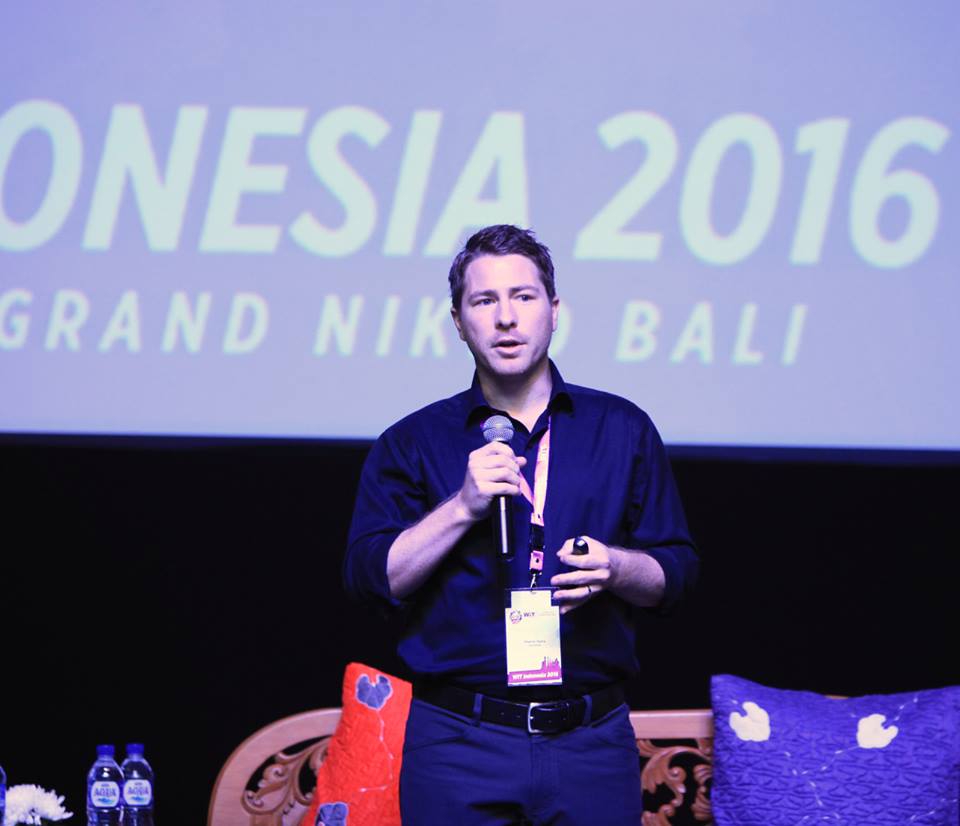 Coupled with data that suggests that the largest four messaging apps are cumulatively larger than the top four social media apps, it presents an opportunity for businesses to engage more directly with consumers.
Matthew Hulen (Facebook) recommends fostering a 1:1 conversation with customers. This can be done on a larger scale by developing bots to directly answer most frequently answered questions through channels such as Messenger or WhatsApp.
A successful example is KLM, which has integrated flight information updates, confirmation and boarding passes onto Messenger.
Matthew also noted that suppliers have a distinct advantage over OTAs and meta-searches as they can leverage first party data to target customers specifically and foster loyalty.
However, traditional e-mail marketing must evolve from EDMs to social media platforms where people spend up to 95% of their time (i.e. Facebook, Instagram).
Companies must also leverage this data to find people that resemble their ‘best customers’, to facilitate future acquisition as well.
5) In Indonesia, mobile is king
Even with 79 million people active on social media (31% of population) with 125% mobile penetration, Indonesia is still outranked by Thailand and the Philippines, said Rama Mamuaya (Dailysocial.id).
Nevertheless, Indonesian users are mobile first. 26% of people access their social media accounts through mobile and 96% use it to access news, superseding traditional media sources like desktops and television.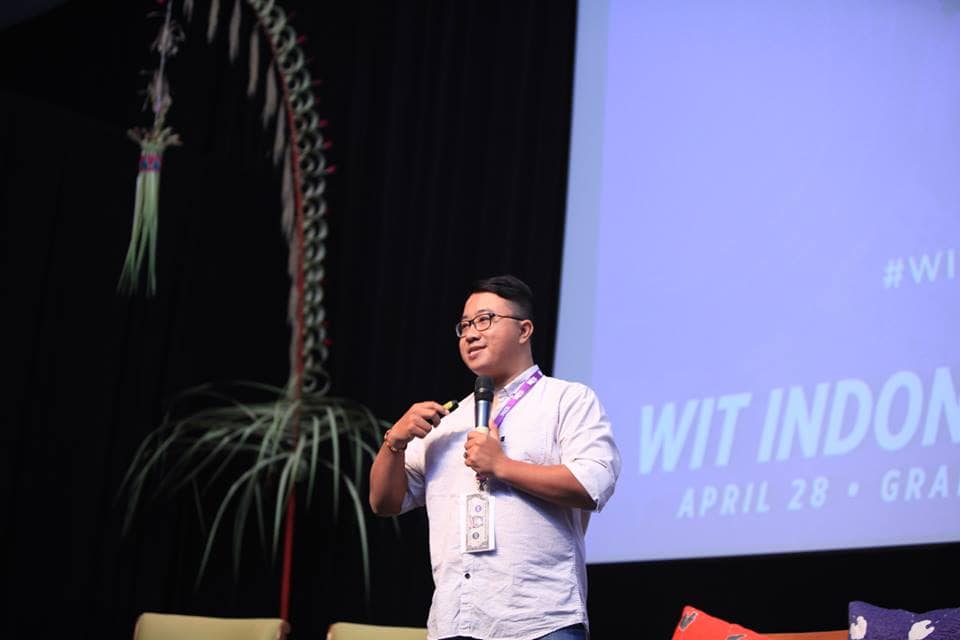
In travel, 27% use social media to look up travel and leisure related content, through Facebook, Twitter and blogs.
This appetite for travel related content is distributed well across socio-economic status and age too (specifically 18 to 42 years old), suggesting very little fragmentation. Women display a higher tendency to look for travel-related content compared to men.
Mobile has high potential as a gateway for companies to engage with Indonesian consumers. However, it won’t be as simple as creating your own app. A recent report cites that 16% of Indonesian users delete apps within a month as they do not use it often and believe it takes up too much space on their phone.
Companies should therefore not rely solely on using their own channels but develop mobile strategies to engage with customers through social media.