
While travel has always been regarded as a virtuous pursuit, it is not without its caveats. As travellers become more aware of their impact on the planet, consumer decisions have evolved into far more than simply finding the best price.
Unsurprisingly, the travel industry’s sense of ‘social responsibility’ has not exactly matured at the pace of the modern day traveller.
One company striving to kickstart the change is Greenview, a research firm geared towards evolving the travel and tourism space to become more socially responsible.
Founder and CEO, Eric Ricaurte believes getting companies to make the first step towards becoming more sustainable is arguably the biggest challenge. He believes that getting companies to recognise their impact relative to others within the industry might just be what gets industry players moving.
That is why Greenview has launched the ‘Green Lodging Survey’ this year. It aims to provide a report card and sustainability ranking among international companies in the hospitality space, so that hotel owners can see how they measure up against their peers.
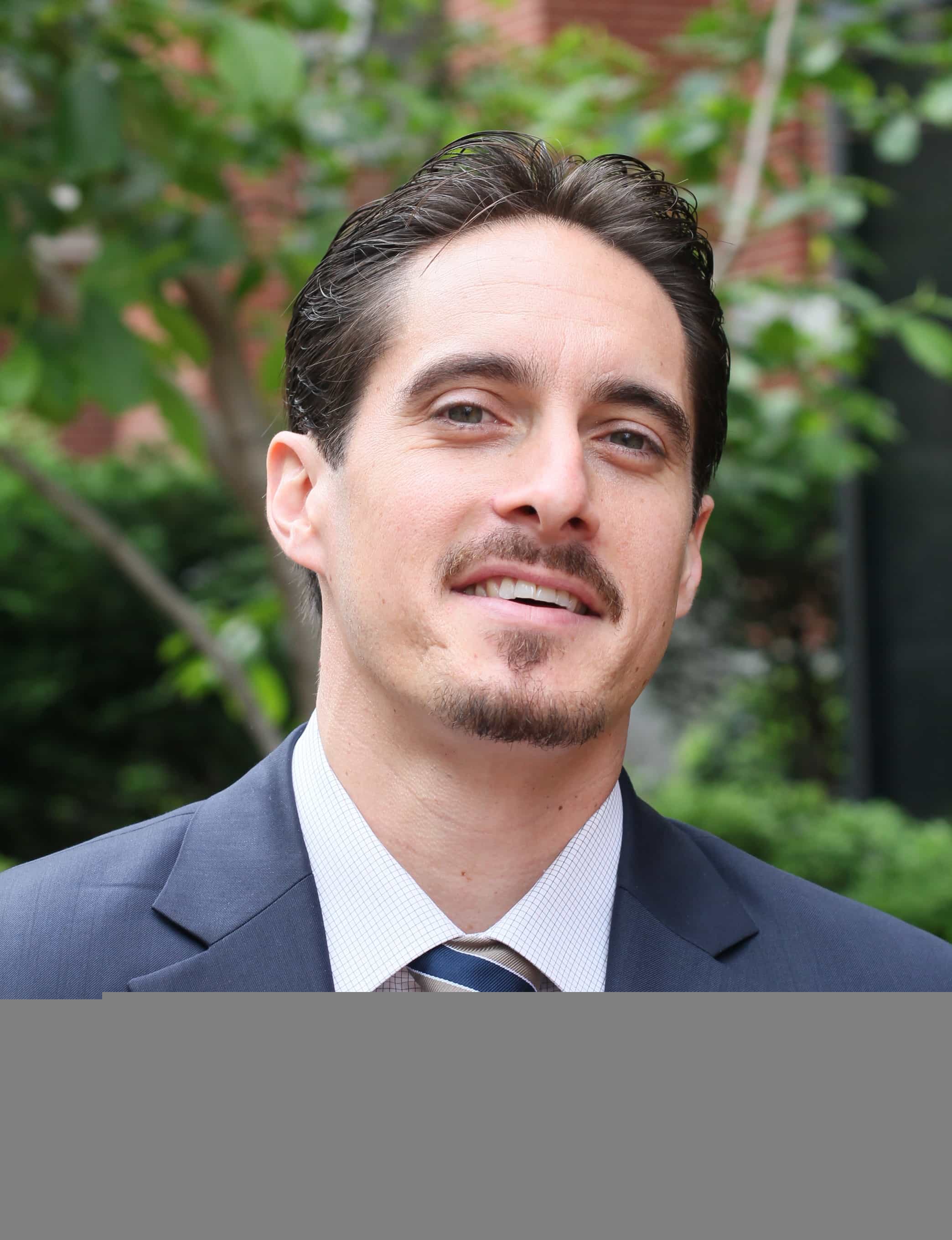
Founder and CEO Eric Ricaurte
“When you say you want to go green… traditionally, all you would do is go and look for certification. Then you’ve got this hundred [criteria], you’ve got to go through this process and it’s cumbersome,” said Ricaurte, “[which can] alienate people out of taking the first step.”
Instead, Greenview takes an alternative approach to past efforts to get companies to go green, by recontextualising how sustainability should be perceived in the industry. Currently, it advises multiple hotel companies, including Hyatt, Marriott, Wyndham and Mandarin Oriental.
The study relies on self-report data, which can be submitted until August 31, 2016 before the findings are later released this October. It gathers data on operational practices, facility attributes and outreach programmes that reduce emissions and conserve resources.
The complimentary survey taps into both the industry’s tendencies for conformity and competitiveness as Ricaurte hopes the survey will pique curiosities about how industry players rank against their peers.
But could hotels be hesitant to take part, for fear of finally having to confront the truth about their impact?
Absolutely, he says, “it’s like getting on the [weighing] scale after a big weekend… but the topic is so pressing now… but [Greenview] wants to make sure that the scale is as objective as possible.”
A SECOND HURDLE AND AN OPPORTUNITY
Cost and expenditure is the second stumbling block Ricaurte sees as a hindrance to sustainable hospitality. “We know that a lot of it is [about] saving money… but if you only look practice by practice, you’re missing the bigger picture of other types of benefits.”
For one, it presents a unique opportunity for innovation. “Our main message to go forward is to stop being a buzzkill and just talking about how cool or interesting sustainability can be… I think that’s going to drive it more than compliance [with any imposed regulations]” he explained.
An ‘eco-friendly’ sustainable hotel may have been an effective point of differentiation in the industry at some stage or other, but it must now be considered an integral part of any business.
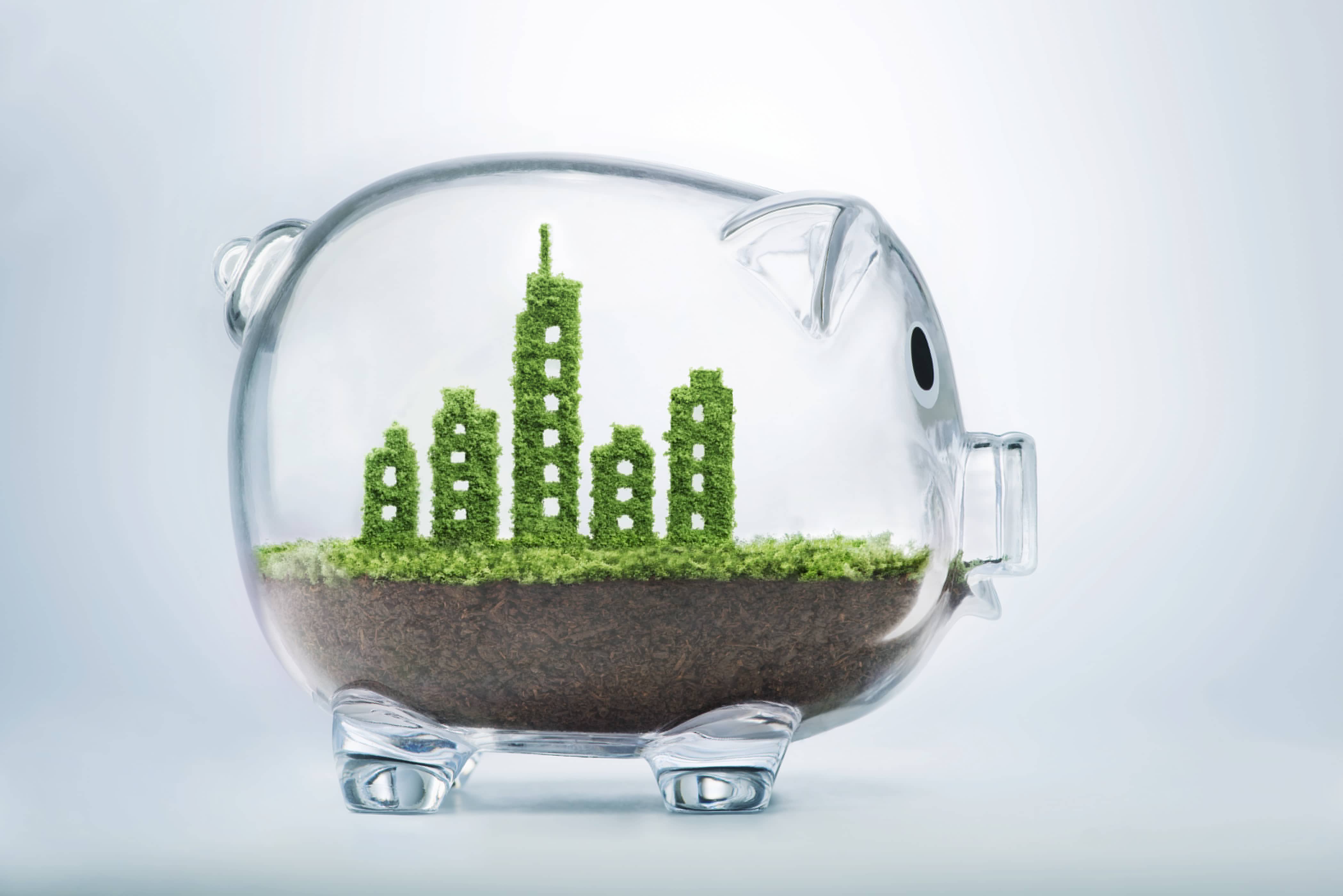
Credit: iStock
Hotels need to at least reach a base level of sustainability before they can experiment with other means of differentiation.
Then, companies are free to explore incorporating everything from rooftop gardens, beekeeping to soap donation and community outreach programmes.
Admittedly, it’s easier for industry players to wait for sustainable technology to arrive before doing anything, which Ricaurte stands staunchly against.
“Basically if we don’t solve these major problems in 20 years, we’re done. We have to accelerate.”
Greenview wants to be the ‘catalyst’, by motivating the industry to commit to cultivating sustainable technologies and make them accessible to all. Investing time and resources into developing new ‘green’ technologies at a faster rate would make sustainability practices become mainstream far sooner.
THE GREEN TRAP
However it is all too easy to ‘hop on the bandwagon’ and follow any practice deemed the ‘latest sustainable trend’, without giving any critical thought as to whether it is actually effective.
Ricaurte argues that one of the most frustratingly common instances of ‘greenwashing’ (a false perception of sustainability) is the “linen and towel reuse programme” wherein guests can opt out of having their towels and linens changed after every use.
“That is the biggest failure of the hotel industry in terms of sustainability,” said Ricaurte, “guests give up a level of service… and you don’t get any actual [environmental] benefit from it”.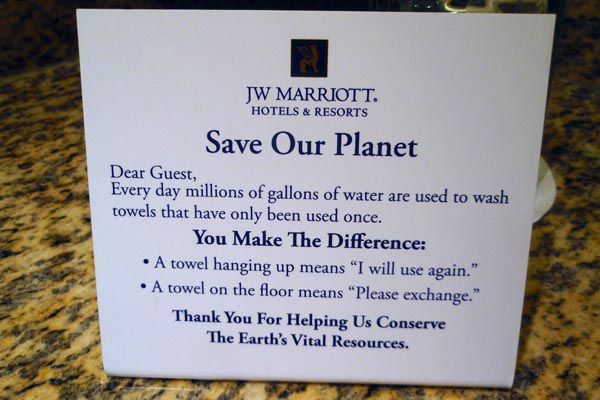
Nevertheless, hotels conform to the practice for fear of being singled out as not making an effort.
“If hotels [are just following the trend], they don’t actually know how they’re affecting the guest perception of their own programme.”
So how can hotels stop themselves from blindly copying ineffective strategies?
Hotels should consider hiring an advisor or assembling a ‘green team’ that can meet frequently and evaluate the hotel’s sustainability policies. They must be aware of what is trending and be able to find the data to back it up.
He also recommends hiring an expert advisor or consult outside resources to figure out how to implement policies most effectively – a service that Greenview itself, provides.
A COMPROMISE ON GUEST EXPERIENCE?
Arguably, another significant challenge lies in the apparent dichotomy between being sustainable and being able to provide a certain level of luxury that a particular tier of affluent traveller may demand.
After all, if guests truly do come first, why should they compromise their stay for the sake of an important cause?
Ricaurte disagreed with this notion, arguing that sustainability and luxury are not mutually exclusive at all. Instead he stated that travellers should rather come to expect that hotels would carry the burden of ensuring they are sustainable, so that they can enjoy their stay with a clear conscience.
He concedes that the industry has not yet reached this stage as many are still in experimental stages, but that it will hopefully be where the luxury travel sector will go.
The trick to winning customers’ hearts, Ricaurte says, is to always ensure that guests feel good and safe in knowing they are making a genuine positive impact as a result of choosing to stay at a specific hotel.
For example, while incentives can be used to nudge customers in the right direction (e.g. offering membership points for opting into particular schemes), they should be reminded of exactly how their efforts are making a difference, e.g. “how hotel products are helping local communities”.
“There are all kinds of better messaging and better ways to make people feel like they’re doing a positive thing.” He cites other examples that could be used, like planting trees or more direct community initiatives.
After all, there are already tacit societal pressures for individuals to align themselves with social and environmental initiatives. Assuring customers they have made a responsible choice when staying in a hotel will surely garner support.