The advent of the digital age has brought disruption to many businesses, but Michael Issenberg (chairman and CEO of Accor Asia Pacific) prefers to view this mega trend in a much more positive light.
“I like to use a different word – ‘enabler’ as opposed to ‘disruption’. It is important to view digital as an enabler,” he answered.
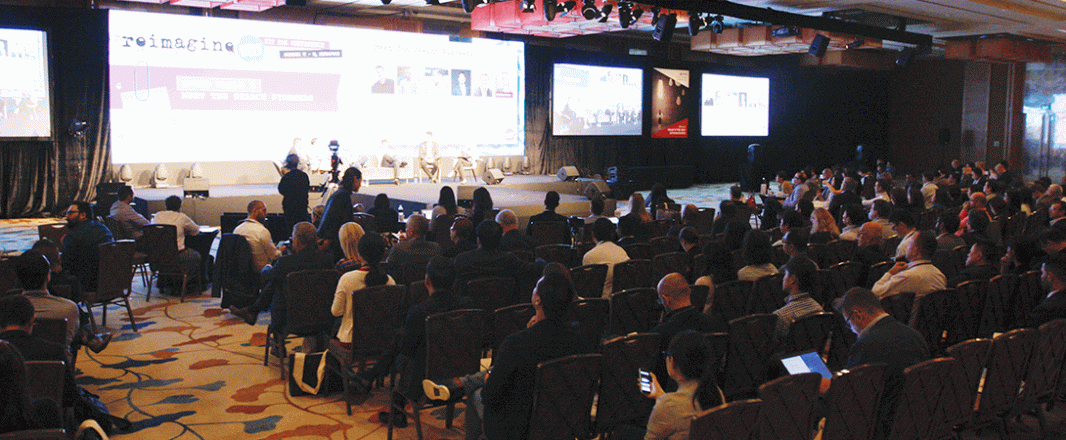
Speaking at the opening of WIT Conference 2016 in Singapore, he recalled the early days when video conference was introduced. People opposed its usage claiming it would be terrible for travel, as they did not need to meet up physically anymore.
“In fact, it was exactly the opposite. Digital has made life more global, and it enables people to be in touch all over the world. While we can do things technologically and digitally, nothing replaces face-to-face meetings. What it has done is create more travel, and it is great for our business.
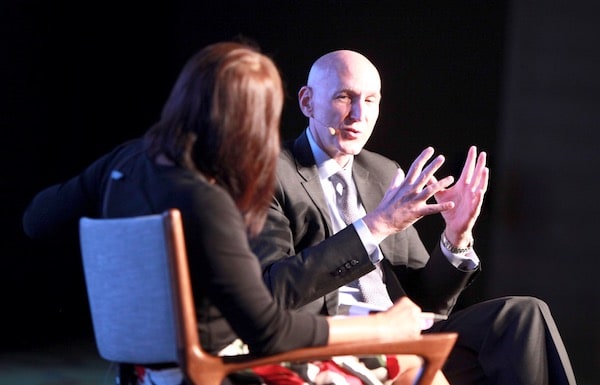
Mochael Issenberg: Digital has made life more global.
Accor has launched Marketplace, and bought numerous companies that included FASTBOOKING, Oasis Collections, onefinestay, Square Break and Fairmont Raffles Hotels International (FRHI).
On how all these purchases could come together and if the hotel management model that gave birth to Accor was broken, Issenberg replied that it was not broken but changing.
“Change is important as it enables one to look at different ways to do things. Only traditional companies are afraid to change.”
On triggers that make for successful transformation: “Transformation comes from the top. If a leader cannot embrace change, then the team cannot embrace change. One of the jobs as a leader is to keep on the right track and embrace change.”
His advice to global companies that want to crack Asia?
“If you come with an Asian strategy you won’t be successful, as every country in the region is different. Singapore is nothing like Indonesia even though we’re neighbours. China is now its own market. You need to have a strategy per country. Our success 15 years ago was the launch of Texture of Asia.”
Be prepared to lose money. “We set up offices in Jakarta, Delhi, Bangkok, Shanghai, Singapore, Seoul, Sydney, Hong Kong. It cost money definitely, but we had support in the early days.”