What a dream it would be, to unravel the complex, multi-layered decision processes that shape how and where investors devote their attention and, more importantly, funds.
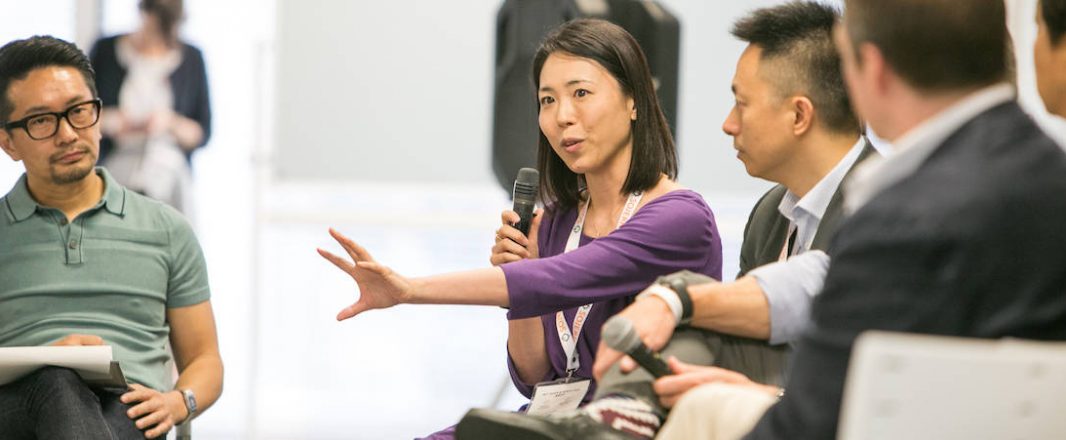
At WIT Japan & North Asia 2017 Bootcamp, five investors shared their observations on the state of startups in Asia, key lessons from their own careers and common mistakes startups make when building a company.
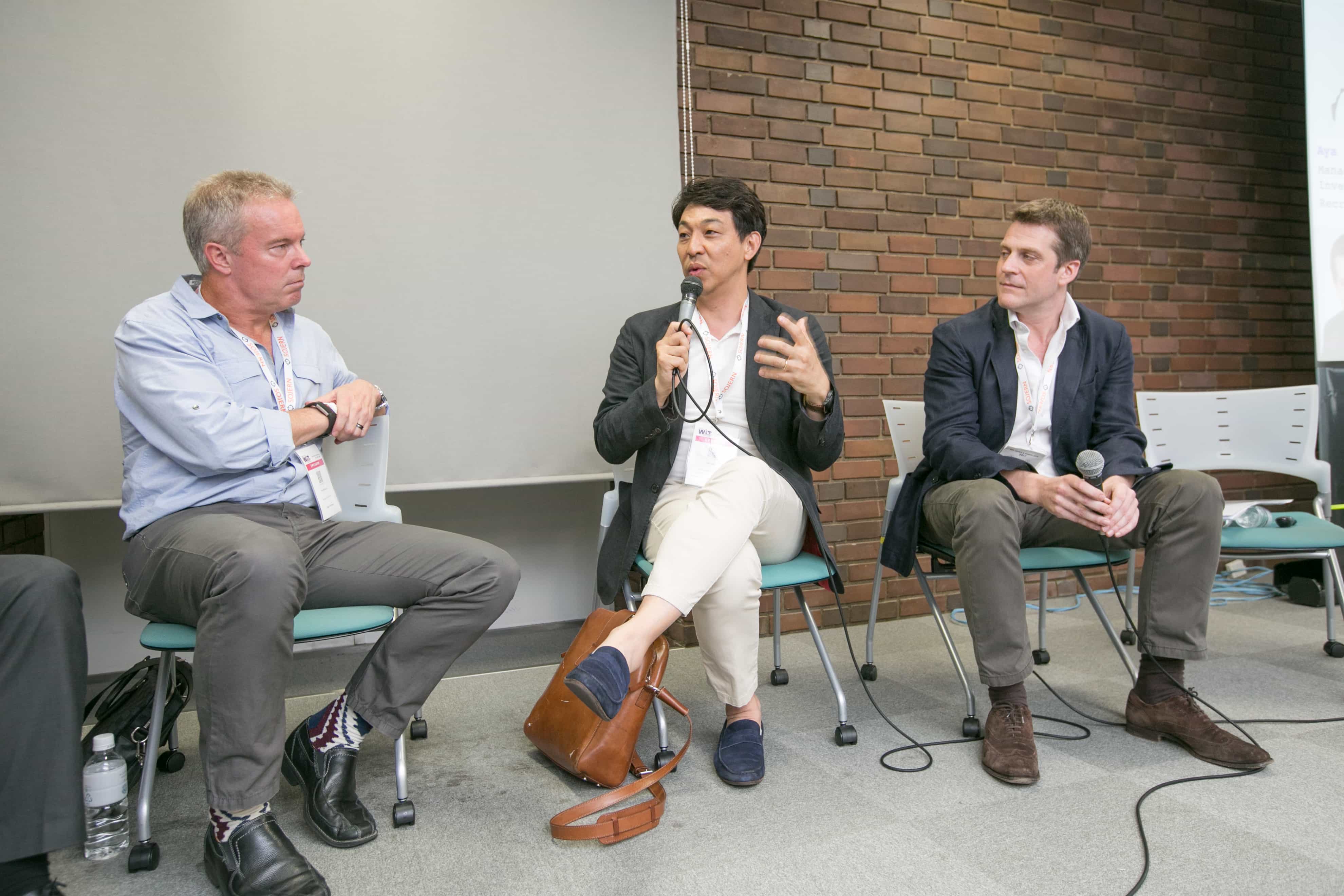
An investor’s early career will often shape their perspective on the startup world. The experience can shape individual outlooks on innovation, failure and the importance of making a personal impact – lessons that Ted Cho (Principal Entrepreneur, Skelter Labs) believes are best sought out through experience in larger, more established companies.
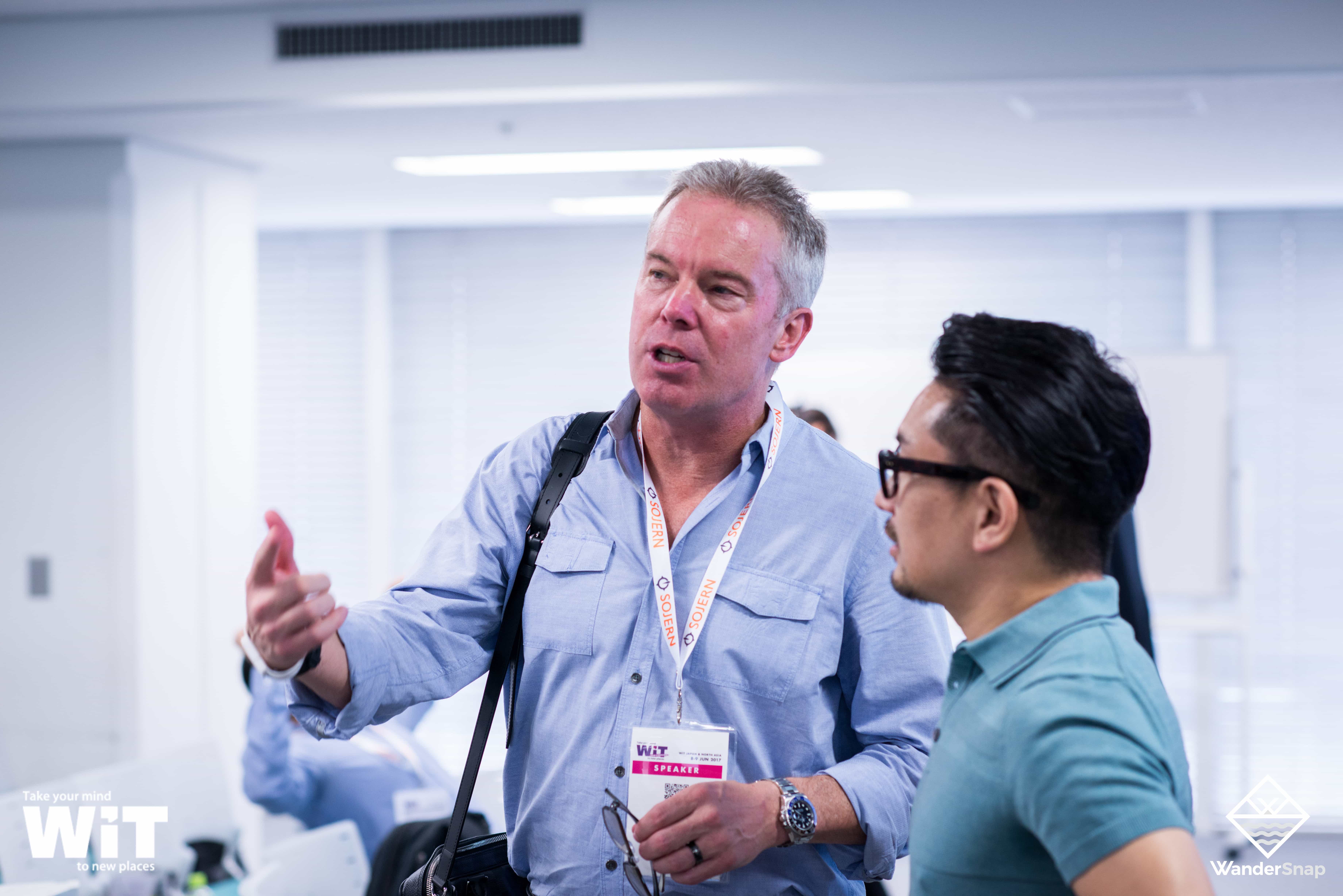
Building your early career experience in established tech giants if possible, is important, said Cho. It will expose you to types of working culture you may one day aspire to channel into your own. Not only that, it will show you more about the importance of keeping innovation alive in the workplace.
Learn from the best, then set off on your own path
Cho for example, held a position as site director for Google in Korea and drew tremendous benefit from embracing the values upon which the company is run.
“Google is fuelled by innovation… most people forget that, they don’t emphasise it enough.” Though he eventually opted to leave Google, Cho emphasised that it was not because it placed any restraint on his potential but because he felt he could not achieve the personal impact on the company he wanted. “I left Google because the innovations that I could make are so little in their perspective.”
Cho believed that his ideas, though credible, couldn’t create the degree of impact on the company that he would have wanted it to have. Even if he could design and execute an idea that would drag $100m in annual revenue – an incredible amount to any self-made entrepreneur – it’d have been mere peanuts to a company of Google’s magnitude.
Nevertheless, Cho praised a key part of Google’s corporate culture that he feels many other businesses take for granted. “They don’t penalise, but celebrate failure.
“I’ve seen so many startups, after they get funded, worry that their investors will get mad. So, they work on revenue, revenue, revenue, instead of innovation. That’s a big mistake in my opinion for a tech startup. They have to try these new things and the one that sticks is going to make you rich.
“That’s the kind of mentality I see in startups and I really think that Google, more than any company in the world, does it better.
“You learn that, then you take that experience and you build your own Google. The other way round is much more difficult, I think.”
“We’re not mean, we want you to succeed”
Constantly striving to innovate would embolden the startup mentality of thinking and dreaming big, to pursue ever more ambitious goals instead of the ubiquitous dollar sign.
Perhaps this weakness comes down to (occasionally false) perception of investors as money-focused sharks, eager to snap up the next billion-dollar idea first. The panel was quick to dismantle this notion, with Simon Akeroyd (VP Corporate Strategy and Business Development, Amadeus Asia Pacific) reminding startups in the room that, “we’re not mean, we want you to succeed.”
Tacking onto that, Phil Wickham (co-founder, Sozo Ventures) added that “the best investors are in service of entrepreneurs” – a statement that perhaps startups, VCs and angels alike would find value in being reminded of.
Nevertheless, they advised that key areas for Asian startups to improve upon are: professionalism, illustrating their vision, narrative and being clear about the pain point they want to solve.
“Think big, funds will come but could American investors miss the boat?”
Working on these weaknesses could bolster the Asian start-up scene and encourage greater investment by global rather than just regional players – something that Wickham believes has plenty of room for development.
“A trap that many young entrepreneurs fall into is that they get a little too tactical and technical. Problem-solving is easy but the harder part is… imagining the big narrative and structuring your pitch around not what’s happening technically today, but how big and magnificent this company is going to become,” said Wickham.
He added, “I think as this part of the world becomes more mature, the money will come. The question is: will Americans be too late? We’re not very international and we very much could miss that boat.”
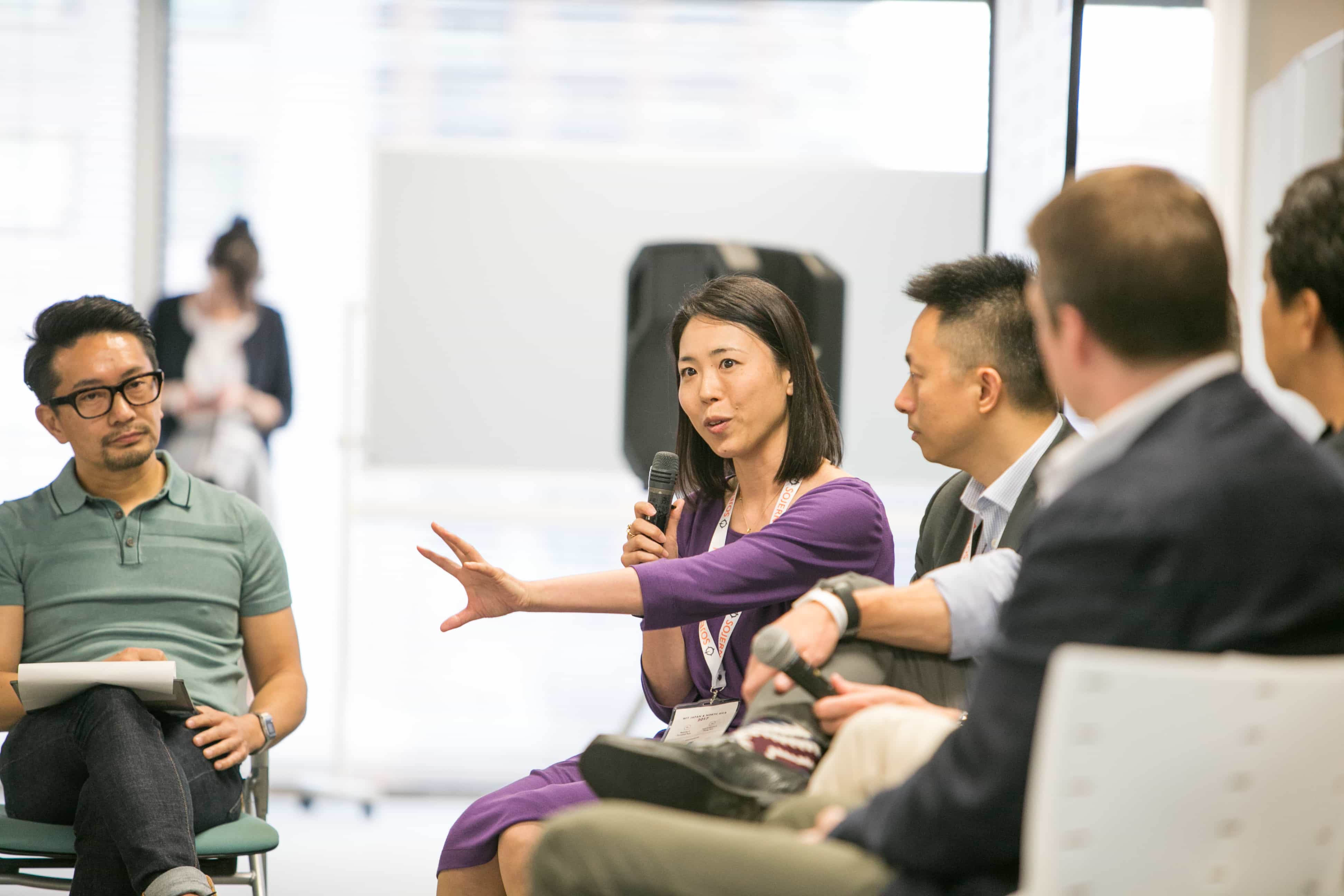
Yet, dreaming big also has its limits. Aya Yamato (Manager, Travel Investment, Recruit), whose company’s recent investments include Mystifly and TrustYou, brought it down to earth when she jested that “I wished they wouldn’t dream so big”.
Asked whether Japanese startups perhaps lacked the hunger so closely associated with Silicon Valley startups, Yamato remarked “when I go to San Francisco and I go through [start-up] projections, they think a little bit too much” and when their ambitions doesn’t materialise, they are surprised.
It is a critical lesson in ensuring that regardless of how exciting, fresh and new an idea can be, keeping a measured and level-headed perspective on growth projections is a far better strategy than to ‘over-promise and under-deliver’. To think ‘too big’ is to risk losing your grip on the practicalities of what it will take to reach that goal.