Inching ever closer to creating frictionless travel, communications and IT solutions provider SITA was present at the Future Travel Experience Asia 2017 (FTE) to exhibit their latest engineering developments in airport technology.
Last year, SITA introduced ‘Leo’, an autonomous, self-propelled luggage vehicle that would quite literally take the weight off your shoulders by acting as an automated baggage drop on arrival at an airport.
This year, SITA introduced Leo’s far more svelte relative, Kate – a roaming self check-in kiosk. Simple in physical design, (standing at approximately 4 feet tall, with a single touchscreen interface and document scanner), relatively small size and intelligent guidance system (using motion sensors to navigate through crowded spaces), Kate robots can be programmed and deployed within airports quickly and easily.
Together, Kate and Leo (no affiliation with their namesake Hollywood celebrities, I am assured) represent another step towards easing the airport travel experience from both an operational and customer service standpoint.
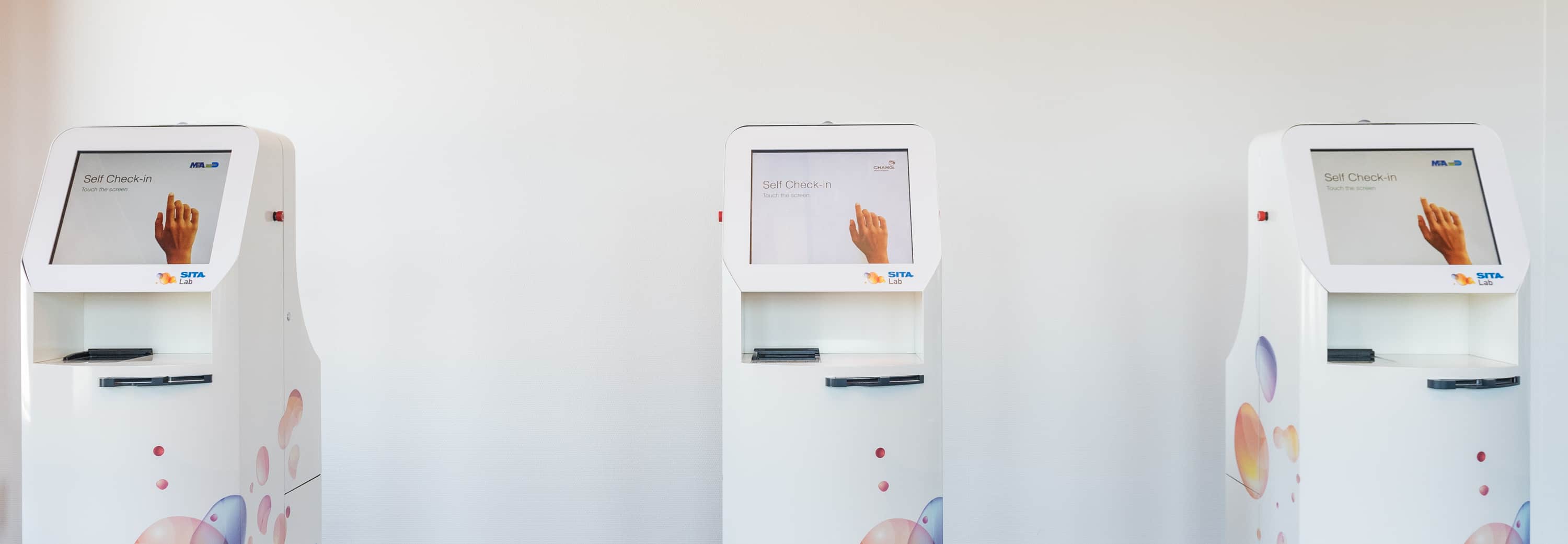
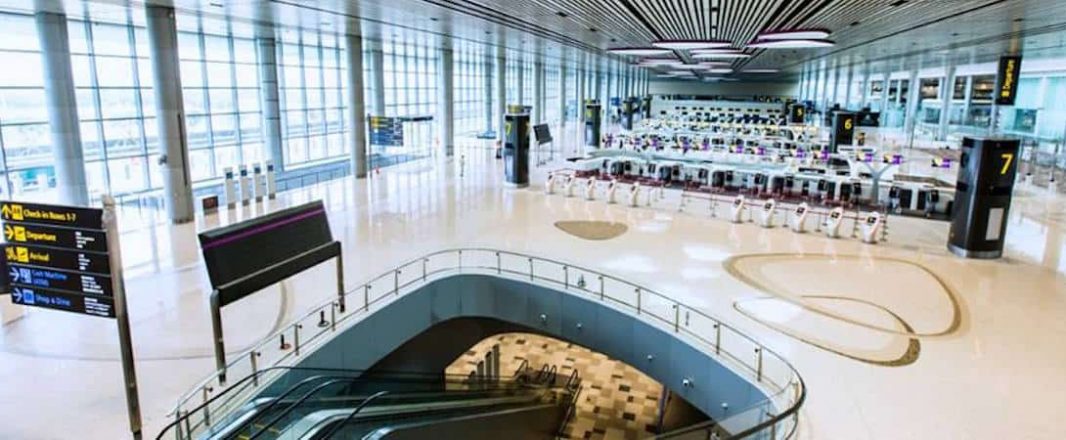
Gone are the days of impatiently queuing at the only open check-in desk before a flight (while the rest of the row remains closed). Instead, travellers are almost greeted by these automated kiosks that can process their bookings and handle luggage efficiently, shaving minutes off pre-boarding procedures. It approaches an age of far more self-service oriented travel experience.
Adopting these technologies will be a natural consequence of the steep anticipated rise of travellers in Asia over the coming years. Sumesh Patel (President, SITA Asia Pacific) stated, “Asia will have the fastest growth in passenger numbers over the next 20 years… 50% of that growth will be APAC, so when that happens it will put a lot of stress on the airports… which will force them to upgrade their technology.”
“By 2020, 29% of the airports and 25% of the airlines will have this equipment… so it’s just a matter of time.”
On the operations side, introducing more automated technologies would free up the hands of airport employees who can then handle more complex and nuanced tasks. “There are resource constraints. They will be able to re-deploy and reallocate their resources rather than occupy them with the basic stuff,” said Patel.
Farther down the line, SITA plans to integrate Smart Path – a system that captures an individual’s facial biometrics and matches it with their passport to create a ‘single identification token’ – into airport infrastructure too. This would eliminate the need for travellers to constantly verify their identity at every step of their journey. It can also be easily integrated with government systems and databases, allowing for automated immigration and border checks.
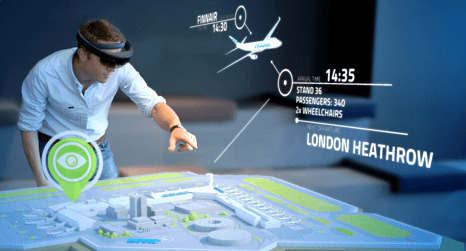
“Then, after you check in, you don’t need your passport” but you will be recognised by your face instead. “This reduces about 70% of your stress at the airport,” said Patel.
The long-term vision, according to one SITA Labs engineer who was also present at FTE is to create a ‘walk through’ experience from check-in to the aircraft door, then eventually through the destination airport too.
While this objective would require international cooperation (considering issues surrounding diplomatic relations and data constraints), SITA is looking into technologies like blockchain, which might be able to sidestep those complexities.