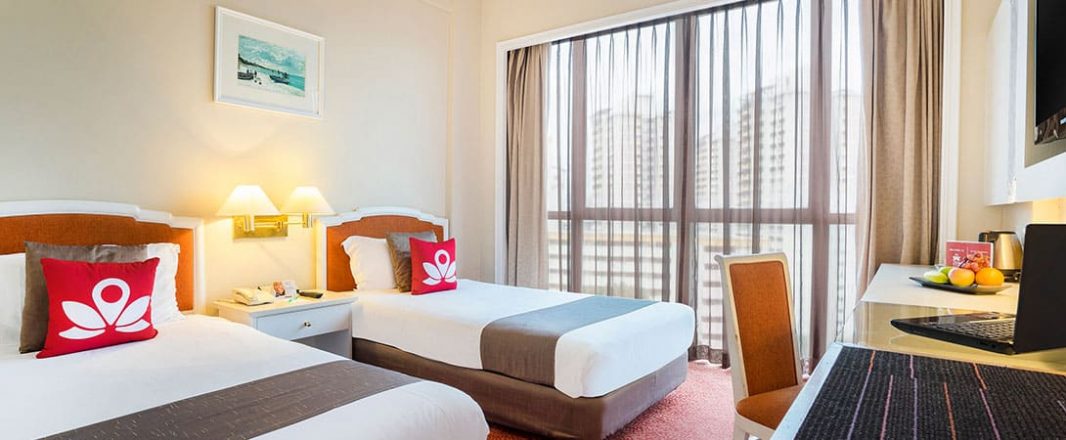
Fresh from its US$15 million investment round by Korea’s Yanolja, ZEN Rooms, which started in 2015 with a partial inventory model, and moved to a franchise/revenue management model early last year, is progressing to leasing and operating its own hotels.
Shohita Choudhry, country manager, Singapore, called this a “natural evolution” in its plans to build out its value proposition to the budget hotel segment. “What we want to do is focus on quality and that direction can only happen when you are running your own hotels.”
It currently operates 10 hotels in the Philippines, about four to five leased in Malaysia, and one leased hotel in Singapore, with plans to grow the Singapore number to 30 by fourth quarter 2019.
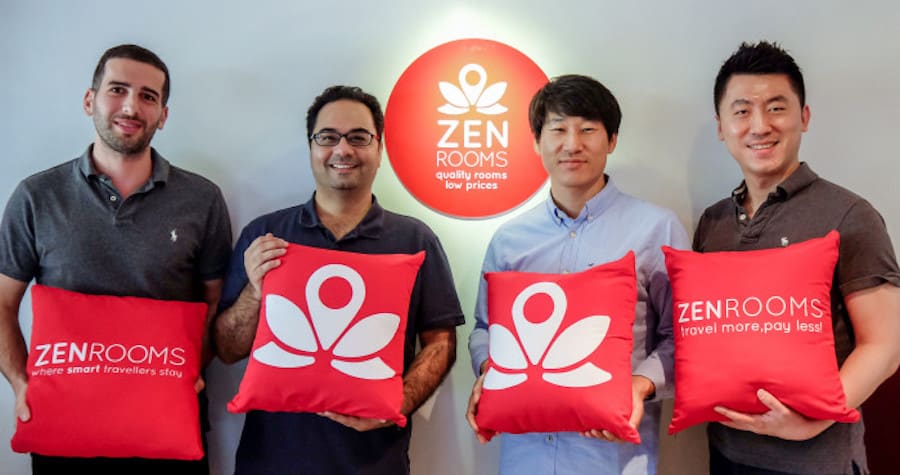
Korea’s Yanolja invests US$15 million in ZEN Rooms.
ZEN Rooms launched its model with partial inventory distribution and marketing for independent hotels in Indonesia and then expanded to the Philippines, Malaysia and Singapore.
Asked how it intended to be different from hotel management companies such as Accor, which has its budget brands like Ibis, Choudhry said, “With Ibis, in some cases, they own the assets. We don’t own, but add value to the small mom-and-pop properties by distributing them on the ZEN platform as well as operating on our PMS systems. We build tech-friendly products and tools and we believe our tech and marketplace-combined play sets us apart and is where the future is.”
One of the earlier entrants to bring the OYO-inspired model to the budget hotel sector in Southeast Asia, Choudhry, who joined in 2016, said it was challenging in the beginning to introduce the concept to the market. “Small hotels were married to their brand and were not really focused on customer satisfaction. Employees had been there for ages, were not tech-savvy. It was a question of changing their mindset.”

Shohita Choudhry: Restructured markets and focused on more profitable, important markets.
Since then, competition has intensified with other similar models entering the Southeast Asian market. Some have disappeared, some have evolved. RedDoorz, for example, also moved to a leasing model opening and operating its own properties in a sign that a pure distribution play is challenging.
Choudhry downplayed market rumours that ZEN Rooms was struggling and that the Yanolja investment was a rescue deal. The Korean operator, which is “evolving into a global REST (Rest, Entertain, Stay and Travel) platform company”, has the option to buy 100% of ZEN Rooms under the investment deal.
“We got strong support from Rocket Internet, and restructured our markets and focused on more profitable, important markets. This is not a zero sum game – it is a question of which operators can add the best value. The investment by Yanolja strings our existing tech platform and customer base with theirs, and we are now working together using IoT to build and operate smart hotels in the budget value for money segment.”
With a global team of 200, and headquartered in Singapore, it has a data science team in Singapore and the Philippines and has opened a new tech centre in Vietnam. Customer support is run out of Indonesia and the Philippines.
Expanding its leased portfolio in Singapore is a challenge even though there is a lack of supply in the budget hotel segment, she said. “In the Philippines, apartments are doing well. We can’t do this in Singapore because they are not value for money. We are working with close to 60 hotels in Singapore.”
• All images credit: ZEN Rooms