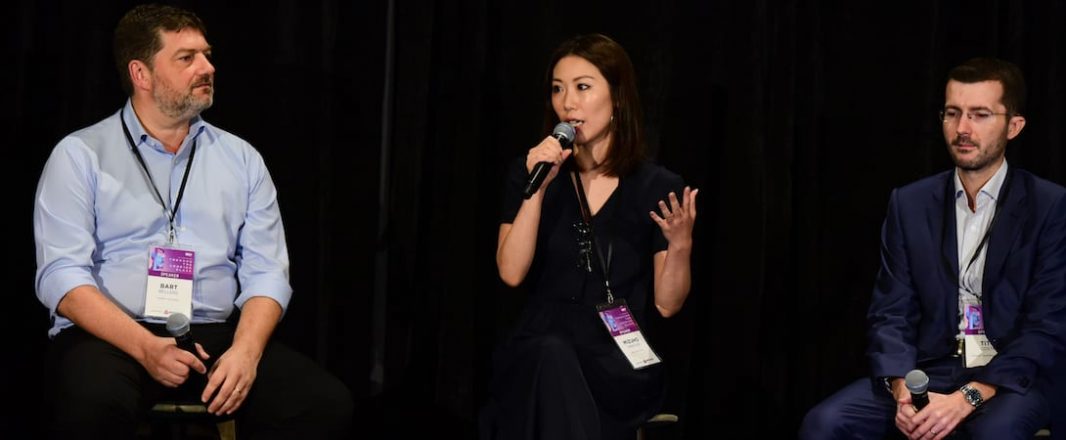
The WiT Bootcamp has always been a day focused on the rising stars in travel – innovative startups share their quirky ideas, and the day acts as an open platform for discussing where potential avenues for growth lie in the industry, and who is best equipped to embrace it.
On the other side of the coin, investors are also always keen to share their perspectives on how they assess how travel startups performing and what they really look for in a business, when investing.
At this year’s WiT Bootcamp 2018, what was immediately made clear was that every investor has a very unique approach to how they evaluate businesses, and under what circumstances they’d be willing to pour capital into an idea.
Bart Bellers for one runs Xpdite Ventures, a travel-focused fund that launched earlier this year. The company aims to be a hybrid between a classic VC and ‘startup studio’, helping early stage startups get more secure footing. His reason behind it: “venture capital is a lot about money but the [travel] industry is quite complex, you need connections to the big incumbents.”
Xpdite Ventures is currently dealing with a test amount of $10 million, but Bellers says this is not a closed fund. However, since its launch he has noticed that far too many startups are focused on the top of the travel funnel, which is why they haven’t made any funding decisions just yet.
Tito Costa (Principal, Global Founders Capital) on the other hand, handles a $1 billion fund that operates across sectors and stages of development. Costa described Global Founders Capital as a “life cycle investor” that prefers to invest as early as possible.
It has been respectably active in travel, investing in Trivago, Skyscanner and Traveloka in their early days. What catches the fund’s attention, said Costa, is always what new market segments or customer needs are coming next, and which businesses are attempting to tackle it. It has no focus on regions but instead takes the philosophy of “if we believe in the founder and see the opportunity, then we would pour the capital in.”
Mizuho Hiraguri (Corporate Development, Recruit Holdings) said that the focus for Recruit is to cultivate its B2B portfolio, with the majority of its current investments typically being on the B2B side. Hiraguri said that its key interest areas for investment are in areas where Recruit is currently weak.
“We’re focused on startups with big potential to expand internationally and help us expand… B2C is a weak point for us. We’d love to look for those startups, to learn from them,” said Hiraguri.
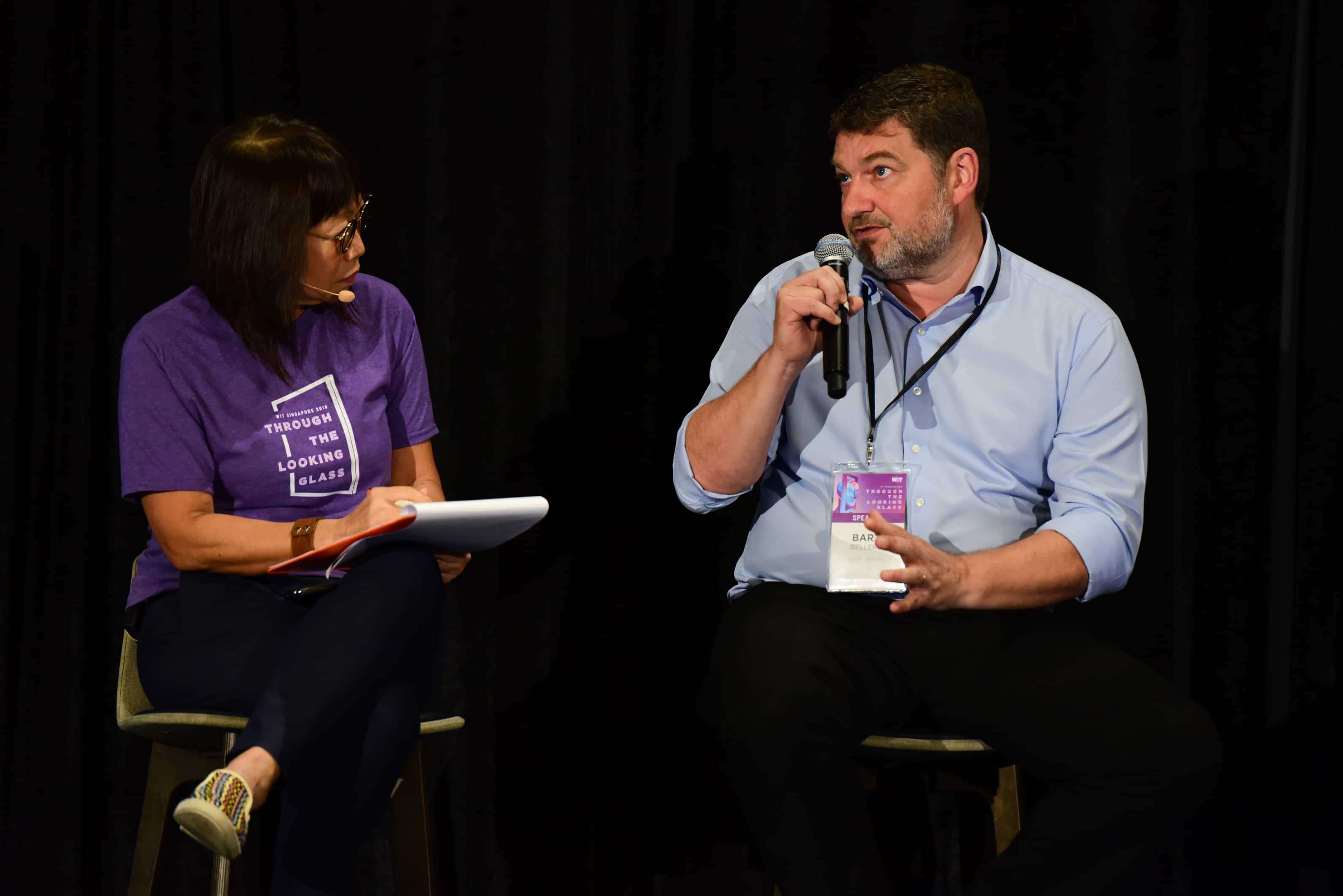
Bart Bellers launched Xpdite Ventures this year, a travel-focused VC fund for early stage startups.
The investors’ panel also disclosed the top three secrets startups should know when at the negotiating table. One commonly missed opportunity shared is not asking VCs what reserves they still have and under what circumstances they would refuse to invest. Also, asking how many years, capital or number of deals are left in the current fund is an important way of evaluating what factors an investor prioritises when considering funding your business.
Costa added to this by explaining that investment decisions and processes can vary dramatically depending on the investor’s level of knowledge on a particular sector, and it is difficult to understand what a VC is really comfortable with investing in.
That being said, it is important to remember that many successful businesses don’t necessarily have to be VC-funded. Many can grow and succeed organically. When it comes to investors, it’s all about the size of opportunity and the short and long term goals of the company that will make the difference.
He also added that sometimes it takes a “catalyst” to wrap up a funding round, for example when there is a narrow window of opportunity that requires capital to be capture immediately.
“A VC makes sense if there is an opportunity that is short-lived in a way, or a winner takes most’ scenario… these are the things where it makes sense for a venture capital to invest.”
Of course, plenty of blunders happen when in the fundraising process, with some more common than others. Bellers explained, “as a startup, time is all you have” and talking to the wrong VC who actually isn’t able to help you with what you really need can be the source of your downfall. He also argued for a better understanding of which market your product truly serves and called for a more accurate estimate of the size of the segment.
Hiraguri added that many startups falsely believe they are invincible, blinding themselves to the real risks they face down the line. She also argued that many young businesses neglect and underestimate the importance of paperwork. “Read the contracts and store the minutes.”