News Roundup: An update on airlines in the Asian region with Air New Zealand adopting drone technology to improve operations, Emirates helping to preserve the environment with removal of single-use plastic and AirAsia acquiring more new generation aircraft in response to ongoing strong demand for travel.
Technology: Air NZ, ST Engineering team up to trail drones for aircraft inspection
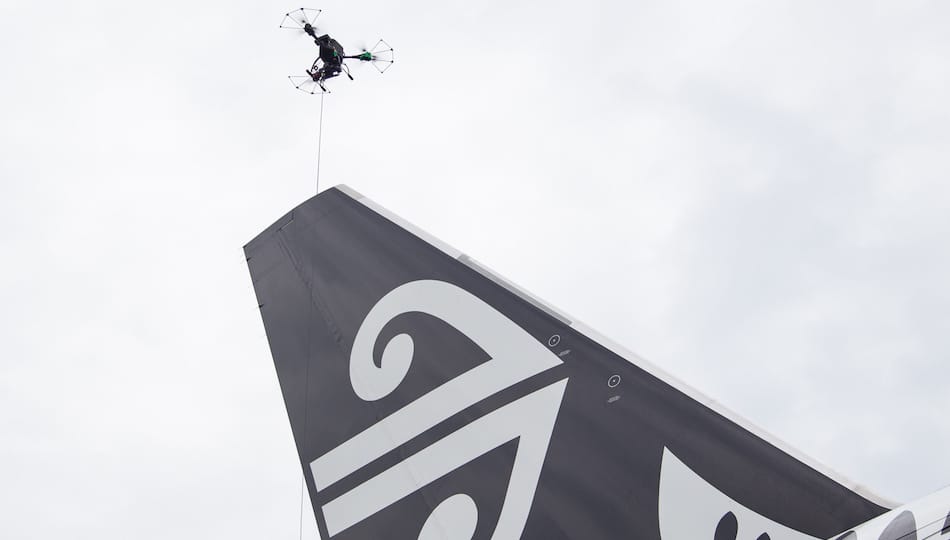
(Image credit: Air New Zealand)
Drones have gone beyond surveying and taking aerial photographs to delivering food, parcels, groceries to your doorsteps and more. Now this unmanned aerial vehicle is playing another role in aviation – as a helper in aircraft maintenance.
Air New Zealand is using this technology for inspecting its aircraft, as it said airbone drones significantly reduce the time in carrying out this task.
The carrier has partnered Singapore-based maintenance, repair and overhaul (MRO) service provider ST Engineering to trial the use of a new drone system, DroScan, to inspect its aircraft at the MRO provider facility next to Singapore’s Changi Airport where they undergo heavy maintenance checks.
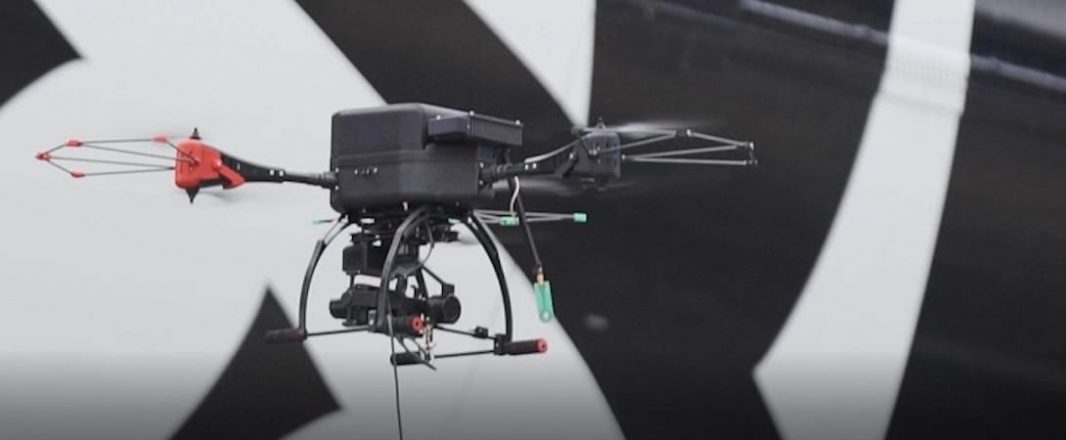
Developed by ST Engineering, DroScan sees an airborne drone take a planned route around the outside of an aircraft to inspect its surface and produce high definition images.
These images are processed using a software with smart algorithms to detect and classify defects, which aircraft engineers can review or carry out further inspection for defects if required.
“Using a drone to inspect our aircraft will save time, taking around one to two hours, compared to up to six – depending on aircraft type – which means repairs can start sooner if needed, and our aircraft will be able to get back in the air more quickly,” said Air New Zealand chief ground operations officer Carrie Hurihanganui.
She added AirNZ has trialled using DroScan on a number of its aircraft undergoing maintenance inspections in Singapore now.
“We believe using a drone will also help improve inspection quality. In future, there may be an opportunity to use the device in New Zealand, for example to conduct ad hoc inspections after lightning strikes.”
ST Engineering’s Aerospace sector deputy president Jeffrey Lam said incorporating innovative technologies into aviation MRO “holds great potential in enhancing the way aircraft get serviced”.
Solutions such as DroScan “will drive great value for the aviation industry given the huge emphasis it places on safety and efficiency…,” he added.
Air New Zealand and ST Engineering are also collaborating to manufacture 3D printed replacement interior parts and on data analytics to optimise maintenance activities.
Environment: Emirates says ‘no’ to single-use plastic inflight

(Image credit: kot63/Getty Images)
Emirates has joined the growing movement to ban single-use plastics with the unveiling of its plans to remove an estimated 82 million plastic items on board its aircraft.
The Dubai-based carrier made the commitment to reduce the use of plastic at the start of this month with the introduction of eco-friendly paper straws, and said all its flights “will soon be plastic straw-free”.
The airline will also replace plastic swizzle sticks and stirrers with eco-friendly alternatives by the end of the year, and from August paper bags will be used in place of inflight retail plastic bags.
Additionally, Emirates is segregating large plastic bottles on board to be recycled. This move, according to the airline will “divert an estimated three tonnes or about 150,000 plastic bottles from landfill in Dubai each month.”
The airline has conducted a full review of the plastics on board, and over the next few months it will gradually implement other initiatives to tackle plastic waste – part of its ongoing sustainability efforts.
In 2017 Emirates introduced ecoTHREAD blankets made from recycled plastic bottles for its economy class cabin. Each blanket is made from 28 recycled plastic bottles. The airline revealed this project would save 88 million plastic bottles from landfill by the end of 2019.
Earlier this year, Abu Dhabi-based Etihad Airways also announced plans to cut usage of single-use plastics across the organisation by 80% by the end of 2022. As part of this commitment the carrier operated the region’s first single-use plastic free flight between Abu Dhabi and Brisbane on Earth Day (April 22).
Airlines: AirAsia unveils new A330neo, upsizes single-aisle fleet
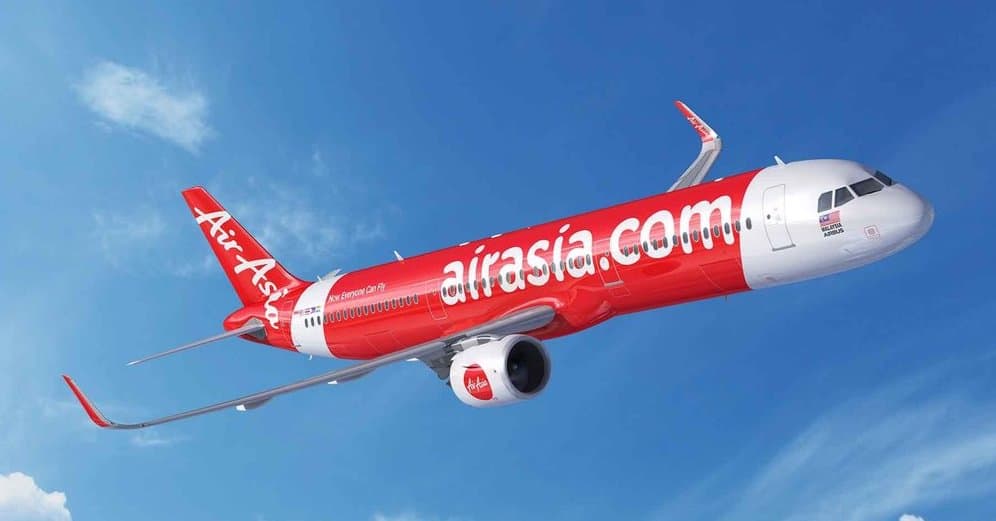
(Image credit: AirAsia)
Low cost carrier AirAsia, the Asia Pacific launch customer for the Airbus A330neo, introduced the first of its new generation long-haul fleet at the ongoing Paris International Air Show (June 17-23).
According to AirAsia, it is “the first airline in Asia Pacific to operate the technologically advanced, new generation A330neo aircraft.” It will be based at Bangkok’s Don Mueang International Airport to facilitate AirAsia X Thailand’s network expansion to key markets such as Australia, Japan and South Korea.
“This is a significant milestone for the aviation industry – and importantly, for our guests – which will revolutionise the long-haul, value air travel market,” said AirAsia X group CEO Nadda Buranasiri.
“With 66 aircraft on direct order and two on lease the A330neo is the future of our long-haul operations delivering an enhanced guest experience, including the latest design features and new modifications to make medium- long haul value air travel more comfortable than ever,” he added.
Guests flying on the new aircraft enjoy more personal space, larger cabin bag storage space, ambient mood lighting throughout, power sockets in every seat and the quietest cabin in its class.
The delivery of the A330neo aircraft will be in phases, and AirAsia expects Airbus to provide six aircraft a year.
In a related development, AirAsia announced at the air show it would upsize its future Airbus single-aisle fleet, converting 253 orders for the A320neo to the larger A321neo version.
“With its numerous efficiency benefits and the operational flexibility this aircraft brings, the A321neo will be the new backbone of our operations as we continue to expand to meet growing air travel demand across Asia,” explained AirAsia Group executive chairman Datuk Kamarudin Meranun on the change.
To date, AirAsia has placed orders for 592 A320 Family aircraft. Following the upsizing, the airline will become the world’s largest customer for the A321neo with 353 aircraft on order.
The airline currently has 230 A320 Family aircraft in service, flying out of its hubs in Malaysia, Thailand, Indonesia, the Philippines, India and Japan.
• Featured image credit: Air New Zealand