Making the news this week are HotelQuickly with its new booking feature, Copenhagen Airport first in the world to use Google Glass, Tune Hotels’ growth in Victoria
HotelQuickly adds tomorrow-booking feature to its revamped app
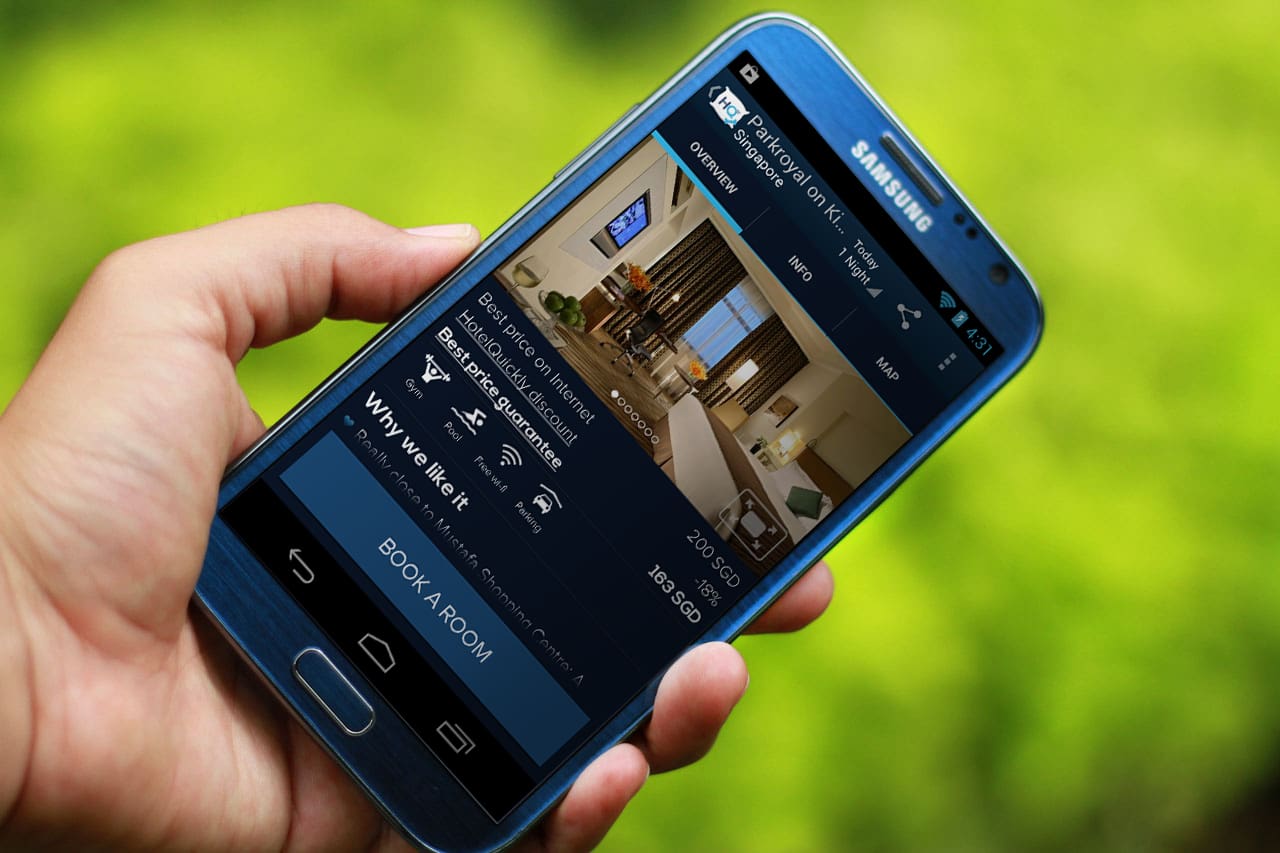
More flexibility with app’s new feature / Image credit: HotelQuickly
Last-minute hotel-booking app, HotelQuickly, has released a reprogrammed and redesigned app to enable travellers to lock in hotel deals one day ahead of checking into the hotel.
Before the release of the new app hotel rooms could only be booked for the very same day. The booking window opened at 8am and rooms could be booked until 4am the next morning for the very same night. Now, with the redeigned app it is possible to lock in a deal already one day ahead of checking into the hotel.
According to HotelQuickly, travellers planning a spontaneous weekend getaway during the week would welcome this new feature.
Michal Juhas, CTO of HotelQuickly, said, “We are confident we can accommodate all the needs of travellers alike with the new app. We have made a faster app and gave our users even more power to be more spontaneous while travelling.”
HotelQuickly has also added a new payment gateway, price filters; third-party hotel reviews, and managed to get more hotels to offer multiple night stays than with the previous app. It added that all partner hotels are hand picked and only above average rated 3-5 star hotels will make it onto the app.
To date, the app has been downloaded more than 300,000 times, mainly driven by organic growth. It is available in six languages for free for Android, iPhone, and BlackBerry 10 devices.
A smile and Google Glass for passengers at Copenhagen Airport
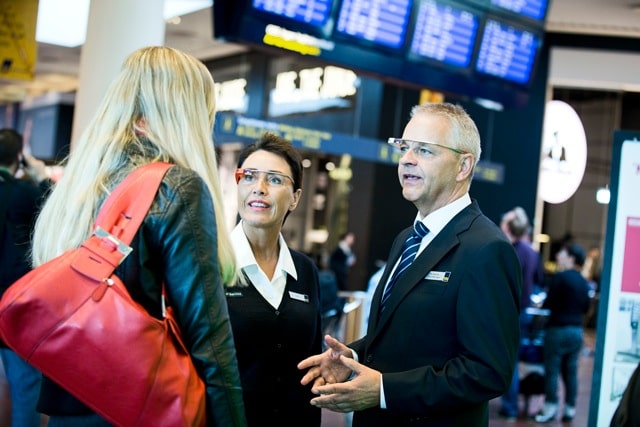
A Google Glass welcome at Copenhagen Airport / Image credit: Ernst Tobisch
SITA, working with SITA Lab, its technology research group, has enabled Copenhagen Airport (Denmark) to be the first airport in world to trial Google Glass for improved passenger experience.
Following a successful trial by its passenger services team, the airport gave Google Glass the “thumbs up”
Reactions from passengers were also positive, though mixed. Younger people were excited and keen to see how they too could use the technology. In contrast, the older age group did not notice the devices and, when the Glass was demonstrated to them, they were pleasantly surprised by the added benefits the service team was able to deliver.
Marie-Louise Lotz, director customer care at Copenhagen Airport, said the feedback from the passengers and its service team was overwhelmingly positive.
“We found Google Glass very easy to use and more user-friendly than other devices such as tablets. We can reduce the amount of paper our duty managers need to carry to give great customer service, such as duty rosters, desk allocation sheets, peak prognosis, passenger numbers and cruise arrivals. And because the devices are hands-free, our managers are not focusing on a screen and can engage better with our passengers.”
The team also noted that having access to services like Google Translate and gate, baggage or flight information would help them improve the dialogue with passengers.
Duty managers were also able to have instant interaction with colleagues on duty by sharing information using the camera for documentation purposes and publishing photos on a closed work forum.
Jim Peters, SITA’s chief technology officer, said, “SITA has led the way with airlines and airports in the trials of wearable technology, including Google Glass. The killer benefit is that this technology is hands-free and enables a new way of working. At Copenhagen Airport we have seen real benefits for both passengers and service staff. From an operational point of view, the ease of adoption and the user-friendliness of the Glass devices are great – it only takes a day for staff to familiarize themselves with the new equipment.”
He, however, acknowledged there are still some technical issues to iron out.
“The devices need improved scanning capability, battery life and reduced heating during operation. But the potential for widespread usage in the air transport industry is great. SITA will continue testing and researching the best ways for this innovative technology to be embraced by airports and airlines.”
Tune Hotels sets sight on Victoria, Australia, for its business growth
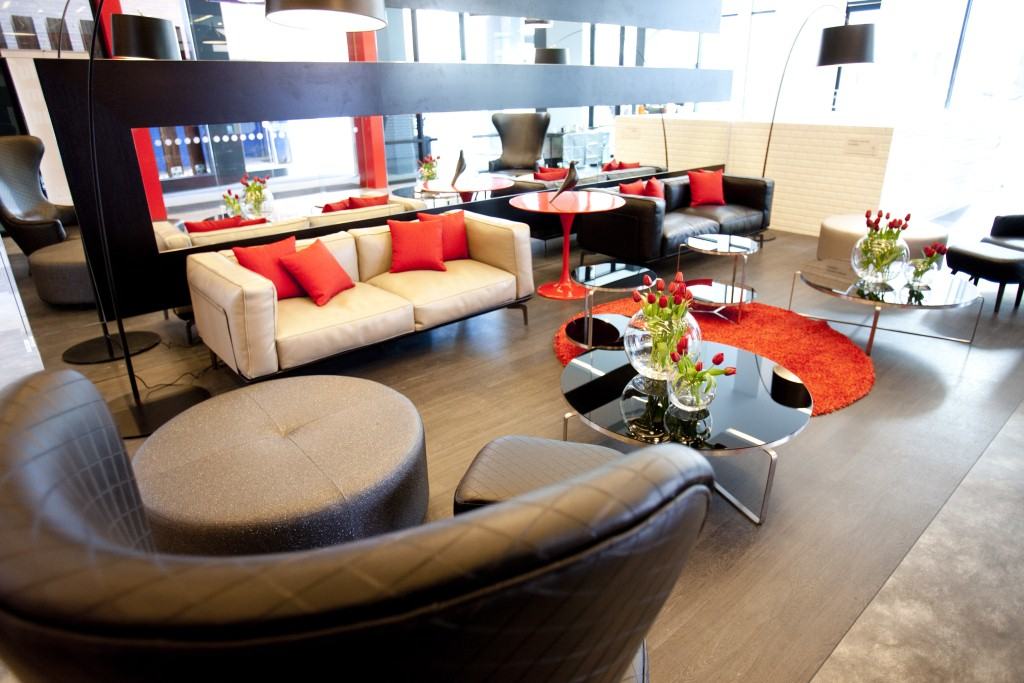
Lobby of Tune Hotel Melbourne / Image credit: Tune Hotels
Malaysia-based budget hotel chain Tune Hotels, which opened its doors in Melbourne last October (left), will continue to lure more visitors to the city by tapping on the rising number of tourists, especially from South East Asia.
In the year ending March 2014 the Australian state welcomed more than 260,000 international visitors from Malaysia, Singapore, Indonesia and Thailand, a growth rate of 13.1%. Victoria is especially popular with Malaysians who made up almost 100,000 overnight visitors, a 14% increase. By 2022-23 it is estimated that Victoria will receive approximately 152,000 Malaysian visitors annually.
Victoria’s minister for tourism and major events, Louise Asher ,and Tune Hotels group chief executive officer, Mark Lankester, met recently to discuss growth plans ahead of Tune Hotel Melbourne’s first anniversary in October.
“Victoria has strong ties with Malaysia, as many Malaysians have lived, worked and studied here. These links provide significant opportunities for visiting friends and relatives which is a key driver for repeat visitation,” said Asher.
A special music-oriented social media campaign is planned to celebrate Tune Hotel Melbourne’s first anniversary, which is aimed at supporting and providing a platform for new and young musical talents in the city.
“We seek to provide that link and sense of belonging among the many young musicians in Melbourne towards Tune Hotels. We want them to see Tune Hotel Melbourne as an arena where they can showcase their talent and be noticed,” said Lankester.
The 255-room Tune Hotel Melbourne is popular among Malaysians, as well as Australians who make up 55% of its bookings.