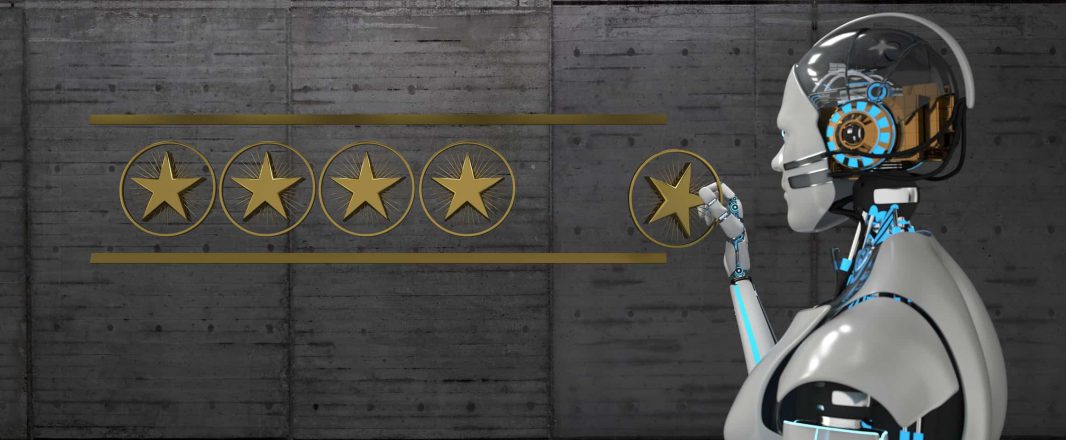
TripAdvisor has taken the issue of fake reviews by the horns and is urging other platforms like Google and Facebook to do the same.
“We need other major platforms like Google and Facebook to step up and take the issue of fake reviews seriously. Right now, we are not seeing that,” said Becky Foley, senior director of trust & safety, TripAdvisor.
Foley said TripAdvisor would be open to “industry collaboration” when asked if there is argument for a body within the travel industry and beyond that tackles fake reviews and other such fraudulent activities.
“In terms of education, we have created a dedicated section on our TripAdvisor Insights blog which provides more information about reviews,” said Foley.
TripAdvisor also recently became the first major review platform to issue a transparency report. The Review Transparency Report reveals details about its review moderation process and statistical data on the volume of fake review attempts targeted at the platform in 2018.
The report’s key findings are as follows:
- Out of the 66 million reviews submitted to TripAdvisor in 2018, analysed by its proprietary fraud detection technology and manually by its content team, 4.7% were removed or rejected.
- Some 2.1% were determined to be fraudulent and 73% of them, or over 1 million fake reviews, were blocked before they were posted.
- 34,643 businesses were subject to a ranking penalty, which is a reduction of a property’s position within the popularity of traveller ranking. Ranking penalties are imposed when a business is caught attempting to post fake reviews.
- TripAdvisor has stopped the activity of more than 75 websites that were caught trying to sell reviews. One individual was sentenced to nine months in prison by the Criminal Court of Lecce in Italy last year in a landmark case.
To tackle fake reviews, TripAdvisor has developed its own fraud detection technology in addition to putting in place “hundreds of content specialists working 24/7 all over the world” operating in every language the site supports.
“We have adapted many of the techniques that the credit card and banking industries use to detect fraud, including network forensics and machine learning, and applied those same principles to catching fake reviews. We have also benefited from an ever-increasing volume of review data which we can use to train our review analysis system on the patterns of user behaviour it needs to watch out for,” said Foley.
When asked if this is technology they could license to other businesses, Foley said it would not since its “technology is proprietary”.
The proportion of fake review submissions in 2018 were mostly (91%) biased positive reviews; only 6% were biased negative reviews, and 3% were paid reviews.
Foley said fake reviews come from all over the world, but when analysing paid reviews, “fraudulent activity is more prevalent in certain markets”. She said in 2018, prior to the FIFA World Cup in Russia, there was a higher percentage of fake reviews originating from Russia compared to other countries.
“Major events like a World Cup attract a huge increase in visitors to the host country, and unfortunately there will always be fraudsters who try to exploit that situation. Fortunately, our team of investigators was ahead of this situation and took proactive steps to protect the site,” she said.
“TripAdvisor has been very aggressive in pursuing fraudsters targeting our platform. As a result, we believe the impact of fake reviews on TripAdvisor is small. Because of the systems and protections we put in place, consumers can feel confident they are getting accurate and useful information from the reviews they read. A 2019 survey of TripAdvisor users by Ipsos MORI revealed 85% say the reviews they read on TripAdvisor accurately reflected their experience,” said Foley.
To download the full report, click here.
Featured image credit: Getty Images