As consumers become more conscientious about the sustainability of their travel practices, some are actively seeking out brands better aligned with their values. And Singita, which runs high end lodges alongside wildlife protection programmes in South Africa, Zimbabwe, Tanzania and Rwanda believes this trend is playing out to their benefit.
On a visit to Singapore to promote Singita to the local trade, general manager of business development, Caroline Burke, explained that while staying at any Singita lodge is by no means cheap, many guests consider it “value for money” given that a significant portion of the costs go towards its conservation efforts as well as an exceptional travel experience. (For reference, Singita’s Sasakwa Lodge in Tanzania costs USD2150 per adult per night during the high season.)
“A lot of people stretch themselves [financially] for Singita because people want to know where their dollar is going. It’s that whole thing of “am I travelling to Africa with a company that is ensuring the survival of these areas?’” said Burke.
She said that Singita’s work in both wildlife and community sets it apart from competitors and as it has grown, its methods have evolved to ensure the relationship between nature and local communities in Africa continues to be sustainable and beneficial to all in the ecosystem.
Founder and chairman, Luke Bailes described Singita’s efforts as “an interdependent model between biodiversity, community and sustainability”.
“We do huge work with communities to uplift and give them a sustainable lifestyle. We invest in SMEs, develop education, we feed [thousands of] kids every morning, we put kids into early childhood development programmes, work with local cooperatives to buy local produce. We have a culinary school, we have bursaries and scholarships…” listed Bailes. A detailed list of Singita’s initiatives can be found here.
Singita has taken a conscious approach in ensuring that local communities understand the importance of conservation and feel a strong sense of duty to protect local wildlife. This is especially poignant in a destination where safaris, positioned as exclusive luxury experiences, are out of reach of most local communities.
“We bring classrooms of kids into our properties to give them a wildlife and environmental education. Otherwise they don’t really see what goes on where the animals are. So, we show them and they really start understanding why it’s so important to conserve and they become ambassadors,” said Bailes.
To fund all of these initiatives, Singita draws from a mix of its guests, private partnerships, donors and investors. Specifically, its “sustainability pillar” is built into the company’s tourism operating model, which directly covers all associated costs as well as providing local employment and procuring from local businesses. Plus a portion of Singita’s revenue is invested into its conservation efforts.
The “community and biodiversity pillars” are implemented by non-profit partners, direct donations as well as through its Private Partnerships, entailing the development of a collection of exclusive use villas, funded by philanthropists.

Growing pains in an exciting market
Currently, Singita has 15 luxury safari lodges and plans to double in size over the next seven years, with particular interest in Mozambique and Kenya.
However, a stumbling block to its growth is that much of Africa’s travel infrastructure is still underdeveloped. Fortunately, signs of growth are there. “Intra-Africa travel is not that strong yet. It will come but it is still in its infancy,” said Bailes.
Using Ethiopian Airways as an example of a globally recognised African airline, Bailes said that Africa is showing signs of opening up, making it more accessible to travellers from Asia.
Bailes and Burke agree though that there are still a lot of negative stereotypes associated with Africa that are proving difficult to shake, despite the region’s enormous economic potential.
“The forecast for Africa is that luxury inbound tourism will grow about 110% in the next 10 years and if that happens, that’s a game changer… but the press are not kind to Africa,” they explained.
“Fortunately, Trump and Boris are making way more noise at the moment,” Burke jested. “The press are looking for the ‘doom and gloom’ stories and for some reason, they’ve focused in on Africa. When they pick up on a bad news story, they blow it out of proportion. The reporting on Africa always seems to be quite sensational, so sometimes, we find the press a challenge,” said Burke.
However, the narrative might be changing as Africa’s market potential is beginning to get noticed more readily.
Bailes pointed out that “Africa is potentially one of the biggest markets in the world. The population is growing from 1.2b to 4.4b in the rest of the century so it’s going to be one of the biggest consumer markets in the world… the middle class is growing, and everyone is jostling for positions to seize that opportunity.”
The other main challenge is that destination-marketing organisations (DMOs) have not managed to sell Africa’s destinations effectively, with the exception of Rwanda.
“[Rwanda has] been very focused on [selling] high-end, low impact tourism,” said Bailes, which has helped its own efforts towards conservation (of its gorilla reserves, for example) and sustainability as a travel destination.
“Rwanda is a shining example of how to brand a country,” said Burke.

Putting Singita in the spotlight in Asia
As part of its expansion, Singita has identified Asia as a key growth market. It credits its growth, at least in part, to the growing demand for experiential travel amongst Asian travellers.
Said Bailes, “South-east Asia has been good for us for a long time… [It] is growing very quickly.”
“The last three to four years have seen a rise in interest in Africa – a wave that started because of experiential travel. It was less about leaving Asia to shop and dine; what people are interested in purchasing changed. It’s changed the level of interest in Africa because we provide experiences… you definitely don’t come there to shop!” Burke said.
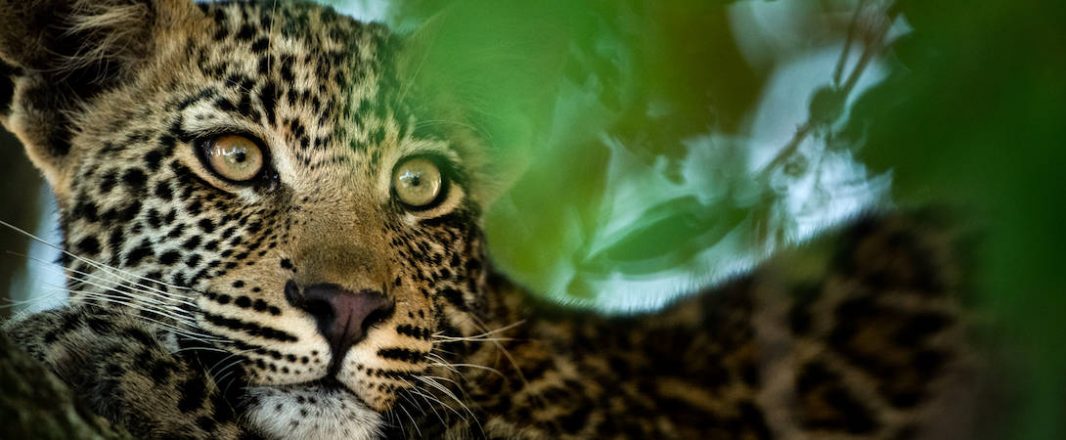
Inevitably, the rise of social media has also fed into Singita’s growth and strong brand visibility. Singita has leveraged its stunning photographs of surrounding wildlife and of its hotels to amass an Instagram following of 117,000.
In Asia, it is refining its approach by looking more closely at social media channels unique to each market. Specifically, it is looking at China, Japan, Korea, Philippines Malaysia, Taiwan, Hong King, Indonesia and Singapore.
“We’re about to hit the button on digital content in Asia. WeChat, we’re getting to grips with what that looks like and how to do it so that it’s effective,” said Burke. “We are appointing a sales manager in Singapore to look after eight key markets [in APAC] and one China-dedicated person… the market is coming at us and we need to make sure we understand it.”
Note: WiT will launch its inaugural WiT Africa event on May 28, 2020 in Cape Town, to tap on this growing link between Africa and Asia. Register now.