Kruger National Park wants to regulate mobile phone use in wildlife spaces
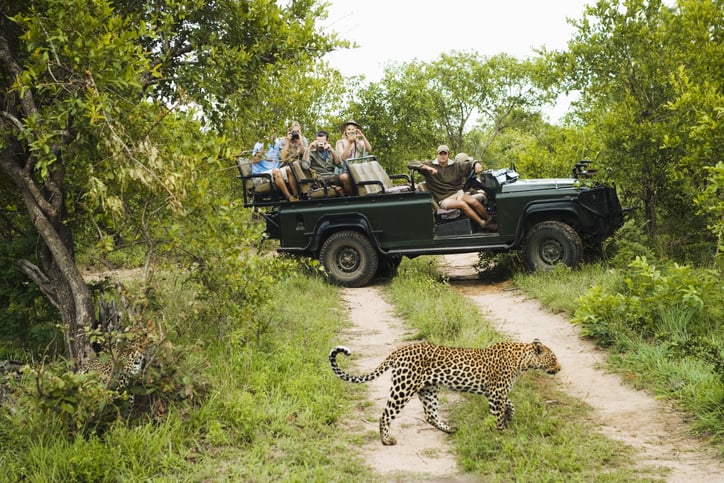
Technology is a facing a backlash of sorts, at least when it comes to wildlife tourism in South Africa. Officials from Kruger National Park are looking at developing new rules to mitigate the impact of mobile technology, which has been blamed for contributing to overcrowding, irresponsible behaviour and enabling poaching.
According to a CNN report, the park saw 1.8m visitors in 2019 alone. Its increasing visitor numbers are inevitably putting pressure on park officials to develop mechanisms that not only regulate the flow, but to also ensure greater safety measures for visitors as well as the wildlife itself. For example, a tourist bus collided with a giraffe, killing both the animal and the driver of another vehicle.
Unregulated use of technology is seen as a contributor to the issue as social media sharing and various travel apps are seen as indirectly encouraging visitors to rush through the park.
One such app is Latest Sightings – in which users upload photos of animals seen in the park and tag their locations, so it is easier for visitors to find them. It is believed to have the unfortunate effect of helping poachers seek out rare and more prized animals such as rhinos and elephants. In response, the app has removed location information for any uploaded images of certain animals, as a protection measure. However, it is believed that even geo-tagging on photos taken by mobile and uploaded online can also reveal the locations of these animals.
Nevertheless, issues surrounding overcrowding and technology’s role as an influencing factor has led park authorities to consider implementing new rules for visitors, and potentially even new restrictions on use of particular apps when in the park.
South Africa’s goal to double tourism by 2030 emphasises visitor safety
Perceptions of South Africa as dangerous and crime-ridden have acted as a barrier to growth as a leading travel destination. In an interview with Travel Weekly, Jim Holden, president of Holden Safaris stated visitors’ main concern was driven by reports of high murder rates. He argued that travellers from certain markets are perhaps less resilient to safety threats when abroad.
In a bid to shift its negative reputation, the government has stated it will invest 40m rand (approx. US$2.7m) in implementing a “Tourism Safety Plan”, wherein the Department of Tourism will collaborate closely with the South African Police Services (SAPS) to address crime and better ensure tourism safety. The plan includes preventative measures and responsive measures in the event of an incident, as well as an aftercare program focusing on victim support.
In the private sector, the Southern Africa Tourism Services Association (SATSA) launched an elaborate communications campaign to offer industry players and travellers practical advice and tips regarding security and safety concerns while visiting the country. It also developed a function on its mobile app to offer real-time updates of any areas experiencing issues so that tourists can be proactive about avoiding them.
A remaining challenge is how these new safety measures are communicated to inbound markets.

South African Airways launches ultra-long haul flight to New York
South African Airways (SAA) recently launched an ultra-long haul direct flight from John F. Kennedy Airport in New York to Johannesburg’s Tambo International Airport, in a bid to boost American arrivals.
“The addition of the A350-900 aircraft on our flagship route between New York JFK and Johannesburg displays the high level of commitment that SAA has to our North American market,” said Todd Neuman, executive vice president, North America for South African Airways.
“With this latest generation aircraft, SAA will significantly enhance our product with brilliant new features, while continuing to maintain our warm award-winning South African hospitality for which we are world- renowned.”
The new route will operate six days per week through till end-March, where it will then become a daily service.
Trump extends travel ban to Nigeria, amongst other African countries
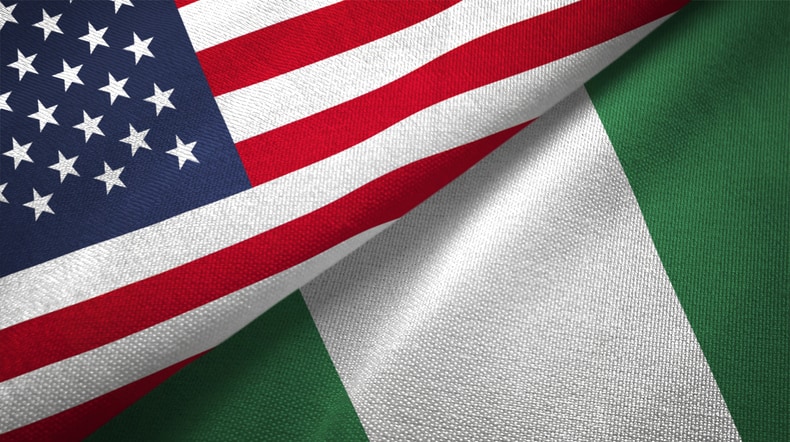
Nigeria – African’s biggest economy – has been subjected to Trump’s latest travel ban, with the USA arguing it may harbor terrorists seeking to enter the USA. This is in particular reference to Boko Haram.
The new restrictions also apply to Sudan, Tanzania, and Eritrea, as well as to Myanmar, which is accused of genocide against its Muslim population, and Kyrgyzstan. The White House announced that many of the new countries added to the ban refused to comply with “identity-verification and information-sharing rules”, according to the New York Times.
It will affect nearly a quarter of the 1.2b people on the African continent, according to W. Gyude Moore, a visiting fellow at the Center for Global Development, potentially taking a heavy toll on African economies, as well as perceptions of America.
The irony comes in as the ban came after the USA expressed ambitions to spread its influence, to counter Russia and China’s increasing presence in the continent. This primarily manifested in its “Prosper Africa” initiative, which seeks to double trade and investment with the continent.
While the new restrictions only affect those who want to move to the United States, not simply visit it, it undoubtedly casts a problematic light on the USA as an unfriendly destination for certain countries in Africa.
Destination marketing hits the air waves in Africa
Gallivant Africa – a data-driven media firm – has launched an Africa-focused online radio channel to promote travel to the continent. The radio station was regarded an instant success during its beta test in September to November last year, garnering an international listener base of over 90,000 a month.
It will officially re-launch and begin live streaming in February, with content focused on all things travel-related, specifically: hospitality, destinations, transport (aviation, cruises and rail), African culture, trade events, and exclusive interviews.
The radio station aims to tackle Africa’s misrepresentation in mainstream media and present an accurate narrative from those living in the region.
Don’t just read about it. Join in the conversations on May 28 in Cape Town, South Africa at WiT Africa 2020.
Images courtesy of Getty Images.