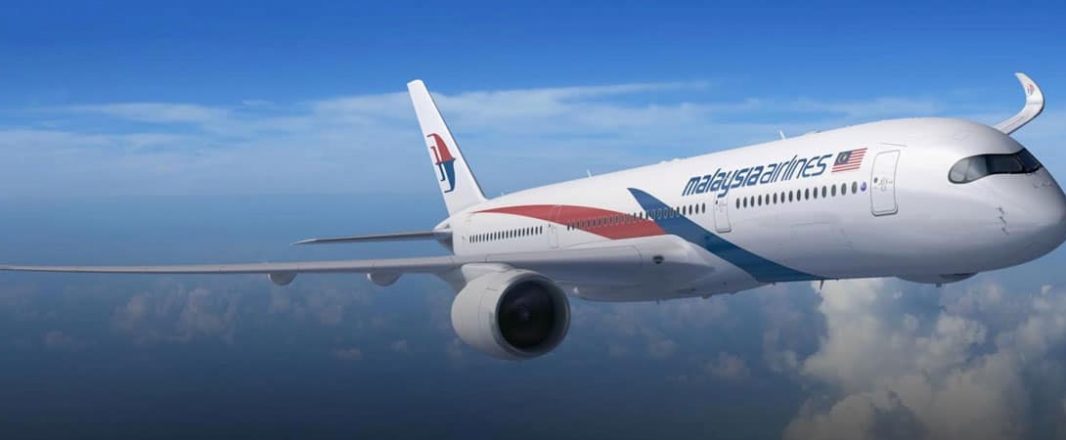
Malaysia’s national carrier Malaysia Airlines Bhd (MAB) is embarking on a comprehensive restructuring of its business and capital structure, which includes revising its Long-Term Business Plan (LTBP) further to ensure survival and protect jobs.
The carrier confirms in a statement that it has reached out to its lessors, creditors and key suppliers recently as it restructures.
MAB was responding to a report in Reuters that its parent company, Malaysia Aviation Group, has told lessors the group is unlikely to be able to make payments owed after November unless it receives more funding from the country’s sovereign wealth fund Khazanah Nasional Bhd, the airliner’s owner.
In 2014 MAB was taken private by Khazanah, which paid RM1.4 billion for the 30% of the remaining shares it did not own.
The airline said Covid-19 has halted the “good momentum” it was set to continue in 2020.
“When Malaysia Airlines Bhd and all its sister companies under the Malaysia Aviation Group (MAG/the Group) launched its LTBP in early 2019 the group achieved better overall net income after tax (NIAT) compared to 2018, which is 18% ahead of target whilst the group revenue grew by 7% year on year.”
The airline added its passenger revenue per available seat-kilometre (RASK) increased by 3% and yield by 5%, saw “significant” improvements operationally exceeding its on-time performance target of 80% to achieve 83%, steady improvement of mishandled baggage to 5.6 bags per 1,000 passengers and customer service index improved to 78%.

However, the carrier was not spared from the adverse effects of the pandemic that saw borders closing leading to an unprecedented lockdown across the globe, forcing all airlines to halt operations and ground almost all their fleet for most of March to June this year.
Since March MAB has taken various measure to control costs and conserve cash including extensive salary cuts for the entire management team and pilots, introducing no-pay leave, seeking payment deferrals, renegotiating contracts so as “to survive and protect as many jobs as possible.”
MAB sees its return to international leisure and business travel demand in the next couple of years hampered by various factors such as little sign of improvement in the pandemic, resurgence of infected cases in some markets, the yet to be developed vaccine that needs to be widely distributed, and tight border restrictions remaining in place for its key market.
As such, the airline is taking “drastic steps” in revising its LTBP further to “ensure the group’s relevance and survival”. This includes reworking its network and fleet plans to be able to cope with not only the uncertain and volatile aviation landscape, but also likely softer traffic demand for the foreseeable future.
MAB said it intends for the restructuring exercise be completed over the next few months. However, if such an outcome is not possible the group may have no choice but to take “more drastic measures”.
It reiterates its commitment to ensure that its restructuring exercise “is duly implemented in a fair manner through any form of mechanism that is appropriate.”
Before the pandemic ravaged the aviation industry and businesses worldwide the Malaysian government has been seeking a strategic partner for MAB, which has strived to recover from two tragedies – the mysterious disappearance of flight MH370 on 8 March 2014 while flying from Kuala Lumpur to Beijing, and the shooting down of flight MH17 from Amsterdam to Kuala Lumpur over eastern Ukraine on 17 July 2014. It has been a struggle for the airline to post a profit since.
In January this year, the then Malaysian Prime Minister Tun Dr Mahathir Mohamad said five proposals had been received but declined to name the suitors. Names being bandied around then included Air France-KLM, AirAsia, Malindo Air and Japan Airlines.
The Japanese carrier was widely speculated to be a possible partner for the ailing airline following their joint business venture that commenced on 25 July this year with the two partners cooperating commercially on flights between Malaysia and Japan, which could be expanded in the future to cover flights to the US.
However, all the carriers named have since said they were not considering taking up a stake in MAB.
Anyway, the coronavirus has scuttled any plans to find a strategic partner or a buyer for MAB as Malaysia’s focus is now on combating the spread of the coronavirus and in helping the country’s travel sector and businesses ride through the virus storm.
• All images credit: Malaysia Airlines Bhd