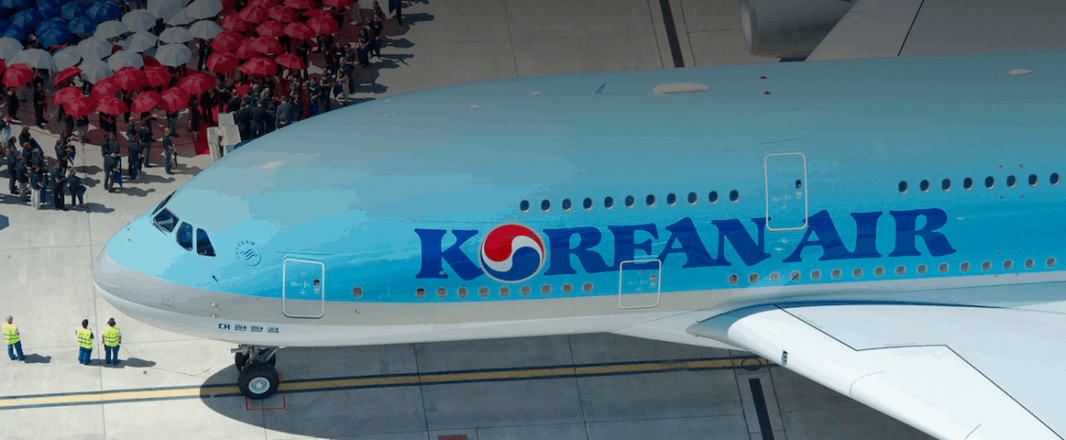
With airlines bleeding heavily worldwide, and some having already exited the scene, it was a refreshing report card from Korean Air – two consecutive profitable quarters buoyed by a healthy cargo demand and early planning to accommodate that demand.
Speaking at the WiT Seoul hybrid event last week, the airline’s president Kee-Hong Woo was candid about the state of affairs in the airline and how it has been managing the global travel shutdown so far.
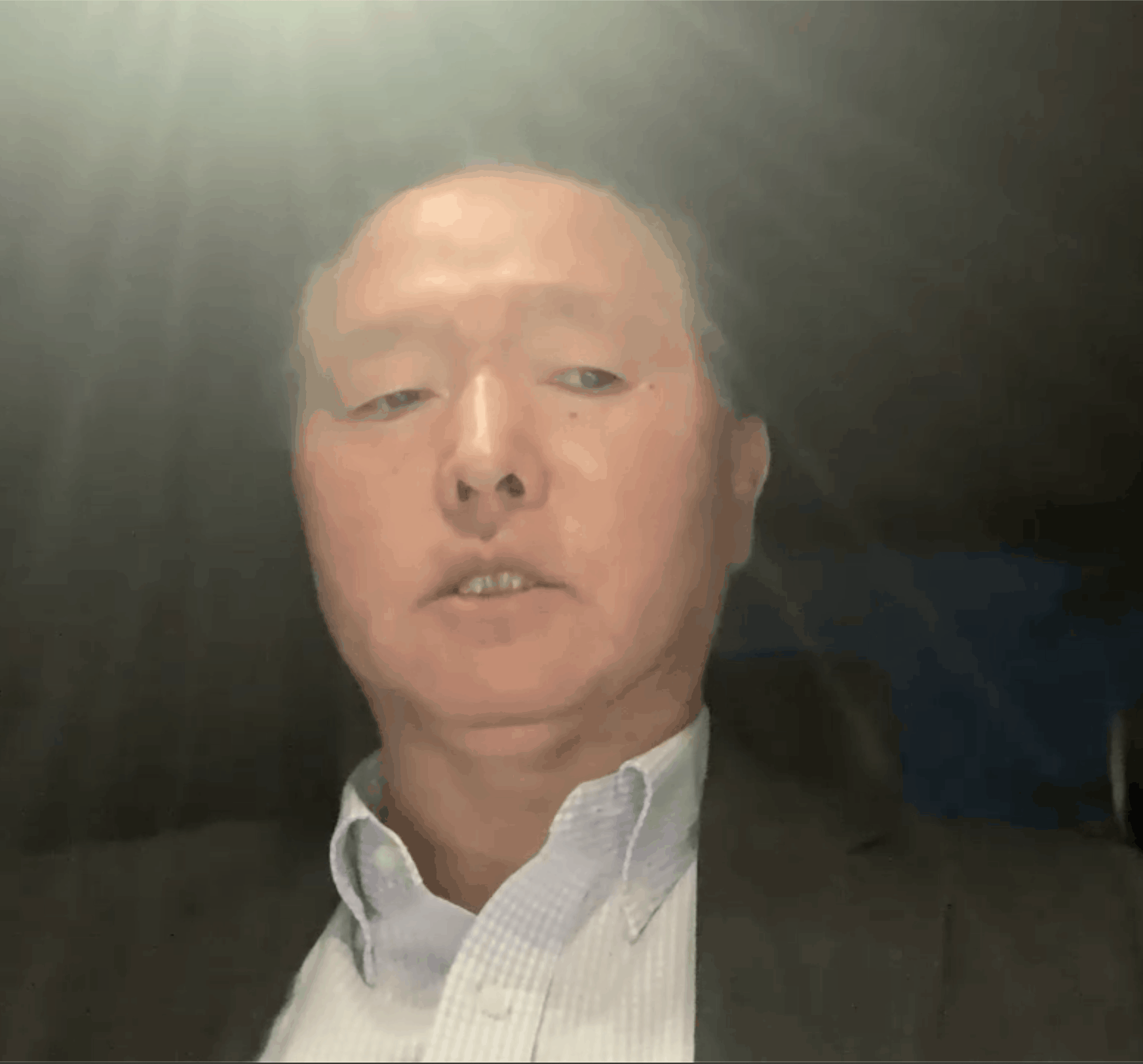
Woo said while it was especially difficult during the early stages of COVID-19 because of the uncertainty, it appears early planning and problem solving have served the airline well.
“It was more difficult for me during the early stages of COVID-19, starting in February because everything was uncertain. But we started to find solutions, how to cope, talking with our employees, government, and financial institutions,” said Woo.
He added that throughout all those discussions, he kept his focus on two things: the health and safety of its employees and its customers, and the job security of its 20,000 Korean airlines employees.
The strategy was to shift all the attention on cargo which was buoyed by a healthy demand.
“We increased the utilisation of our 23 big pure freighters, and we put our cockpit crew for our passenger flights in 747 and 777 to freighters because we grounded a lot of our passenger aircraft for 777 and 747 and we increased almost 50% of our freighter utilisation,” he said.
Korean Air also used its passenger flights for cargo only and now, it has almost 400 cargo-only passenger aircraft flying per week. From March, cargo rates increased and by May, it was already reaping profits.
When does he see passenger demand coming back?
“I think nothing will change the rest of this year or even early next year. We hope from next spring or summer, we will start to pick up or see some changes,” said Woo.
Even domestic passenger traffic is not enough to depend on. Its domestic revenue, which used to be about 6% of total revenue, has now crept up to 16%; international traffic used to be 94% of its revenues but is now a paltry 11%. “We cannot survive with just domestic. That is mostly run by Korean low-cost carriers,” said Woo.
Regardless, Korean Air is on track to “not lose money in operations” for the full year.
“Of course, we have to pay interest expense with our operating income, but you cannot pay this expense in full. We also have a lot of financial obligations such as aircraft lease payments, our corporate bonds and bank borrowings, and we are trying to meet these financial obligations. We raised US$1 billion of capital early July and now we are in the process of selling our catering and inflight services department for about US$900 million. We also secured US$1 billion or more from cooperation with our government. So I think we are well prepared to cover all the financial obligation because we are not losing cash in operations,” shared Woo.
Unlike other airlines like Singapore Airlines and Qantas that have created alternative use of their inventory – delivery of first-class meals, high-end merchandise, flights to nowhere – Korean Air has not commercialised any such activities. Instead, it is hosting flights to nowhere for aviation students, or those who want to learn more about aviation, or students who want to consider a career as a flight attendant but who might not have had the chance to experience flying before.
Meanwhile, as the leading pilot in the organization, Woo is keeping his eyes fixed on what’s important, and he is clear that it is about managing one’s cash flow. Asked what he thought of a subscription model for airlines or “fly now, pay later” schemes – he stated categorically, “I don’t like that”.
“I like taking cash in advance.”
Featured Image Credit: Koreanair.com