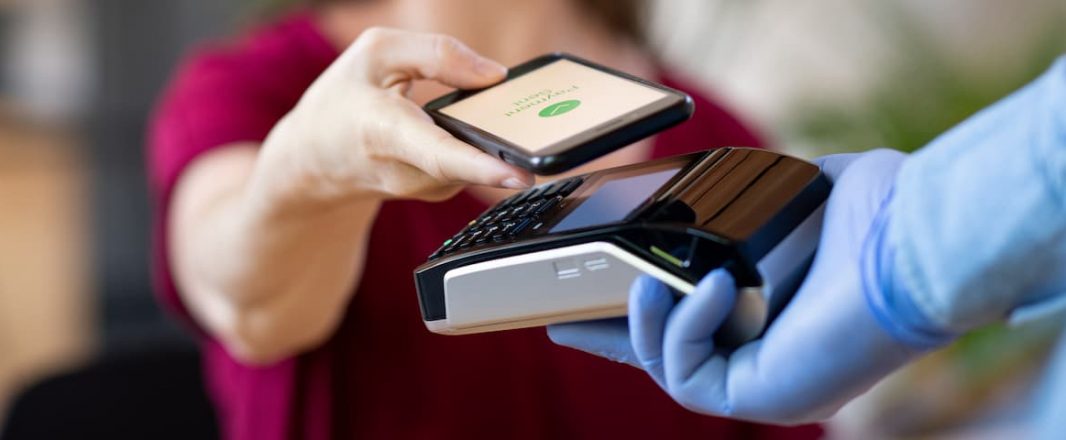
COVID-19 has accelerated a long-term trend away from physical cash payments – some 84% of respondents confirmed they now pay with non-cash methods like contactless or mobile payments when travelling, according to the Amadeus Travel Payments Guide 2020, a new study examining traveller payment trends across the world conducted in partnership with local payments infrastructure provider, PPRO.
Some 14% of respondents said that when contactless payment options are not available, they would abandon the purchase altogether rather than risk the physical contact required to pay with cash.
The COVID-19 environment has ushered in new traveller expectations, whether it’s a desire for biometric self-service at the airport or a greater need for destination-specific health information, traveller demands are changing. New traveller expectations, ushered in by the Covid environment, has extended to how people pay for travel too.
This shift to modern payment methods has led to an overall reduction in the use of cash to pay for on-trip services like food, beverages and attractions of circa 6%. According to the IMF, cash use declines by 1.4% a year on average, suggesting we’ve seen four years’ worth of digital payment transformation in the past nine months.
However, data suggests this trend could be temporary unless the travel industry can overcome historic problems associated with high and unclear fees when paying for travel. In fact, 55% of respondents agreed they plan to return to cash payments when the risk from COVID-19 has significantly reduced with ‘better clarity on charges’ and ‘cards being too expensive to use abroad’ as the most cited reasons. Here, there are opportunities for travel companies that allow travellers to pay transparently and at low cost using a wide range of payment methods.
“Contactless, digital and mobile payments have accelerated as travellers seek to reduce physical interactions, which is positive for all concerned. However, the industry needs to offer a more comprehensive range of new digital and local payment methods if we are to tackle long standing concerns around high fees. Offering transparency and choice is how we can make the digital payments shift permanent,” said Bart Tompkins, managing director, payments, Amadeus.
“In reality, there are now many digital payment methods that have negligible fees when used for travelling in another country, which are cheaper and more convenient than traditional currency exchange options. But people have been hit with high fees over the years and the industry has lacked transparency; it will take a concerted effort to shift those perceptions,” suggested James Booth, VP, Head of Partnerships EMEA, PPRO.