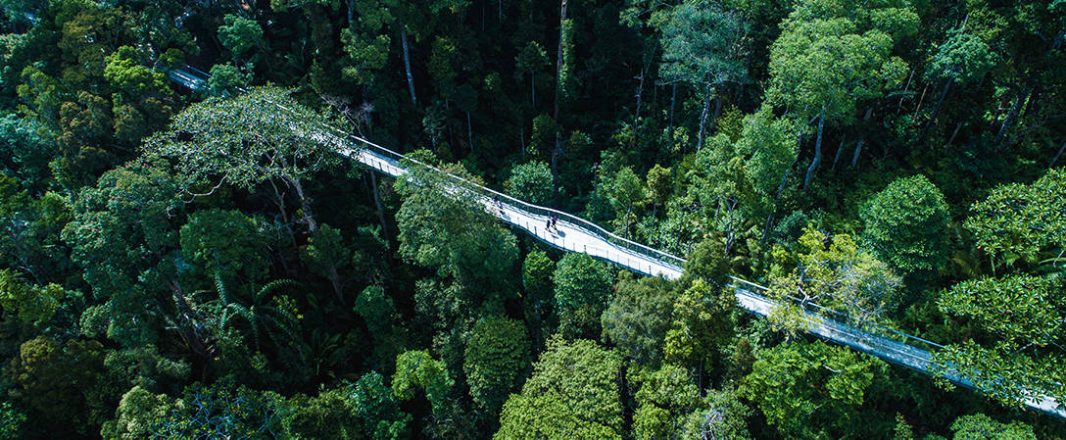
FOLLOWING a year of dismal revenues, The Habitat Penang Hill has had to think hard about creating alternative revenue streams and pandemic-proof businesses while waiting for travel to return.
With Covid having shown the park how reliant its business was on physical visitors, Allen Tan, managing director of The Habitat, an eco-park that showcases Penang Hill’s pristine rainforests, said, “We are currently working on developing revenue streams that are not park reliant. The main ones include creating an online store offering that focuses on promoting sustainable lifestyles and conscious living in line with our overall brand focus and identity, as well as our corporate ethos of being a purpose driven business.
“We are also working on developing a tour business that leverages off the brand that we have built in the sustainable ecotourism space over the last five years – -the working title for this new business is Habitat Adventures.”
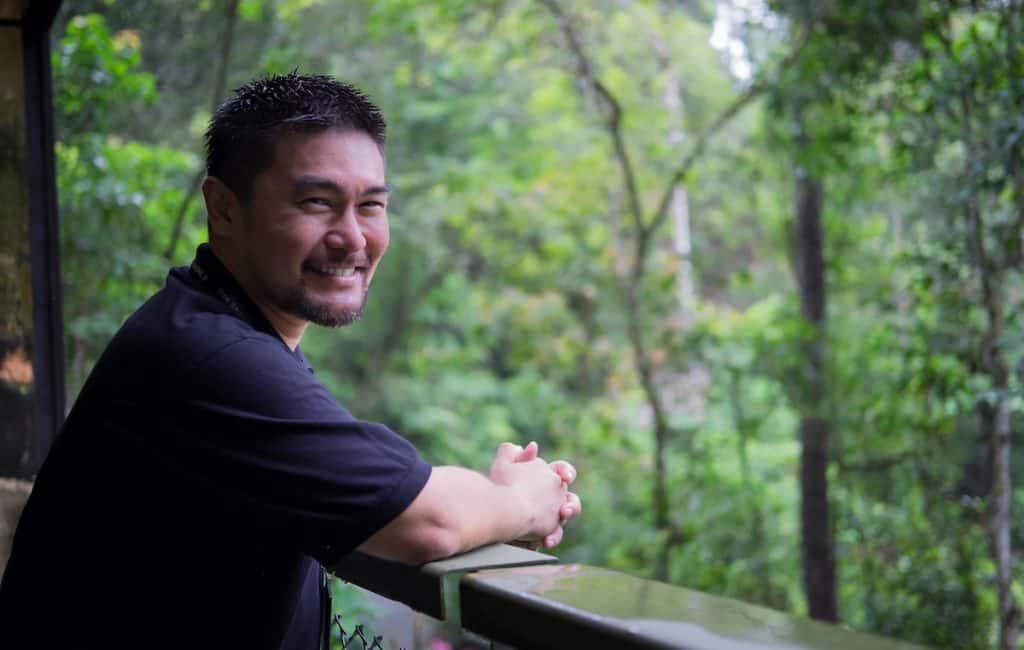
He said that since the start of the pandemic, the company’s focus has been on the curation and creation of online environmental education tools, which it hopes to monetise in the long run.
“Monetisation or conversion of online offerings into new revenue streams has proven difficult during the pandemic. However we are up to the task and believe that the quality of our content and service offering will put us in a good position to capitalise on this new venture in the long run.”
“Flip-flopping” and uncertain policies make it challenging for domestic tourism
Many tourism players in Malaysia, like The Habitat, are innovating and getting creative, knowing they cannot rely solely on the government to keep their businesses afloat in the face of the never-ending series of “movement control order” (with varying degrees of restrictions) that has been in place since last March.
Said Tan, “The constant flip-flopping in policies related to allowing and or disallowing interstate travel has been a major source of uncertainty for us and indeed for the entire hospitality and tourism industry as a whole.
“The lack of transparency and of a clear policy direction from the Federal authorities on the lockdown and interdistrict and interstate restrictions make it extremely difficult for us to plan ahead especially when it comes to marketing, promotions and campaigns,” he added.
Although the government has given the green light for domestic travel to resume on March 10 following a two-month ban, it comes with certain restrictions.
For example, interstate travel is only allowed between states that are under the recovery movement control order (RMCO) namely Perlis, Melaka, Pahang, Terengganu, Sabah as well as the Federal Territories of Putrajaya and Labuan. (Read details here).
Tourism players are uncertain this will boost the sector as the main markets for domestic travel are from areas under the conditional movement control order (CMCO) like the greater Klang Valley (that includes Kuala Lumpur). Penang is still under CMCO.
Tan feels a more targeted, district level approach to lockdowns is needed, namely a policy of imposing enhanced movement control order (EMCO) on specific districts, as was the case before, while allowing for continued open borders between states.
“The key to the success, for want of a better word, of domestic tourism is allowing interstate travel. Apart from the greater Klang Valley region (its main domestic tourism feeder market), in the case of Penang, allowing interstate travel from Kedah, Perlis and or Perak is also key to providing a lifeline to the hospitality and tourism operators in the state. For Penang Hill, for example, Kedahans historically make up a large proportion of domestic visitors especially on weekends.”
Putting things in place to catch the rebound, when it happens
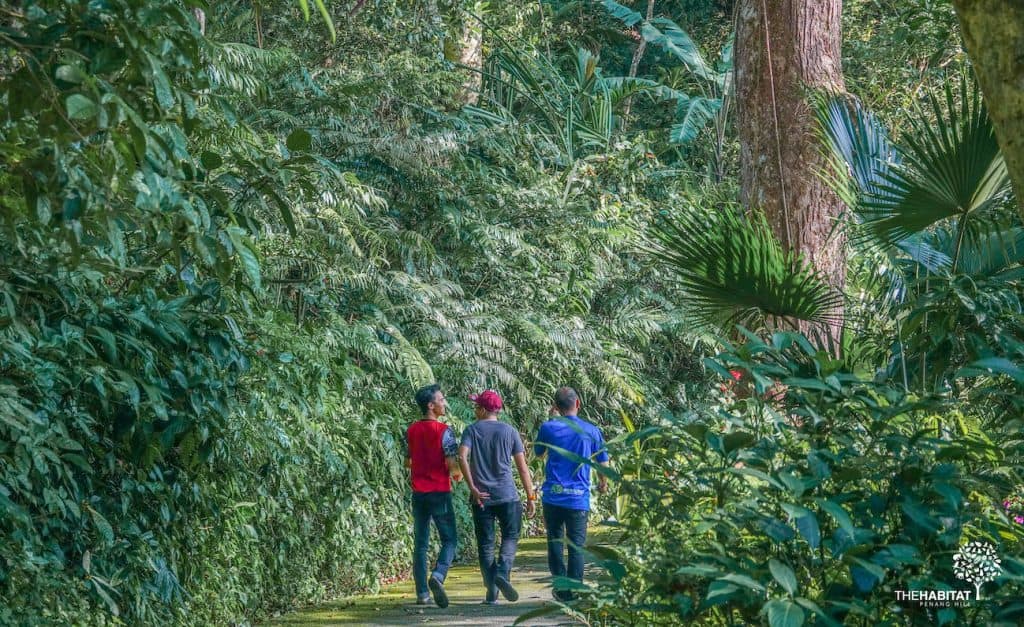
Tan revealed that while waiting for interstate travel restrictions to be lifted nation-wide, The Habitat is 100% reliant on the Penang market. Its natural habitat over 19 acres is a strong sell in Covid times, lending itself easily to social distancing measures.
The park recently installed Internet access and is extending coverage to strategic locations within the park. “We view this as a game-changer for us especially as it will allow us to host more corporate meetings and events that require good internet speeds and coverage,” explained Allan.
He said all these measures and plans are being put in place now so the park will be ready when state borders are fully open and international business and leisure travel resumes whenever this happen.
In the meantime, it’s done what all businesses have done to survive this collapse in tourism – austerity and cost reductions. “We have also doubled down on leveraging our partnerships with key strategic partners who will contribute towards our coming out of this challenging period leaner and more efficient as an organisation.
“A critical part of this entire process has been the retraining and up-skilling of our core team, be they front or back of house, to prepare them to take on roles that require more multi-tasking in the reimagined park operations.”
On whether The Habitat benefited from the various incentives given by the government, he said: “The original six month blanket moratorium on loan repayments was the most helpful and effective policy measure that the Federal Government has implemented to date. Apart from that we have received only minimal financial assistance in the form of limited salary support to date and even then only for a few months We have also received some financial assistance from the (Penang) State Government for which we are very appreciative.
“For the most part, I would have to agree with my peers in the industry that we have had to largely rely on our own internal resources to weather the current storm. Thankfully, our shareholders are extremely supportive and continue to enable us to maintain our operations in spite of the current business climate.”
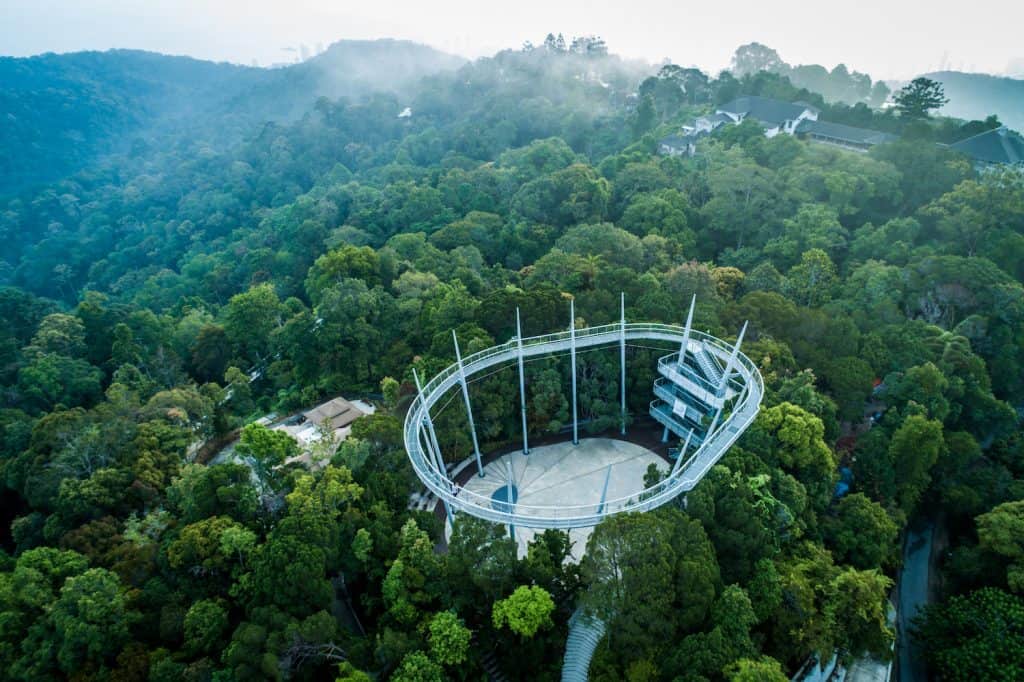
• All images credit (featured image is the park’s Langur Way Canopy Walk): The Habitat Penang Hill