
Former Relux founder takes lessons from India’s startup scene
Fresh from his first trip to India, Takaya Shinozuka, founder of Japanese online travel company, Reiwa Travel, is blown away by the dynamism of the market and the ambition of the travel startup founders he met.
“I spent five days, met many people, learnt a lot,” he told me. “They speak really good English, with weird accents,” he smiled. “In Japan, we don’t speak English. And we don’t focus on global. Their focus is global from the start.
“Their advantage too is, they can hire a lot of people and their economy is growing so fast. The domestic travel market is also growing so fast. Unlike Japan, where it’s hard to hire people and the economy is not growing as fast.”
Takaya was visiting India to explore the possibilities of hiring engineers in India to execute on the ambitious plans he has for Reiwa, his third startup. And make no mistake – into his third startup, and with two successful exits behind him, this young Japanese entrepreneur is certainly more seasoned and bolder this time round. Plus, the startup environment has changed.
Reiwa vs Relux: Why it’s different this time round
He started his second startup, Relux, in 2013 and sold it in 2017 to Japanese mobile giant KDDI. “At that time, there was no VC money around. Now there are lots of VCs,” said Takaya, who raised a seed round of US20m to start Reiwa. “It’s a pretty huge seed round in Japan and I could hire a lot of talented people, and build a good app.”
With more capital and more experience, Takaya said, “I can have a different size of vision. Relux was still big but it was focused on Japanese luxury travel. With Reiwa, I can address the global travel market.
“I also know how to use the money very efficiently. I saw Relux as a sales company, now I am running an IT company. Fifty percent of my staff are in engineering. Of my 49 employees, only two are non-Japanese and I want to change that. That’s why I went to India.”
He’s currently fund-raising and hopes to close “a pretty big round” soon, he said.
NEWT Smart Travel Plan to cover hotels, flights, tours and groups
His vision is to build a global platform under his NEWT Smart Travel Plan to package “smart hotel, smart flight, smart tour, smart group”, to go beyond its current package (hotel + air) business aimed at the Japanese outbound traveller.
Reiwa launched the NEWT (New Travel) brand two years ago. Its first and main product now is its NEWT tour, air + hotel. It offers access to 700,000 hotels through a partnership with Expedia and it has direct connect with hotels in Hawaii.
It plans to expand to flights and group travel including the MICE segment and eventually it wants to expand to the Japanese domestic market to sell domestic hotels and ryokans. “Eventually, I’d like someone like you in Singapore to book a NEWT tour to go to Holland and France,” he explained.
Takaya said he started NEWT “to make it easy for Japanese people to buy packages”.
NEWT’s package strategy working well with women under 29
“Most Japanese people still like packages to go abroad. Traditional companies’ web service makes it very difficult to buy packages, it is tiresome to compare, choose and book, so much information, so many pages. We make it very easy, and easy works for any innovation. We use Facebook, Slack and Zoom because it’s easy.
“Our back end system is fully automated. Companies like HIS still use email, PDFs, calls, and own real estate to talk to end users. We only use SNS and chat, no paper. Think of us like OTAs but we only sell packages.”
He declined to disclose actual revenues but said since January, it has been in the millions of dollars a month.
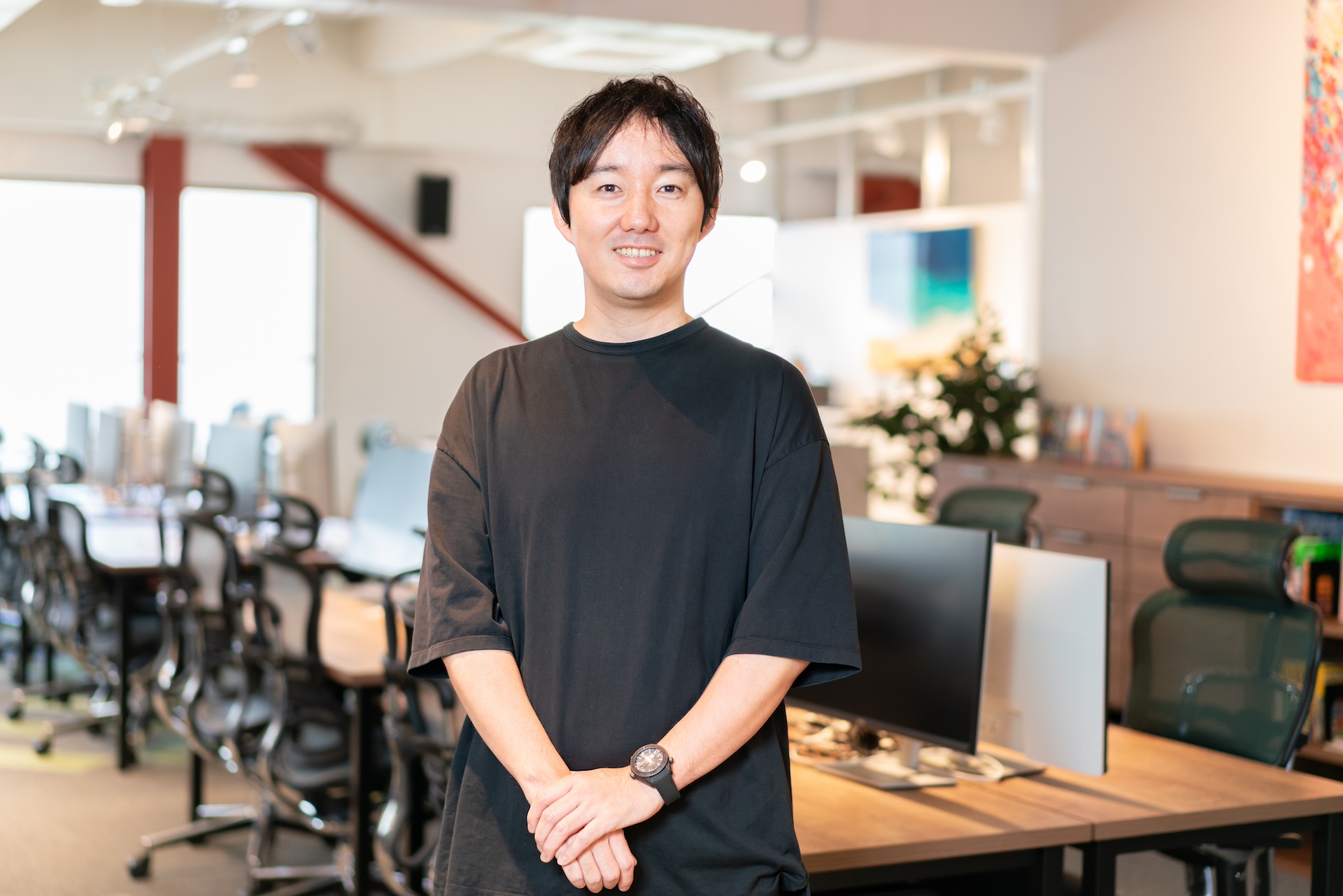
Takaya Shinozuka: “I also know how to use the money very efficiently. I saw Relux as a sales company, now I am running an IT company. Fifty percent of my staff are in engineering. Of my 49 employees, only two are non-Japanese and I want to change that. That’s why I went to India.”
Asia forms 70% of its business, with the top three destinations being Seoul, Thailand and Taiwan. Hawaii and Micronesia account for around 20%, with the rest going to Europe.
Takaya has a simple formula around the destinations it packages. “We prioritise our destinations based on how many Japanese people go there. There is very good relationship between Seoul and Japan now, so we are all in on that.”
NEWT’s packages are primarily hotel + air, tours and activities are a very small component. The length of stay is around 4-5 days and average price of 200,000 yen. Seventy percent of its customers are women aged under 29. Seventy percent of sales are made through the app, the rest on browser.
The fact that the Japanese outbound market has not fully recovered is not causing Takaya any sleepless nights. In fact, he said, “Slow is a good opportunity for us. Big companies are dependent on market size. For us, if it’s small, it’s okay.”
The surging inbound business to Japan will also help boost outbound, he said. “Right now, prices are so expensive in Japan and Japanese people cannot afford to stay in Japanese hotels, it’s cheaper for them to go abroad.”
Takaya said he has the pandemic to thank for starting Reiwa. “Thanks to the pandemic, I realised travel is my life’s work. I also saw a huge opportunity and my strategy would not have worked without the pandemic. The big travel companies had to reset, they were in a bad financial situation, they had lots of real estate, and their staff left, and they became available to startups like us.
“They had to focus on defence, and we focused on offense. We got the money, hired people and developed a new business.”
As for India, Takaya’s main goal is to hire engineers in the country. He does not see a big outbound business to India. “It’s pretty big and most Japanese people don’t have a good image of India. Myself, I was surprised how beautiful it is, how friendly the people are. Most Japanese people have a strong bias about India.”
Listen to the article here:
6 minutes. This audio was generated by an AI tool.