
Howard Ho and his team at Section L had been through hundreds of names. Agency territories, shortlists, long debates. In the end, the one that stuck came from a chatbot, late, almost on a whim.
“I was talking to Gemini, and I said, help me come up with a name that symbolises what we’re trying to build, which is this idea of belonging at scale across our brands,” Ho, founder and CEO of Section L, told me on a recent visit to Singapore. “And one of the words it gave us, in the eleventh hour, was Eave.”
He had never heard the word used that way. An eave is the part of a roof that overhangs a building’s outer walls – it is shelter, and it is a threshold. “It’s that in-between,” Ho says. “Between home and away, between individual and community.”
So Eave Hospitality it is: the new umbrella group for Section L and its sister brands. And while it was AI that found the word, almost everything else about the rebrand was done the old-fashioned way, by people in a room.
Why keep it human?
The question about having an umbrella group surfaced about a year ago. Section L, which Ho and his co-founders launched in Tokyo in 2020, had started confirming projects under new brands. Should the company stay Section L, or did it need a parent that could stand for all of them over the next five to 10 years?
They chose the latter. Then they went inward, working through what the company stood for, its core values, what had made it successful. A newly-hired group commercial head, Maria Deevoy, whom Ho described as a “force of nature”, led that process and pushed the team to dig deep. The result was a tight brief before a single name was floated.
Gensler’s Tokyo team came in after that. Its job was the brand identity – colour schemes, logo – and naming territories to explore. Ho is clear about the division of labour. “Most of the self-discovery was done in-house,” he says. “Where the agency became very valuable was creating the brand identity once we were ready.”
Could AI have done the whole thing? “I guess it could have,” he says. “But it’s always nice to talk to people when it’s about something as emotional as a brand.”
Where AI earned its keep was breadth. “AI is good at exhausting the possibilities,” Ho says. “We literally went through hundreds of different words.”
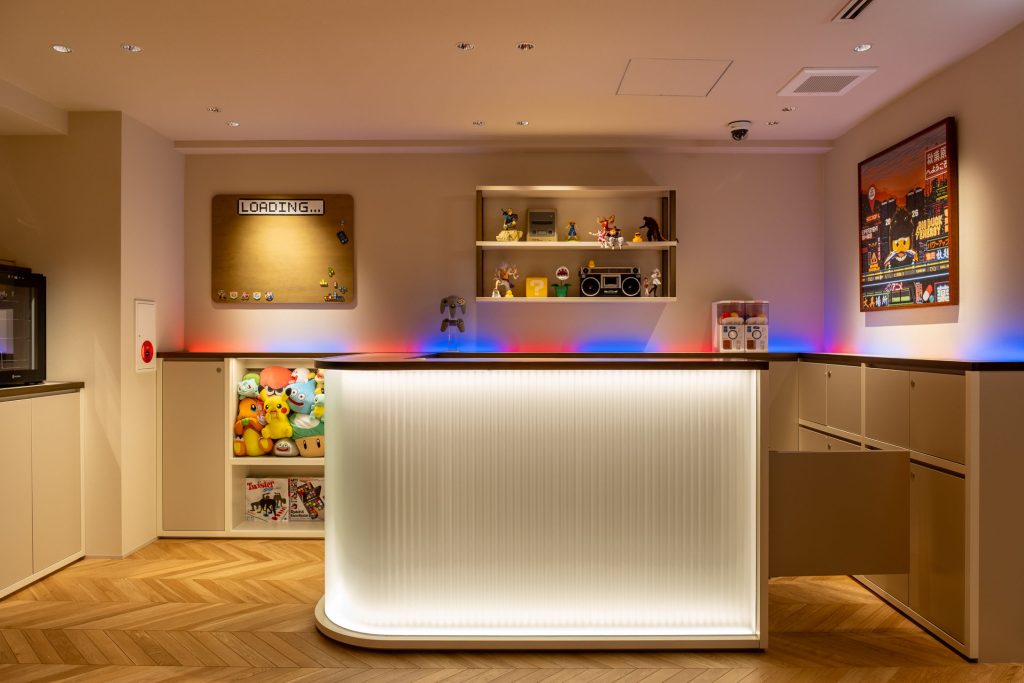
Section L Akihabara, Front Desk
Monograph: a brand that responds to the building
Two or three months after the Eave identity was locked, an asset landed that fit neither of the group’s apartment-hotel brands. Section L is midscale; its sister brand VOL. plays upper upscale. This one needed something else.
The answer is Monograph. A monograph is a deep study of a single subject, and that is the brief: every property unique in its own right, with a common anchor that can differ from hotel to hotel. “We’re responding to the building,” Ho says. It is built for conversions and repositionings – characterful urban business hotels that can be reworked into larger room formats, and eventually regional locations with onsen amenities.
It is also Eave Hospitality’s first step beyond apartment hotels. “We never want to limit ourselves,” Ho says. Section L gives guests independence – cook your own breakfast, do your own laundry. “Some guests aren’t really looking for that. They want something a little more hands-on, a little more full service.”
The first Monograph is due to be announced shortly. He sees three to five more Monographs confirmed in the next two years.
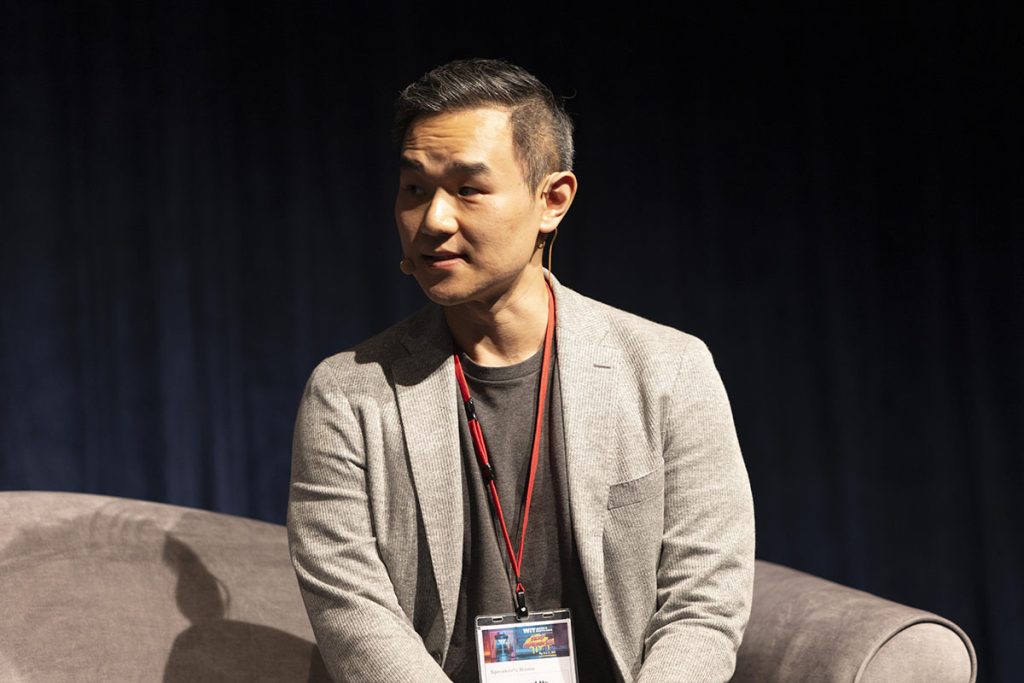
Howard Ho, speaking at WiT Japan last year about growth and reading new hospitality trends
All grown up, and looking beyond Japan
The rebrand is aimed squarely at owners and investors. “It’s mainly to show that we’re a much more integrated, much more joined-up company than we were before,” Ho says, with group capabilities across commercial, HR and finance. Put more simply: that the company has grown up.
The portfolio tells that story. Section L began with small conversions; the group now runs 14 hotels with two more underway in Tokyo. It has moved into ground-up development, with four projects announced and more to come. Those deals are taking it outside Tokyo and alongside marquee Japanese developers and investors.
The ambition is to become an APAC-wide independent group, present in the markets its guests want to visit: South-east Asia, Thailand, Vietnam. Singapore is “notoriously hard to get into,” Ho concedes, but it is on the list. For now the push stays urban, with Monograph the brand most likely to test regional and suburban destinations.
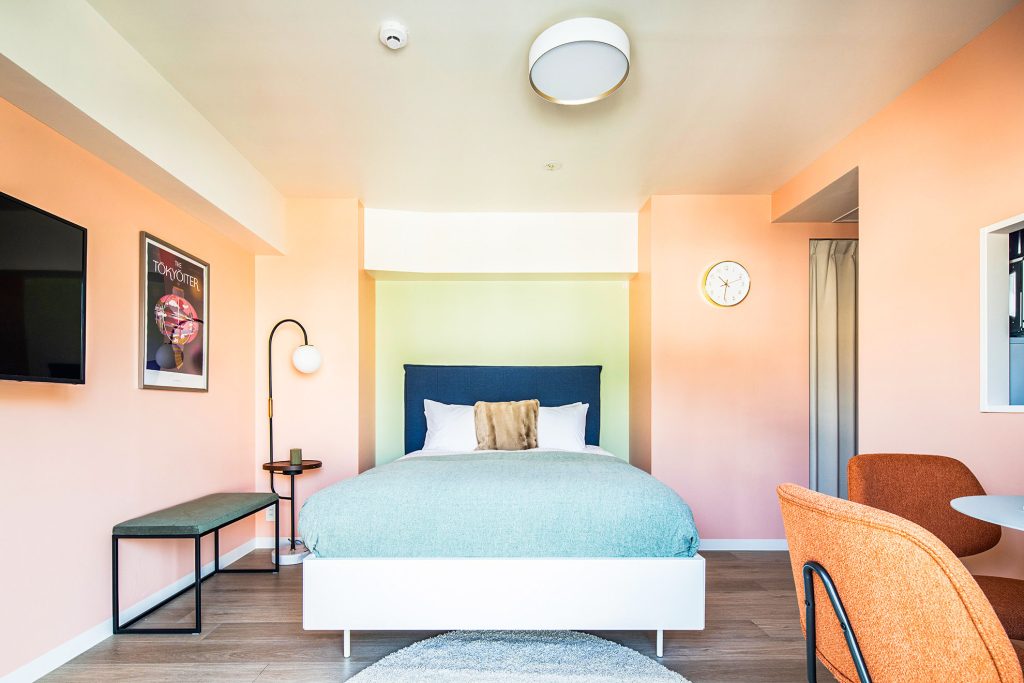
Section L, Hamamatsucho
AI at work – operations and distribution
Inside the business, AI has moved from novelty to tool. Ho says his teams are now embracing it, especially in real estate, where they have found much of the underwriting can be done “very competently” by AI. Investor proposals are another heavy use.
The operating backbone changed too. A year ago the group migrated its property management system to Mews. The gap between the old PMS and the new one was big, Ho says, and the payoff has been data visibility and connectivity – revenue management, channel management, finance reconciliation and reporting all plugged in through its marketplace. The vendor, he adds, showed a real willingness to integrate with them.
It is also reviewing its distribution strategy and is working with channel managers to widen its distribution through OTAs. As seasonality changes in Japan inbound, and as Eave expands, diversification in business sources, whether direct or indirect, is critical, says Ho.
So while a chatbot may have named the parent company, the kids are still running the show.