Scale, size and might are usually lauded in the business world, and aspirations are often built around those values. However, in such a time as this, Nicholas Clayton, CEO of the Capella Hotel Group representing a cluster of luxury hotels and resorts, is thankful to be running a relatively small chain with a “lean and efficient team”.

“We really have not had any kind of hardship decisions to make as it relates to our colleagues, our team members, and here in the corporate office in Singapore. We have a very lean and efficient team; we need everyone desperately to do their jobs because everyone is either in charge of a function or is playing an extremely important support function for the group, so we have been fortunate that we’ve not had to do anything in the way of furloughs, letting people go and so forth,” said Clayton.
“We have taken the normal commercial steps to manage the cost in a way that gives you continuity and saves jobs,” he added.
Clayton said while the impact of the pandemic was “obvious and profound” at the onset of it, he has seen some rebound especially at its China properties.
“China for us began to rebound quite early. By May, in China, our two hotels began to build occupancy relatively aggressively with the domestic market. And that same phenomenon for us has taken place in Singapore starting mid-July, when we were approved [by the government] as a staycation hotel,” he said.
He reported that Capella Singapore is running at more than 60 percent occupancy. In China, it is hitting records with our hotels, “doing historically high levels of occupancy and average rate”. In Sanya last month, it ran occupancy at 85%, and the month prior at 80%.
Ubud, Bali is struggling harder with the domestic fly market not yet reinstated. “We do see signs of increased demand in Capella Ubud, but today it still remains over double digit – 12 to 15%. We do expect that to move in October up to 20 to 25%,” said Clayton.
The report card on the development pipeline is looking fairly healthy as well. Aside from some disruptions to the supply chain, and therefore having a delay of some months, Clayton said Capella’s development plans are forging ahead.
“In fact, we have seen over the last six months, just as much business development opportunity as we did pre-COVID, which is unusual,” he said. “We’ve had great success with some opportunities in Japan. And we’re looking at several interesting propositions for a project in Sonoma in Northern California. We are also looking at other projects in Antigua and Yangon,” he said.
“We’ve not seen tremendous fall off or any massive changes in regards to our growth strategy,” he added.
Shifting focus and strategies
What has perhaps changed more are sales, marketing and product strategies. Besides making those adjustments, having to just focus on the business that’s available (that is, the domestic market) has also meant making a slight shift in view of the core product offering. No longer just a place for room and board but rather a hub of activity, Capella labels itself as being in the entertainment business.
“We call it programming – the things you offer people to do during their stay that goes beyond the guest room, the spa the pool and the dining – those are the obvious amenities that people enjoy in leisure hotels, but we believe that it’s so important to entertain our customers in a different way, and to offer cultural activities related to music, food and beverage. We want to collaborate with some of the local talent to do things like ecological painting on canvas, DJs by the pool – all in an attempt to entertain.”
He said if previously people were inclined to visit nearby attractions and participate in activities outside the hotel, now, guests feel more secure and safe to remain at the hotel.
Clayton believes that some of these new customer needs and demands will stay and that means the hotel product could also evolve.
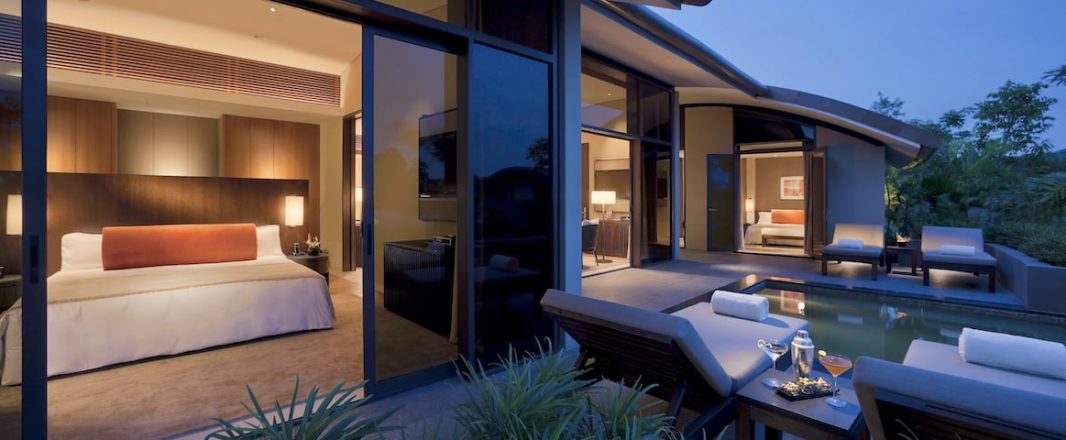
“We definitely have seen a greater demand for individual units, oversized guest rooms, suites, villas, manors. People are willing to pay more to create some degree of exclusivity for them and their families. They would prefer not to be in small boxes,” said Clayton.
“I think there’s obviously some food and beverage and spa-related protocols that add just an extra layer of protection for guests may still be with us over time, going forward. I could see therapists being masked on a go-forward basis; the way we design hotels in terms of spacing in general, for example, will have a little less density, more generosity,” he added.
However, in general, Clayton doesn’t believe service will look much different.
“Right at the start, we really didn’t know, come May, how people would respond, what they would be concerned with, how they want to receive service and so forth. But frankly, our guests are not really demonstrating any particular concern about our protocols. They have been very cooperative and understanding.
“So other than recognising people’s personal space, and giving people the option for contact-light service, all else remains the same: being gracious, being welcoming, thinking about what people want and trying to deliver it before they ask for it. Great service hasn’t changed that much,” said Clayton.