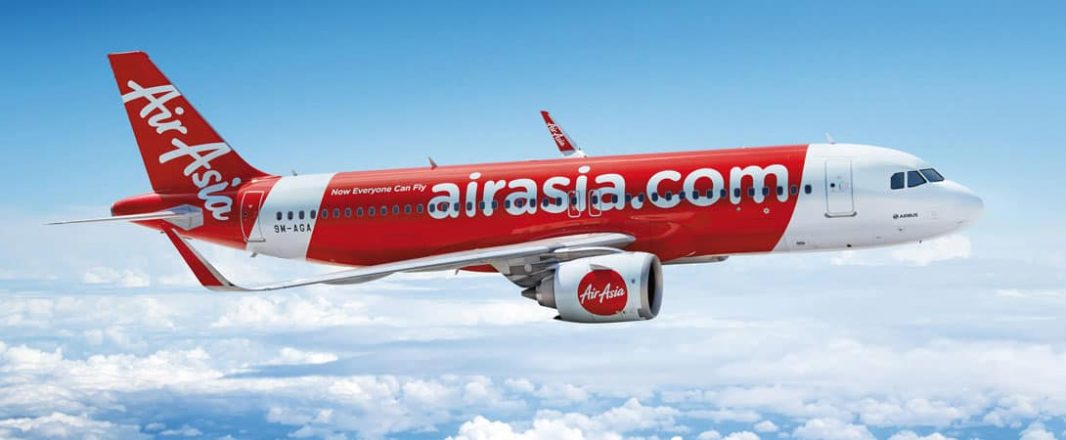
AIRASIA Japan, a unit of Malaysia-based AirAsia Group (33% stake), which shut down its operations October 5, filed for bankruptcy on November 17.
The airline, in a filing with Bursa Malaysia (stock exchange of Malaysia), said it was “due to insolvency resulting from a demand slump in travel induced by lockdown restrictions related to the coronavirus pandemic.”
Meanwhile, media reports said the group may be reviewing its investment in AirAsia India and could exit the country. The airline is a joint venture with Tata Sons holding 51% stake and AirAsia Investment Limited the remaining 49%. Sources quoted by the Times of India said Tata Sons’ parent is in discussions to buy the Malaysian group’s stake.
AirAsia acknowledged in a statement that its operations in Japan and India have been draining cash, “causing the group much financial stress.” According to a report in Nikkei Asia, AirAsia Japan reported a net loss of about 4.7 billion yen on revenue of about 4 billion yen for 2019.
Commenting on these developments, AirAsia Group president (airlines) Bo Lingam said: “Cost containment and reducing cash burns remain key priorities evident by the closure of AirAsia Japan and an ongoing review of our investment in AirAsia India.”
Despite these setbacks the group remains “confident of returning stronger, more robust and faster than many competitors in this new world of travel.”
Lingam attributed this optimism to positive developments on travel bubbles already being formed in Asia (like the Singapore-Hong Kong bubble going “live” on November 22) and numerous Covid vaccines in near final stages of testing.
“The general outlook is that air travel will be bouncing back real soon; we expect to get back to pre-pandemic levels on many routes across the Group by mid-2021, if not earlier.”
Lingam stressed that air travel is essential for the world’s economy, and AirAsia is already seeing strong signs of recovery in its key domestic markets where there is much pent-up demand.
“AirAsia’s domestic services in Thailand, for example, are already at close to 100% of pre-Covid capacity levels and there are similar strong positive signs from across the AirAsia group including in Malaysia, Indonesia and the Philippines, indicating that forward bookings for future travel are already on the rebound in our major markets.”
Lingam said that with a network of over 160 destinations across Asia and the Pacific, AirAsia is well positioned in the aviation travel market to recover faster than many other airlines.
“A real bonus point is that the majority of our major international markets that are also tourism hotspots like Thailand, Singapore, Australia, Korea, Indo-China and Taiwan are coping extremely well with the pandemic and they are very likely to reopen borders first. ”
The group would continue to work with tourism and airport partners to stimulate domestic air travel, while discussing the formation of travel bubbles with low risk international destinations, Lingam disclosed.
The group’s non-airline business is faring well too despite the pandemic. Its logistics venture Teleport has “grown significantly”, as is its Kuala Lumpur restaurant Santan offering in-flight meals on-ground. Plans are to set up a dozen Santan outlets in Malaysia by December, followed by other Asean countries next year.
Digital pivot a game changer
Aireen Omar, president of airasia Digital, said the pandemic presented the airline with the opportunity to fast track its super app project, which started three years ago, .
The recent launch of airasia.com super app saw the pivot of AirAsia from just an airline into a one-stop travel and lifestyle platform offering shoppers deals that include AirAsia and non-AirAsia flights, hotel bundles, duty free merchandise, health and Islamic services.

In another development, airasia Digital’s fintech arm BigPay, which aims to be ASEAN’s first digital bank, has been granted a community credit licence by the government of Malaysia. This enables the business to offer a wider range of financial services including micro-credit to lower income and unbanked segments of the community slated for early 2021.
“The development of our digital and non-airline revenue business divisions is definitely a game changer for AirAsia. We are highly optimistic that airasia Digital’s ventures like Teleport, BigPay, BigLife, Santan and the airasia.com super app will break even in 2021, paving the journey to profitability by 2022,” said Aireen.
The group said that its third quarter 2020 operating statistics also showed its path to recovery is underway. There were strong improvements from every domestic airline in the across many key metrics in comparison to the preceding quarter. These include a 36% increase in passengers carried by AirAsia Malaysia, 79% increase in passengers carried by AirAsia India and an increase of 65% of passengers carried by AirAsia Thailand. (Full 3Q2020 financial results)
• All images credit: AirAsia