.jpg)
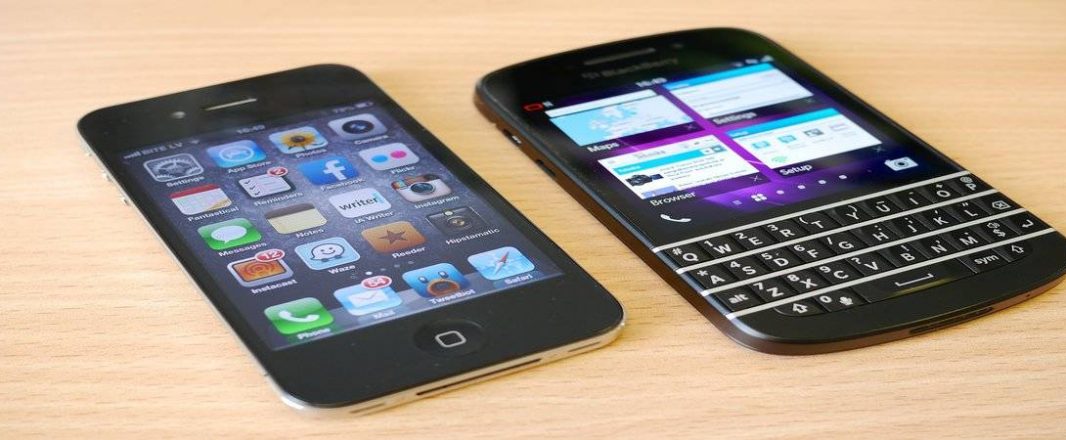
It started when Brett Henry (left), vice president of marketing of Abacus International, declared that Blackberry users were like smokers. “They know they need to quit but they can’t.”
Longterm, Henry believes the Android platform will prevail and of course, he is a believer in the iPhone and iPad as well.
Then Morris Sim, co-founder of Circos Brand Karma, sharing some key trends in social media, called on the audience of mostly hoteliers to rethink their distribution strategy now that social media has become “everywhere and everyplace”. .jpg)
Specifically, he asked them to review their thinking about the OTA model.
Here’s his rationale. Mobile computing devices were becoming cheaper and more powerful. “People are now connected all the time, always on, and it’s an affordable reality to everyone,” he said.
What this means is that “people are producing content all the time, and it’s going to be about your brand and every time your brand is mentioned, it’s a distribution point for you”, he said.
Think of the classic OTA strategy as an “encapsulated service”, he said. Sites like Expedia allowed people to search and browse, compare, transact and then return to share ratings and experiences.
But with the coming of the mobile device, each of those points can be served by anyone. For example, you can search and browse on Google and Bing, you can compare using Google Places and TripAdvisor and you can transact on your own websites.
“If you have rate parity, this can work well for you and you don’t have to pay commissions,” said Sim.
He called for a “dismantling of the encapsulated OTA experience” by looking for other partners that can lead customers to your own website.
“In the past, it was extremely expensive to get your brand out there and get people to come to your own website but what if people are talking about Dusit Thani on TripAdvisor and you have a business listing or a Facebook fan page and you put a booking engine in there?”
He said he would take a bet that between 3-5% of traffic for branded websites were already coming from Facebook.
“Pay attention to this space,” he said. “Every transaction that you can save from Expedia is pure profit that you don’t have to pay.”
Responding to Sim’s comments later on the panel, Henry said that “this whole idea of direct selling, to drive a lot of cost savings through a direct strategy” is “bull****”.
“Yes you got to have a kick*** website but acquiring traffic from Google and Yahoo is expensive.
“The return on investment from social media is a longterm play – an 18-month timeframe. I agree that playing and planning in this space is critical and great leaders invest in the future.”
Later, speaking to Eric Hallin, general manager of The Rembrandt Hotel, Bangkok, who was also on the panel with Henry, he told me that OTAs were still the biggest generator of traffic to his website. Incidentally, Hallin has developed an iPhone app for his hotel but admits it has limited use at the moment and it might be better for an individual hotel to focus on a mobile-specific website first. “But we wanted to try and test it.”
On the panel, Hallin said the AirAsia app was “most brilliant” and he referred to Malaysia Airlines’ putting a booking engine on Facebook which enables you to “see where your friends are seated”.
So what’s it to be for you? You ready to quit the Blackberry or the OTA yet?