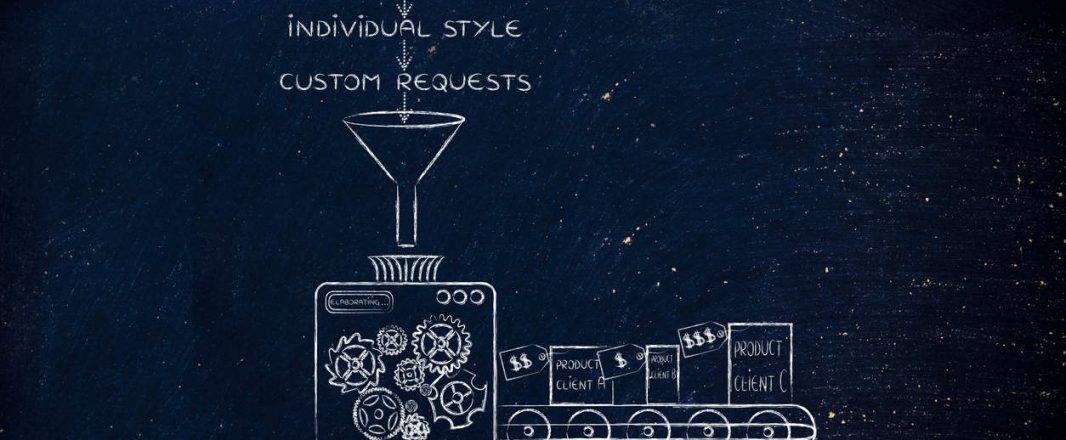
While it seems personalisation has generated significant buzz for a long while already, it nonetheless is a strategy in the hospitality industry that still leaves a lot to be desired — especially in the hotel booking process.
Personalisation can begin along many of the touch points in a traveller’s journey. It can be about offering individualized travel content on mobile apps, service requests at the hotel, or even sending a note of thanks, post-trip. Tailoring guests’ on-property experience, perhaps with a personal greeting at check-in or stocking the customer’s favorite beverage in the minibar, requires a lot of training and attention from management.
However, of all the ways to personalise touch points, the most overlooked one could be creating a customised booking experience. And because not many have gone down that path of personalisation, it could bring a hotel significant upside against its competitors.
Advances in technology are adding more moving parts to the challenge of personalisation, and more data is being churned out. According to a 2016 Deloitte study, 2.5 billion gigabytes of data are created daily, although only 0.5% of that information is being used meaningfully.
Newer analytics systems on the market can aggregate demographic, persona type and spending data to help hotels determine what kinds of offers, packages and upsells to give a new customer when that person is searching the property’s website.
Think about how easy placing your usual pizza order is on a mobile app. Why wouldn’t frequent corporate travellers want to book and shop for hotels the same way they automatically reorder their favourite pizza for dinner on Fridays? That same road warrior who has always chosen to stay at the queen room on the executive floor of your hotel should always be served that room type with the same amenities at the top of the sort order. And a personalised room rate would be the bonus.
Why is personalisation so important? Are loyalty point programmes not enough to reward customers and entice them to, well, stay loyal? The truth is millennials don’t care much about points — they want instant gratification. They are also brand-promiscuous, favouring brands that deliver better customer service at every point of contact.
According to a recent retail study by Deloitte, 86% of buyers would pay more for a better customer experience. In that same study, 87% of respondents felt that brands need to put more effort into customer service. By 2020, customer experience will be more important than price and product to consumers, the report found.
That customer service can begin at the first point of contact — the booking process — and can be heightened by personalisation.
Hotel companies like AccorHotels are already on the grid where that’s concerned. Accor’s acquisition of Travelsify was a first big step to personalise its interactions and connections with customers. Through Travelsify’s technology, Accor now uses MoodMatch software, a completely new search experience based entirely on the moods and experiences sought by travellers. Accor determined the “DNA” of around a thousand hotels from its brand portfolio and its roster of independent properties that partner with Accor for distribution. Potential guests can then select “Inspire me” as an option on Accor’s direct-booking channel to be matched with a hotel that fits the experience they’re seeking, regardless of the destination market.
When you are able to make your customer feel like you truly understand what they want at the point of booking, it immediately boosts the impetus for them to book directly with you. While you might be willing enough to pay an online travel agency to acquire a new customer, you may not want to do so for subsequent bookings once the customer has entered your property.
Personalisation is about not giving consumers any reason to book outside your system the second and third time around, meaning you don’t have to sacrifice profits to “re-acquire” those guests every time.
Of course, this age of personalisation — and some would even say, hyper-personalisation — can cost you. But don’t let that stop you or scare you away. Start with small steps and don’t attempt to do this all at once. Decide if you want to first personalise marketing messages, service while customers are on property, or pricing when they are looking to book a room. Pick one and move from there.
Technology to aid with the process is out there already. Hotels really need not reinvent the wheel. Look at working with key technology suppliers, from startups to OTAs or tech giants like Amazon, that are focused on bringing personalisation to hospitality. If your partners can help you drive a customised experience online, it is imperative your staff delivers on that promise by offering stellar service on property.

Patrick Bosworth
Patrick Bosworth is CEO of Duetto, a San Francisco-based revenue strategy technology company.