
As hotels become more commoditised through price-led distribution, it is even more essential to differentiate and general manager of Hotel ICON, Richard Hatter, spoke about how the hotel’s positioning as a “laboratory” has stood it well in a competitive market like Hong Kong.
Speaking at the WIT Hospitality conference in Hong Kong last week, Hatter shared the story of the seven-year-old hotel and its relationship with The Hong Kong Polytechnic University and its School of Hotel and Tourism Management (SHTM).
Beyond providing high quality services expected of a luxury hotel in Hong Kong, Hotel ICON acts as a “laboratory” and “learning environment” for hospitality students.
Being a ‘teaching’ hotel, Hotel ICON is able to experiment and innovate faster than other hotels, said Hatter, who spends 25% of his time being a lecturer at the University.
By treating the hotel space as an educational “laboratory”, it allows students to try different approaches to see what works and what doesn’t within the current market.
In that sense, failure is regarded as more of a learning opportunity than as damaging to the hotel and its brand.
For example, it runs a “Room Of The Future” project where students are asked to reimagine the future and guests are invited to view the exhibits. Customer feedback is thus gleaned on-the-spot and that influences the development of products and services of the hotel.
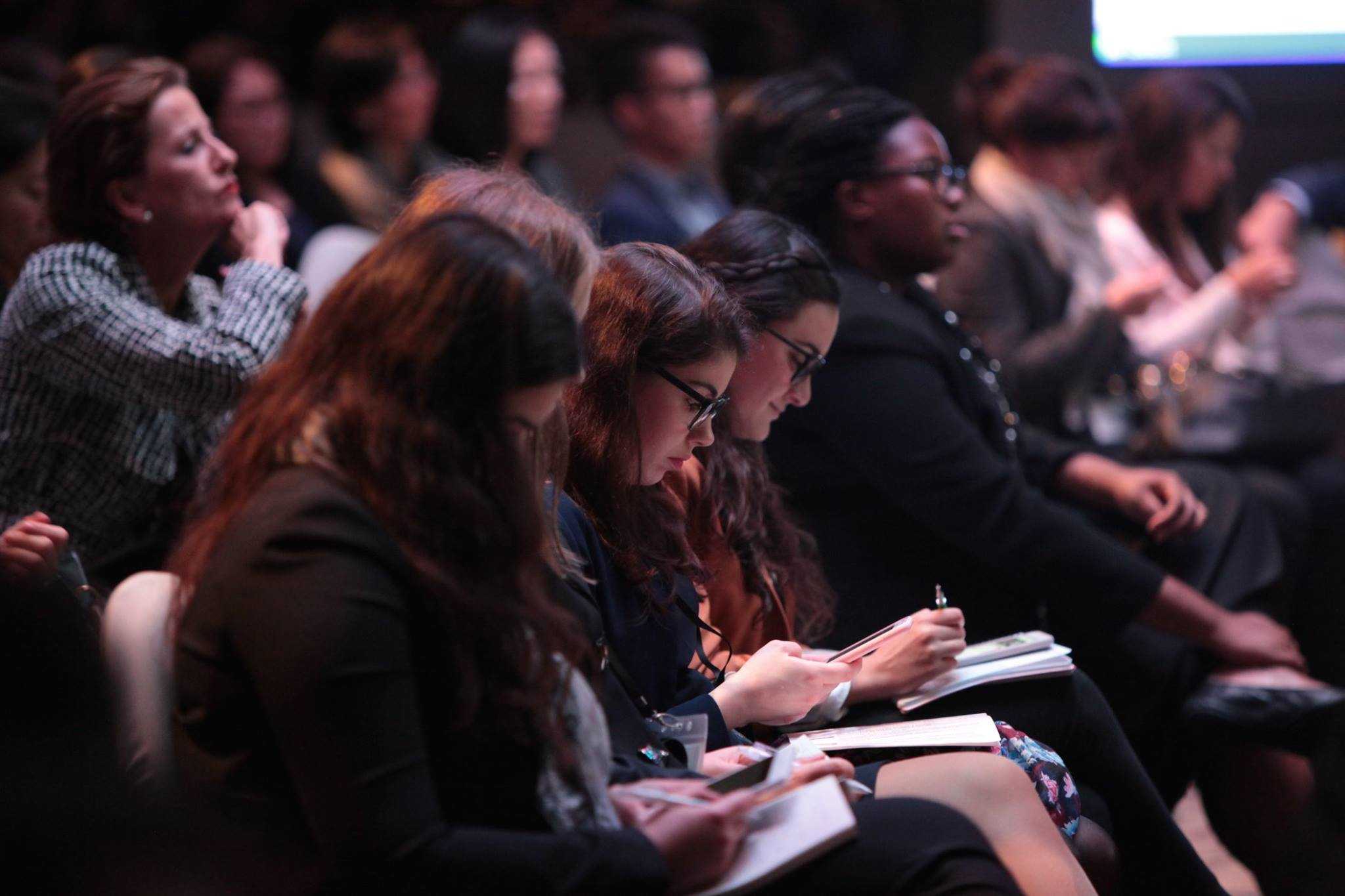
Students from the School of Hotel and Tourism Management (SHTM)
For instance, Hotel ICON has “stripped back the fluff people don’t necessarily pay attention to anymore”, said Hatter, for example, the placement of a chocolate on the hotel pillow.
Instead, rooms are designed to provide virtually everything a traveller needs, from office supplies to a “Handy” smartphone with an unlimited data plan. To build customer loyalty, it focuses on curated offers, for example, allowing guests to create their own “benefit package” that caters specifically to their tastes.
The hotel is currently developing a loyalty programme and building a CRM solution that will enable it to increase its direct share of brand.com business.
Hotel ICON also differentiates itself by aligning itself with events whose content speak about innovation and to the future. This is why it partnered with WIT to present this first WIT Hospitality. It has partnered other events in areas such as revenue management and IT innovation.
In general, guests like the fact that they are supporting a hotel that is about innovation and young talent. In the beginning though, Hatter said there was some resistance from Asian travellers who thought they should get cheaper rates because they were being served by students. This, he said, was changing with a new generation of Asian travellers.
Western travellers, on the whole, got behind the cause from the start. That is why Hatter stresses the importance of “starting with a very clear idea of who your customer is”.
If he were to create a new hotel, Hatter said he’d follow a similar model to citizenM as it also gears to a very specific market of customers that are aware of and “appreciate what the brand represents”.
It also consistently ranks highly on customer service, despite having virtually no staff (as everything is automated).
Getting the concept and product right is one thing, communicating it is another, and Hotel ICON has largely relied on ‘word of mouth’ and does not spend any money on print advertising.
It helps too that the body of young, passionate students (whose average age is 26) are responsible for creating the content that drives the hotel’s reputation. In discarding the traditional ‘rule book’ and with staff being encouraged to share their experiences openly, Hatter believes it fosters a more confident and sociable team of employees that no longer have a “fear of the customer”.
The success of the seven-year-old model means that Hotel ICON is being asked to consult on similar hotels from Singapore to London, said Hatter.
For instance, the Hotel Future in Oldham, Manchester also doubles as a national hospitality academy, with students taught through a combination of structured courses and on-the-job training.
“It’s a model that works for shareholders, for customers and for future talent for the hospitality industry,” he said.