Instagram, which was created by Kevin Systrom and Mike Krieger and launched in October 2010 as a photo-sharing and, later, video-sharing social networking service (now owned by Facebook that acquired it in 2012 for US$1 billion), has become one of the world’s largest social media platforms.
According to business.instagram.com, the service now has more than one billion monthly active users (MAUs) as of June last year, up from 800 million MAUs in September 2017. Worldwide 500 million+ Instagram users are active every day, 100 million+ Instagrammers watch or share on Live daily, 500 million+ use Instagram stories every day and 80% of accounts follow a business on the platform.
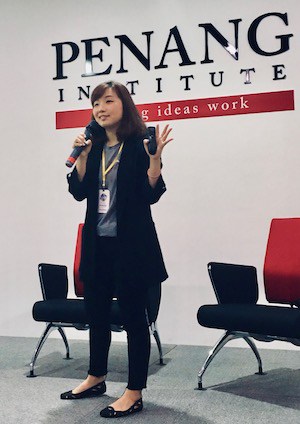
Yen Teng Chow: “Travellers are huge Instagrammers.”
With such sheer numbers, it is no surprise that many travel brands are turning to the service to capture savvy shoppers. Their ability to do so is made easier with the introduction of “stories” in August 2016 – a secondary feed of content that is available for only 24 hours from the time of posting.
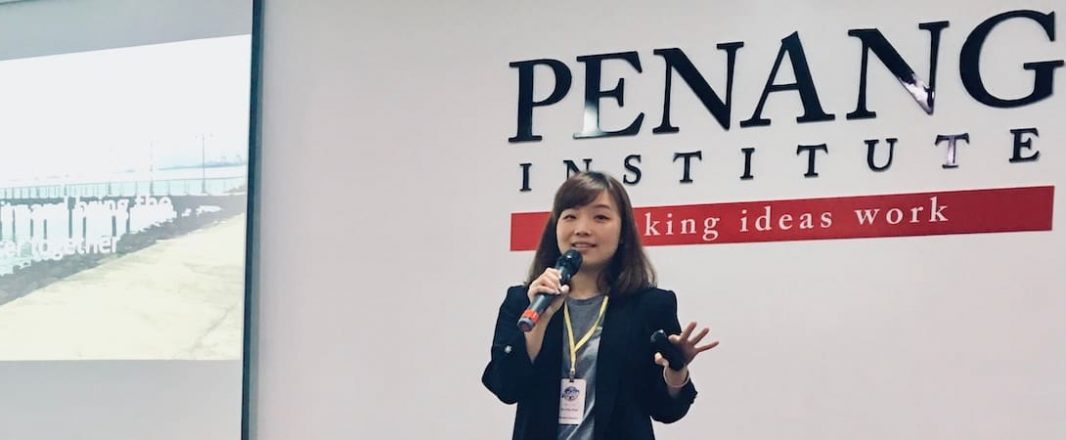
“Stories is where people are spending time as it’s ephemeral, interactive, creative and fast,” said Yen Teng Chow, client partner of Facebook, Malaysia, who spoke on the power of social and videos at WiT Indie 2019 held at the Penang Institute last month
With stories, she said, one in three stories get a direct message and 60% of people who watch them turn the sound on to understand what’s going on in the video.
Users are motivated to stay in Instagram (also known as IG or insta) because sharing stories and pictures is such a basic human need, Yen said. Travellers, especially, are huge instagrammers with 54% of vacationers say they have used the social platform in the past month.
Instagrammers are also active communicators. The hashtag #travel was used more than 255 million times in 2018, while a million unique users search for travel related hashtags on Instagram globally in a typical week.
“Six out of the top 10 accounts that travel Instagrammers follow are travel brands,” Yen revealed.
She disclosed three trends businesses are doing to maximise their presence on Instagram:
- Build video first. “People are more inclined to watch and are more interested in videos,” said Yen
- Instagram stories – think on ways to leverage on this platform that has taken over the feed.
- How to reach new customers with ads
“There are many ways stories can go live and a number of businesses are doing that, especially fashion brands, which are introducing their products via videos,” said Yen.
She used as an example fare aggregator and travel metasearch engine Kayak. By leveraging short form videos, it was able to reach about two million travellers.
What if you want to tell a longer story than the video permits? Then IGTV is the answer. Launched by Instagram in June last year, it is a standalone app for watching long-form, vertical videos. It allows users to upload videos up to 10 minutes in length or up to 60 minutes if you are verified or popular. Its basic functionality is also available within the Instagram app and website.
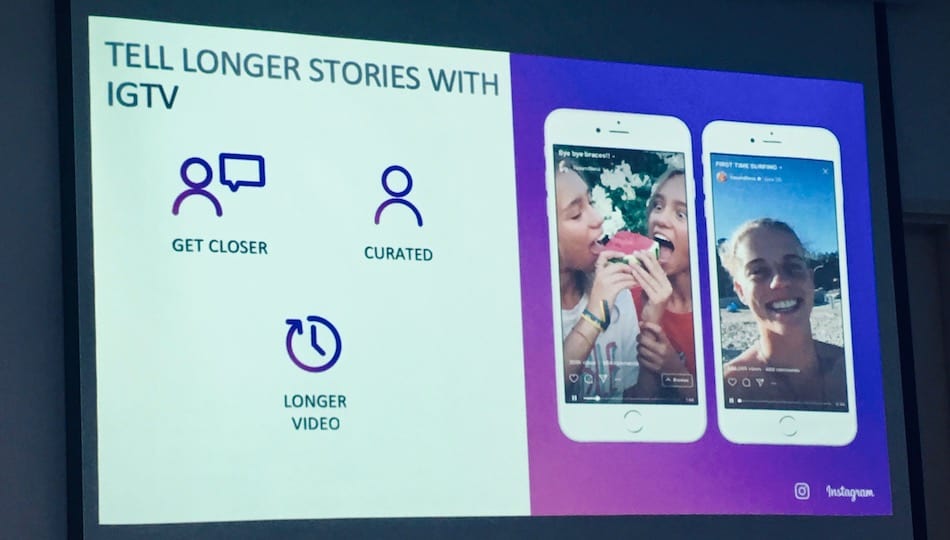
“Many brands want short form videos to get attention but they also want to share behind the scene and longer stories. IGTV now allows them to do that. What many marketers do is they upload short videos and link them to IGTV to watch the full video,” said Yen.
She stressed that videos need not have to be professionally produced, but with longer form videos the content has to be more creative compared to the shorter, edgier ones.
“The most important thing is you need to be able match people’s passion. People like to connect with businesses that share the same passion as them. About 80% of Instagrammers actually follow a business, 75% take action after being inspired by a post, and 60% learn about products or services through Instagram. This is how connections between people and business happen directly on Instagram.”
On how to cut through the clutter if everyone is using videos and IGTV to boost their brand, Yen said there are tools to ensure the brand’s creativity stands out. She cited as an example Facebook Blueprint eLearning – a series of free, self-paced online courses to help businesses market more effectively.
“Make sure your brand presence and your video is understood. The first three seconds of a video really matters, as there’s a huge drop-off after that.”