Flying across from Cardiff to Berlin via Amsterdam over the weekend of the Brexit negotiations made me mindful of how fragile and uncertain the social, political and economic landscape of Europe is.
As I read the headlines – how the Europeans have agreed to the Brexit deal and now Prime Minister Theresa May has the daunting task of getting it past her own government – it made me think of two dogs fighting over a bone, and I wonder how much of that bone will be left after all this is over.
Such was the mood of uncertainty too that prevailed at the CAPA Aviation Summit held in Berlin this week. No one quite knows how Brexit will affect aviation – some hazarding a guess that whatever deal is passed, it will take at least two years anyway for things to fall in place while others just confessed to an outright “I don’t know”.
What’s clear is that aviation is completely at odds with the current zeitgeist gripping the world. Governments have become increasingly protectionistic while the very lifeblood of airlines depends on open borders.
The fact that I could fly on Scoot direct to Berlin without having to go via Frankfurt or another point is a testament to the good airlines can do in an open market. (I, for one, hope Scoot can make a go out of these low cost long haul routes.)
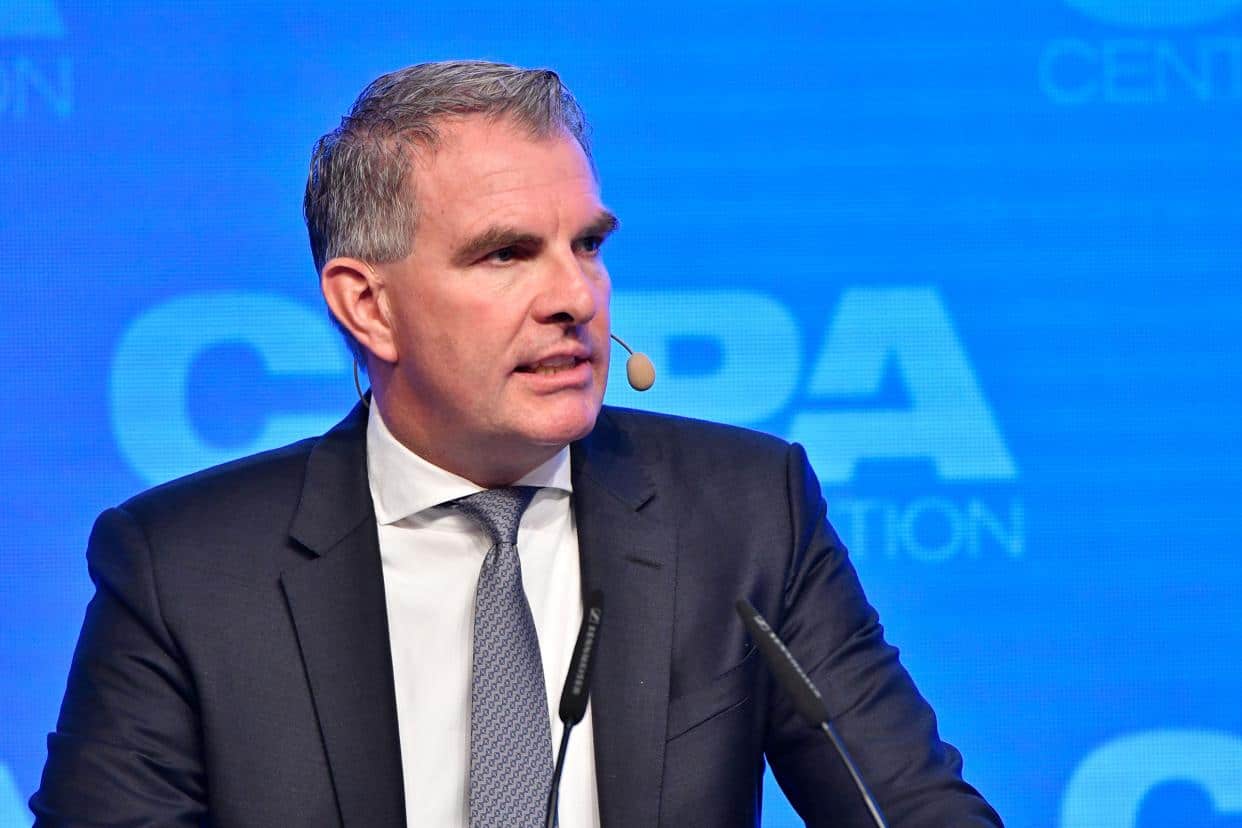
Carsten Spohr: “We are the good guys and we need to shout about it more”.
Berlin is a good example of globalisation, said Carsten Spohr, chairman and CEO of Lufthansa. Imagine, he said, Lufthansa now operates four daily flights to Beijing. “Asia Pacific has, due to globalisation, become the centre of global aviation.”
He said that amid the growing dissent against globalisation – “and the financial industry has to take some of the blame for that” – airlines should shout more about the fact that “we are the good guys”, connecting as they do people, markets, countries. “We have more than 4,000 flights connecting Europeans.”
Certainly, after more than three and a half years of challenges and struggles, Lufthansa has emerged as the good guy in aviation. Facing taunts from Middle East carriers which were declaring they were the future and that legacy airlines like Lufthansa were in trouble, plus those 29 days when the entire fleet was grounded, and that it took three and a half years to resolve issues with pilots, Spohr said he was glad “those days are behind us”.
“Our job is to make sure our company is fit enough to play in the global league. All we are asking for is open and fair competition.”
Too many airlines in Europe, expect more consolidation and innovation
There was agreement at the conference that there were too many airlines in Europe. “Six airlines went bankrupt and consolidation will increase,” said Spohr.
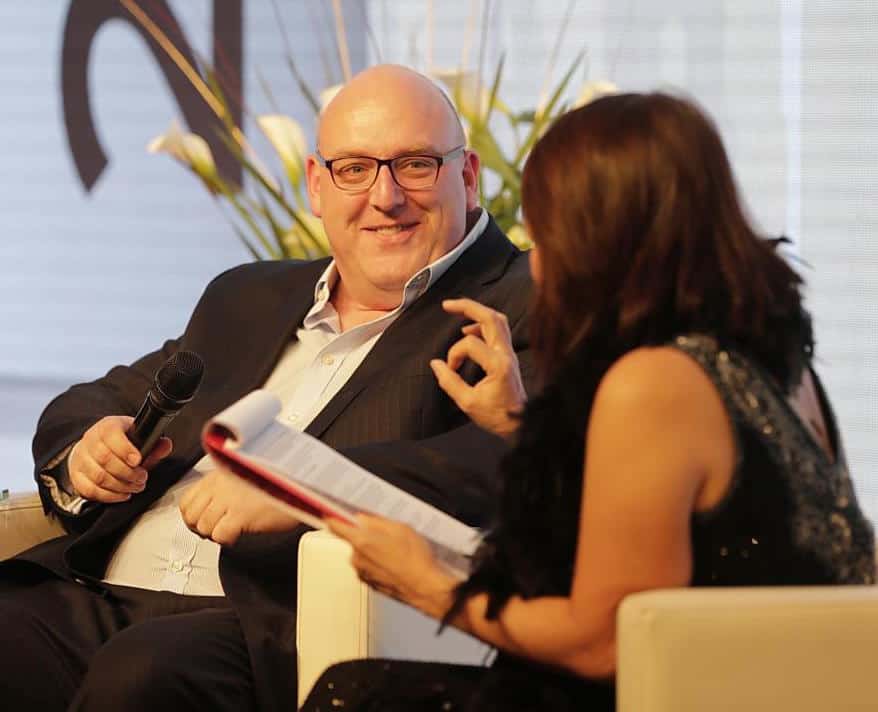
Vincent Hodder, LEVEL, Airline Startup of the Year: Exciting innovation being seen in Europe.
Pat Bryne, CEO of CityJet which won CAPA’s Regional Airline of the Year, in CAPA Aviation Awards of Excellence 2018 said it was impossible for a small regional airline to survive in Europe. Hence his company’s pivot from a branded operation to a wet leasing model, and its acquisition of Blue1 in 2015 and Cimber Air in 2017, both from SAS. In July this year, it pursued further consolidation by announcing a proposed merger with Air Nostrum that would create Europe’s largest regional airline.
There’s not only competition from the mighty – like Lufthansa – but new groupings such as the IAG Group whose LEVEL won Airline Startup of the Year. In a period of intense competition, airlines in Europe are innovating, said Vincent Hodder, CEO of LEVEL, which is bringing in a new airline management model to the market.
While Spohr said the future was about airlines who do more than fly, Hodder, who joined LEVEL last July from FLYBE, said the airline of the future will have to do less flying and more of everything else.
He observed that “disruptor brands” such as Uber and Amazon tend to come in from the outside to do things differently, which is what LEVEL intends to do.
He described LEVEL as “more than just a start-up airline brand, it’s a new concept that uses technology to provide customers with control over the way they travel and has the lowest possible costs”.
As tech adoption picks up, humans become the pain point
As a traveller here, I can certainly feel the difference in how airlines are adopting technology to make operations more efficient and to improve the customer experience (beyond the seat). Flying KLM, you hardly need to interface with humans. I used the automatic check-in kiosks, tagged my own bags and scanned boarding passes through immigration.
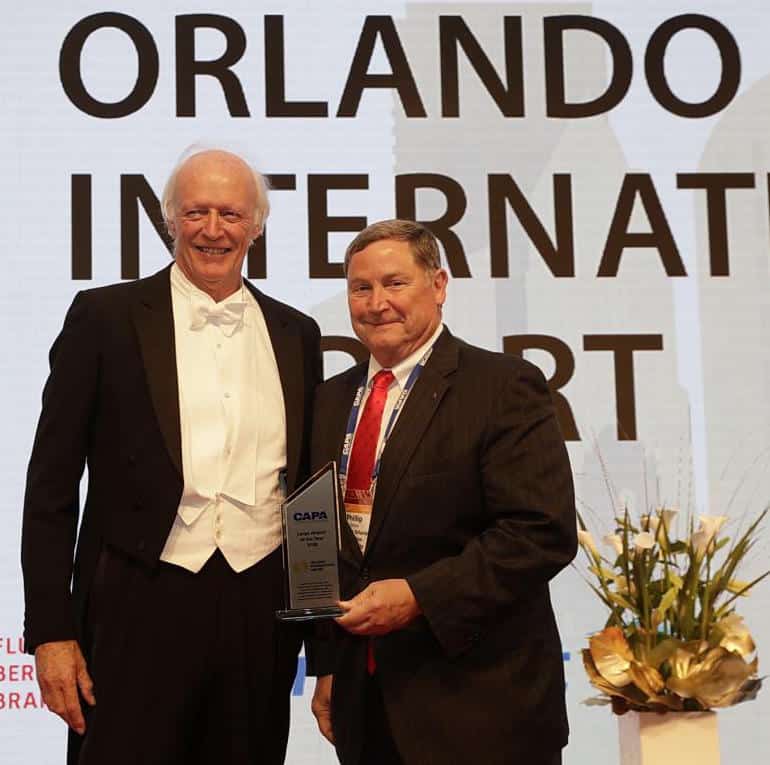
Phil Brown, Orlando International (left) with Peter Harbison, executive chairman, CAPA: “We need humans who know about customer service.”
The failure is at the human level – because you still have to go through security and immigration officers, the queues build up, ironically because the machines are so efficient that they are processing more people at one time than humans can handle.
It happened to me on my recent flight to Los Angeles via San Francisco when passengers could scan their passports with at least 10 kiosks but then got caught up in the queue because there were only two humans at the counters. Needless to say, I missed my connection.
Phil Brown, CEO of Orlando International, the first airport in the US to implement the Custom and Border Protection’s biometric entry and exit programme for international travellers, said the challenge was not only to find humans “but humans who know about customer service”.
His airport, which won the Large Airport of the Year award, will handle 50 million passengers in 2019 and he said, beyond biometrics, it was working on baggage tracking technology to improve the customer experience.
Certainly communications have improved. KLM makes good use of messaging to notify you of flight times and gate changes and when I booked a shower room at its lounge, I was notified of my turn via Whatsapp.
Masochistic, crazy or foolish, but never rich
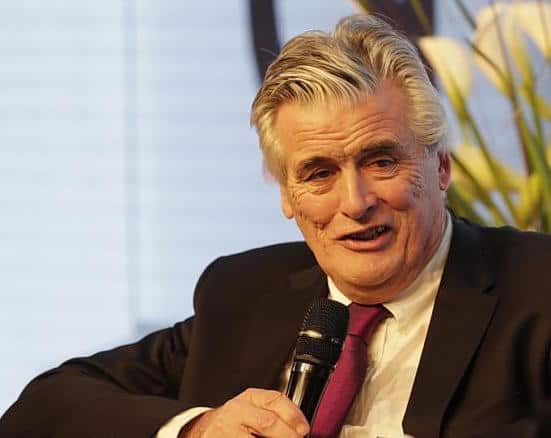
Pat Bryne, CityJet, Regional Airline of the Year: “I am a fool.”
One thing you’ll always hear at airline conferences is how tough the business is and how everyone else makes more money than the airlines themselves. Even Spohr, commenting on the fourth pillar of Lufthansa’s business which is catering and maintenance, said it’s learnt that it can make more money working for airlines than working in them.
So executives tell you that you have to be either masochistic or insane – as CityJet’s Bryne did when he said, in accepting the award, he would not have founded the airline back in 1993 if he had known how tough it would be.
This is an executive who knew nothing about airlines including “how to get a licence”, left the airline in troubled times and returned with a group of investors to buy back CityJet in 2016.
Asked if he felt like a comeback hero, he said, “I am a fool.” But clearly one who is “Fuelled By Belief”, the title of the book he wrote about his airline career.
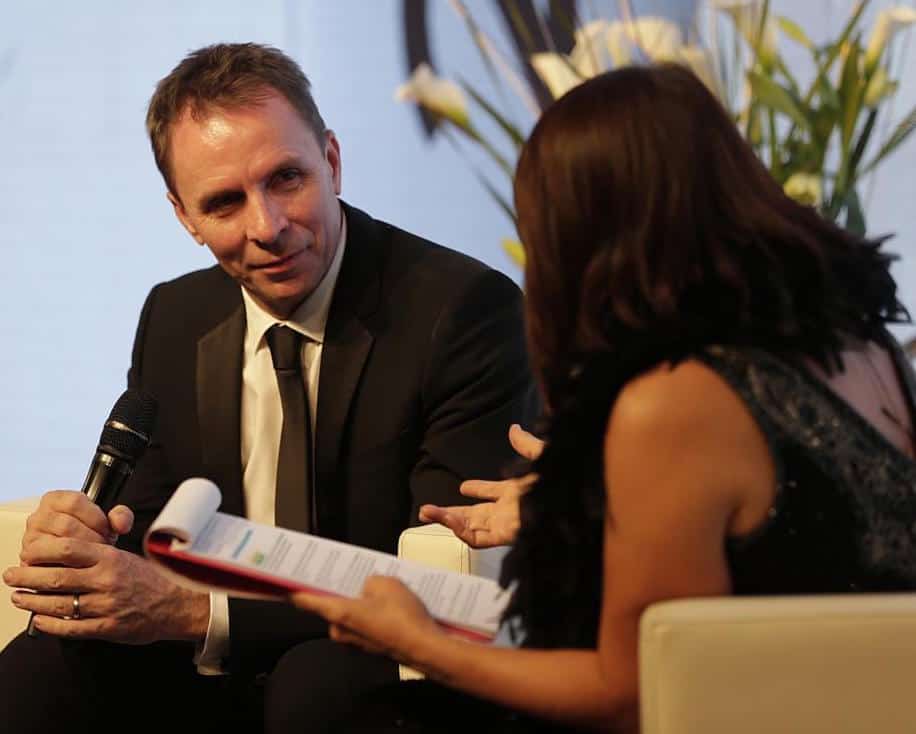
Joszef Virada, WizzAir, Executive Of The Year: “I just did the opposite of what was being done, it was easy.”
Joszef Wirada, CEO of WizzAir, who won CAPA Executive of the Year, also came in from the outside and it was knowing nothing about airlines that gave him the advantage, he said.
Coming into Malev Hungarian Airlines in 2001 as CEO from Procter & Gamble, he quipped, “I just did the opposite of what was being done, it was easy”.
He co-founded WizzAir in 2003 and has grown it to become the largest in Central/Eastern Europe, carrying over 34 million passengers per year with a fleet of 105 aircraft.
Operating as an ultra-LCC “where we charge almost nothing for the fares”, his airline is able to achieve 42% ancillary revenues. It also now has more aircraft on order, 264, than any other airline in Europe.
Behold the fourth stakeholder – the environment
And as though the intense competition, plus the mounting pressure to reduce costs, is not enough for these poor airline executives, they now have to take into account what Spohr calls the “fourth stakeholder”.
He believes the sustainable airline is the one that succeeds in balancing the interests of three parties – staff, customers and shareholders. “It didn’t work in Abu Dhabi when it was all about the customer, Air Berlin – about the staff and Dublin – about the shareholders. Now there’s a fourth stakeholder – the world around us, whether it’s politics or the environment.”
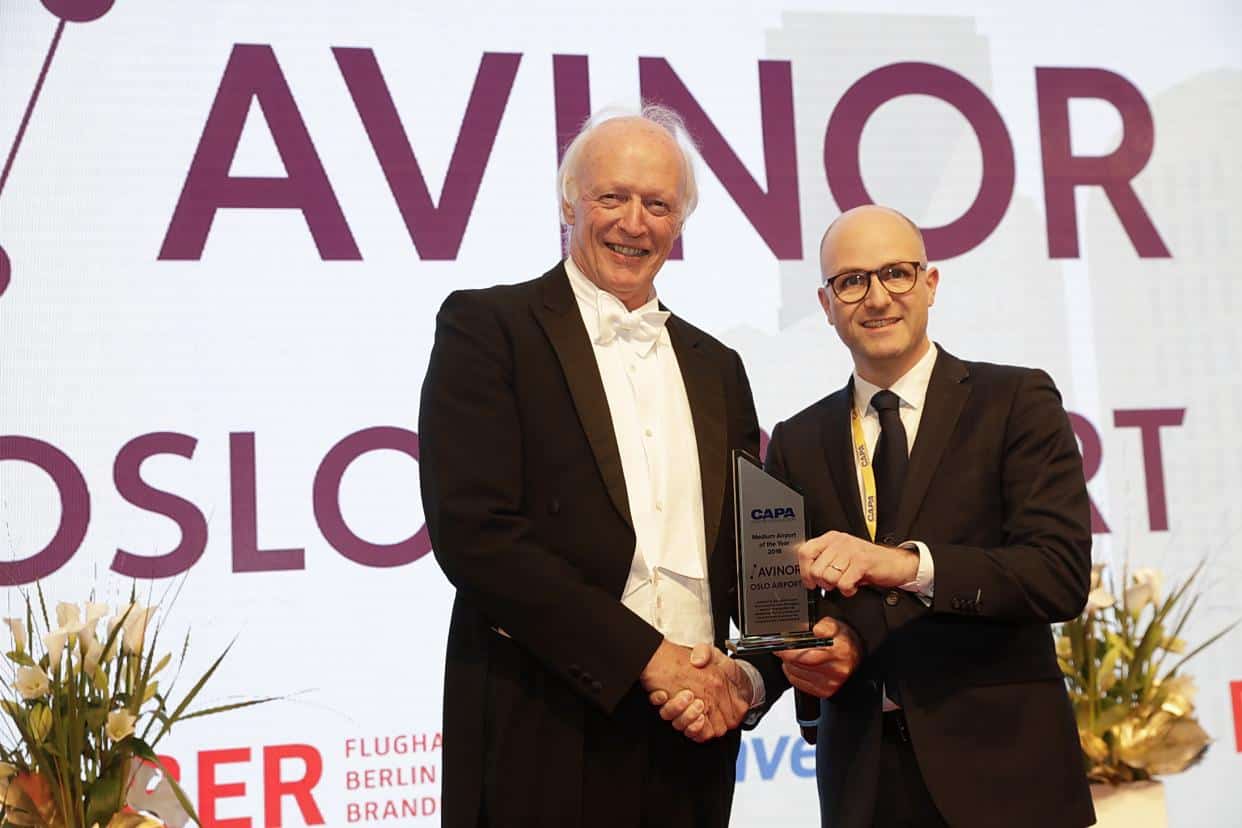
Jasper Pruitt, Avinor Oslo Airport (Medium Airport of the Year) which is trialling all-electric aircraft to be used on short haul routes in about a decade.
On the environmental front, it is interesting to note what Avinor Oslo Airport in Norway, which won Medium Airport of the Year, is doing. It’s bought two all-electric aircraft to trial and it looks like it will be able to implement its plan to support all-electric aircraft on short haul routes in 10 years’ time versus the original 20-year timeframe, according to vice president, business development, Jasper Pruitt.
It is also collaborating in an ambitious project to build a ‘sustainable’ and ‘energy positive’ (meaning solar powered) airport city to be built around an existing business park, using electric vehicles only. A geothermal power project has also been launched at the airport site.
Certainly, the aviation industry has lots of challenges on their plate – and I haven’t even mentioned the word “blockchain” yet. CAPA recognised Winding Tree with Innovation Of The Year for “trying to open the door for innovation in travel” but everyone knows it’s a very thick door.
David Montali, head of strategy and partnerships, said the bigger challenge was legacy systems, less willingness of the industry to change. Having secured agreements with the likes of Air France-KLM, Air New Zealand, Lufthansa and Swissport, Winding Tree has made some headway but the jury’s out on whether this startup can solve a 50-year-old legacy distribution problem.
China will change aviation, as it has done everything else
The opportunity though is in recognising where the growth is coming from and clearly Asia Pacific, in particular China, is on everyone’s minds.
LEVEL’s Hodder believes China will change aviation the way it has changed every industry. Spohr said Lufthansa was building a third Asian network out of Munich and even WOW Air, the low cost airline out of Iceland, has announced a Delhi route, starting this month. (WOW Air, which won Low Cost Airline of the Year, is currently in talks to be acquired by Icelandair.)
Spohr also spoke of demographic changes. When he started 20 years ago at Lufthansa, it was primarily a business airline. Today only a quarter is business, the rest are travelling for leisure. “People get older, stay fitter, have more money available, work less,” he said.
For Varadi, home is where the growth is. More than 80% of people within Europe have yet to fly, he said. “When I started, it was 93% – there’s still a lot of room for growth,” said CAPA’s Executive of the Year 2018 who firmly believes in the philosophy that ‘yes, you may be a hero for one day but that doesn’t matter for tomorrow’.
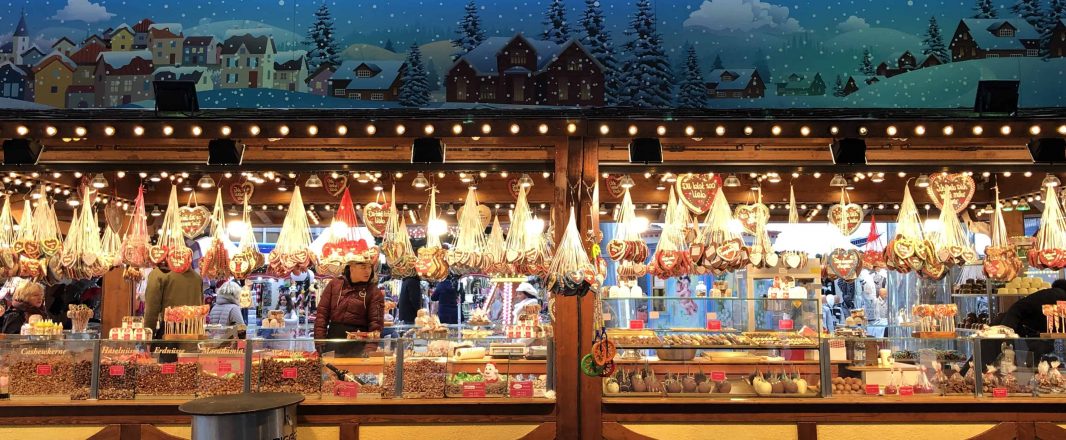
So as I walked among the Christmas markets in Potsdamer Platz in Berlin, I am mindful that tomorrow is as uncertain as Emperor Penguins surviving the climate changes that POTUS says are only a figment of our imagination.
In fact, I was reminded by Berliners, that 30 years ago, if I had been walking in this very neighbourhood, I would have been shot at and not eating bratwurst and drinking gluhwein in the freezing cold.
Here’s to the good guys in aviation.