Flying habits are set to change drastically for the long term, with eight in 10 passengers saying they will not return to their previous travel routines when the pandemic is over.
This is one of the key findings from a new global survey, Passenger Confidence Tracker, commissioned by Inmarsat and developed in collaboration with Yonder. It was conducted among 9,500 respondents globally including 2,500 from Singapore, Australia, South Korea and India in the Asia Pacific region.
The study reveals significant variance across the world when it comes to passengers’ confidence about flying in the era of coronavirus. Hungarian and British fliers are most confident, with 26% and 16% respectively stating they would get on a flight today. Travellers from Asia Pacific, however, are less inclined to do so, adopting a more cautious attitude with 57% of those surveyed describing their behaviour towards the pandemic as ‘highly cautious’, compared to 48% globally. (see chart at end of article)
The exhaustive 156-page report revealed the pandemic has sparked a shift in attitudes to travel among Asia Pacific travellers. Almost half (49%) of respondents expect to travel less by any means and 37% plan to fly less in the future. This sentiment is stronger in India and South Korea, with 58% and 55% respectively planning to travel less in the future.
Despite this, early signs are travellers from this region are starting to feel confident about flying again, with 41% of Asia Pacific respondents and 56% from India having taken at least one flight since the pandemic, compared to just 34% globally. The majority (60%) are ready to fly within the next year.
David Coiley, vice president Asia Pacific, Inmarsat Aviation, noted Asian travellers are more confident with the safety of the passenger journey than their counterparts.
“This also reflects prevailing conditions in the region where the spread of Covid-19 has largely abated across most markets, relative to other regions experiencing a resurgent wave of infections and further lockdowns. Given the level of consumer confidence, the outlook of the aviation industry in Asia Pacific is looking optimistic.”
He said the resumption of domestic travel in China and India further reflects passenger confidence in the region.
“In China, we saw domestic passenger volumes for the month of September increase from the same period last year, while domestic travel volumes in India are forecast to recover to pre-Covid levels by the end of the year.”
On the confidence around the safety and health precautions currently undertaken across all touchpoints throughout the journey, Asia Pacific respondents recorded an aggregated score of 6.27 (with 10 being the highest level of confidence), higher than the global average score of 5.55.
The majority also perceive public spaces such as restaurants, cinemas, public transport, and public toilets to be either as risky, or even riskier than, taking a flight.
These respondents also want clearer information about border restrictions, standardised practices across all airlines and a consistent worldwide set of safety standards as particular areas for improvement. They also state wearing a face mask both inflight and in airports and allowed to fly after a 48-hour test are the most effective personal safety measures. Only 10% identified a 14-day quarantine as a top factor.
“With safety and reputation becoming even more important to today’s flyers there is a clear need for airlines to differentiate themselves in order to encourage passengers back onto their flights,” said Philip Balaam, president of Inmarsat Aviation.
Airlines can achieve this by improving inflight experience, extra legroom, free baggage and on-board WiFi – all listed by Asia Pacific respondents on what they would like to have while flying..
• Download the full report here.

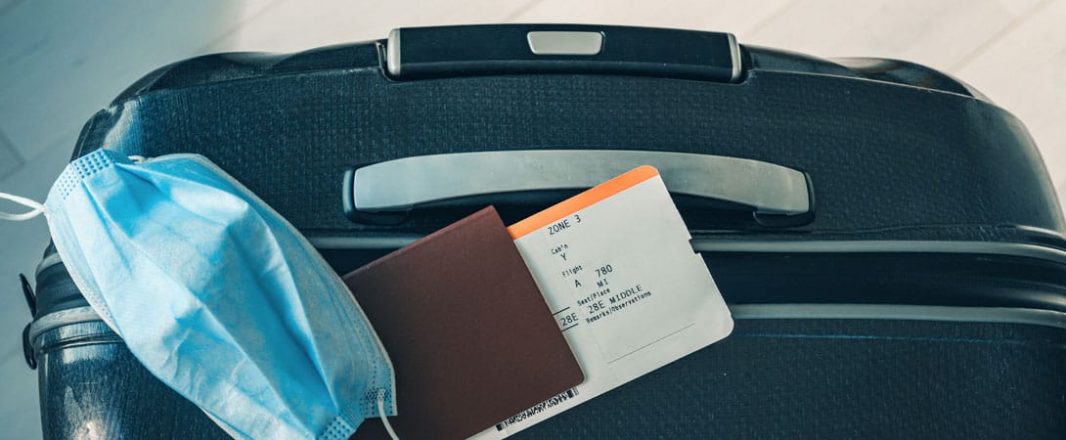
• Featured image credit: Maridav/Getty Images