Commits to offset three million metric tonnes of greenhouse gas emissions over three years to bridge gaps in decarbonisation efforts.
NORWEGIAN Cruise Line Holdings (Norwegian), which operates the Norwegian Cruise Line, Oceania Cruises and Regent Seven Seas Cruises brands, is taking action against climate change with the development of a long-term climate action strategy and goal to reach carbon neutrality.
It aims to do this through reducing carbon intensity, identifying and investing in technology including exploring alternative fuels, and implementing a voluntary carbon offset programme.
Norwegian has also launched the Sail & Sustain environment programme as part of its focus on combating climate change, and signed he Cruise Lines International Association (CLIA) commitment to reduce the carbon emissions rate industry-wide by 40% by 2030 from a 2008 baseline.

“We take climate change very seriously and have proactively developed a long-term strategy with an ambitious goal of reaching carbon neutrality through three action areas including reducing carbon intensity, identifying and investing in technology and implementing a carbon offset programme,” said Frank Del Rio, Norwegian’s president and chief executive officer.
“Our global sustainability programme, Sail & Sustain, is centred around our commitment to drive a positive impact on society and the environment and our long-term climate action strategy reinforces this commitment and aligns with the vision of the Paris Agreement to achieve a climate neutral world.”
Del Rio added that the company’s commitment to purchase three million metric tons of carbon credits “is a measurable step in near-term emissions reductions which allows us to take action today and helps bridge the gap in our decarbonisation efforts as we prepare for a lower-carbon future.”
Here are the three focus areas in Norwegian’s long-term climate action strategy:
• Reduce carbon Intensity: Continually seeks opportunities to reduce overall footprint by minimising fuel consumption and increasing energy efficiency. Ongoing investments in systems and technologies have resulted in a reduction of fuel consumption per capacity day of 17% from 2008 to 2019 for the 28-ship fleet. Company achieved an estimated approximately 14% reduction in CO2 emissions per capacity day across its fleet between 2015 and 2019. This rate is expected to decrease with the introduction of nine new and more fuel-efficient vessels to the fleet through 2027,
• Invest in technology and explore alternative fuels: Partners with CLIA and other maritime organisations to propose the establishment of a collaborative shipping research and development fund dedicated to eliminating CO2 emissions from international shipping. If approved, funding would come from a contribution per tonne of marine fuel purchased for consumption – with amount to reach US$5 billion over a 10-year period. The funds will be used to finance the development of zero and near-zero GHG fuels and propulsion technologies.
• Implement voluntary carbon offset programme: Committed to purchase carbon credits to offset three million metric tons of carbon dioxide equivalent (MTCO2e) over a three-year period beginning this year to help bridge the gap in decarbonisation efforts until new technology becomes available. Offset purchases are expected to ramp up in future years to reach the goal of carbon neutrality. Norwegian has collaborated with World Kinect Energy Services, the sustainability division of World Fuel Services, to launch one of these programme – investing in carbon offsets that have been independently verified and meet international standards such as the Gold Standard or the Verified Carbon Standard (VCS). The offsets are from a mixed project portfolio that includes renewable energy, forestry, energy efficiency, and waste to energy projects.
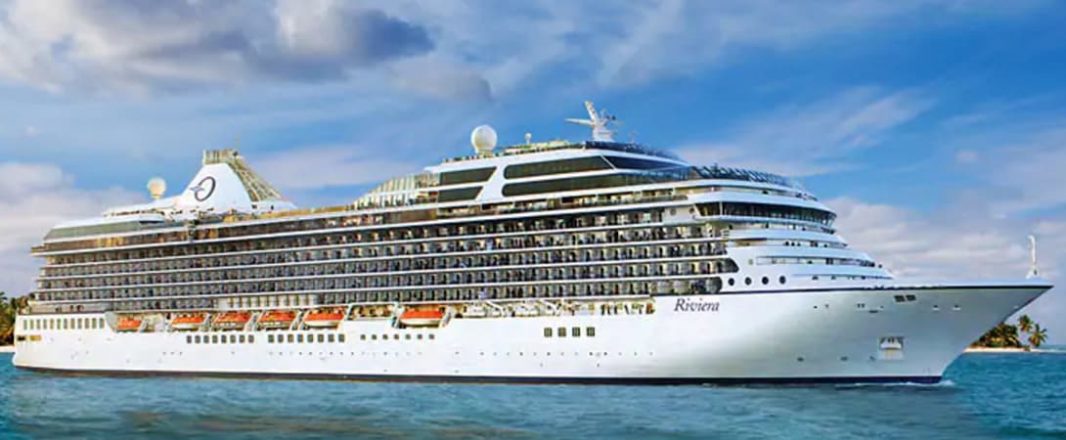
• Featured image credit (Ocean Cruises’ Riveria): Norwegian Cruise Line