
We were at a Japanese restaurant somewhere on the Rocks, which we had stumbled upon by accident. Turned out to be pretty good – we didn’t have to ask anyone for that.
My god-daughter, Kim, takes out her Blackberry, takes a photo of her tempura udon and posts it on Facebook.
I don’t because the data roaming would cost me more than the plate of sashimi which, with the strong Australian dollar, is already making me think I am eating something really rare. (Which it will be one day, I am sure.)
My friend suggests I go to see “Jersey Boys”, the Franki Valli musical. “Great fun,” she said. Will there still be tickets, I asked. It’s a weekend after all.
“Buy online,” she said. We did from the comfort of my hotel room in Four Seasons which by the way charges for wi-fi.
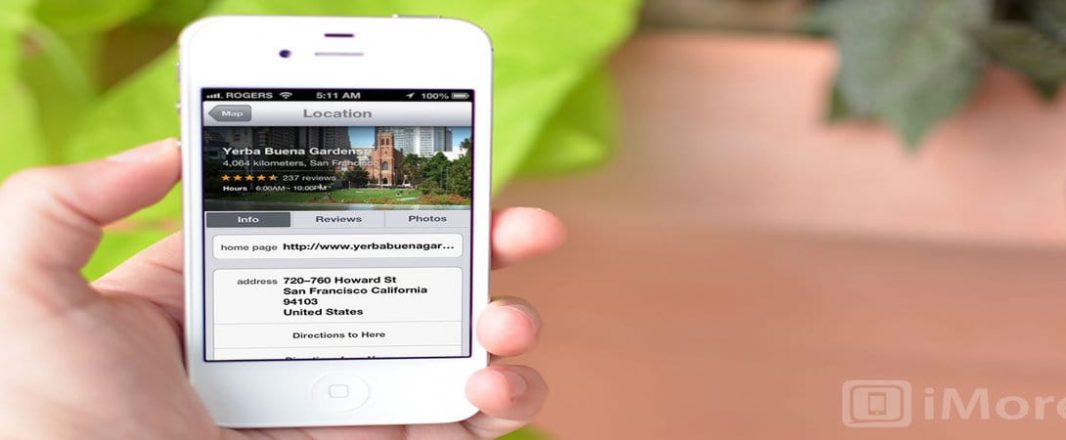
And how did my god-daughter and I find our way to Theatre Royal where it was playing? Google Maps.
We spent the next three days with our heads pretty much buried in Google Maps. We found our way to King’s Wharf for a very forgettable seafood meal and to Mamak for an unforgettable Malaysian roti and curry feast.  (pictured below)
At Mamak, we had to queue for nearly an hour to get in. Thank goodness I had my iPad with me which kept young Jayden amused so that Kim and fellow Malaysian friends living in Sydney could have their curry fix. This is when the iPad comes in handy during travels – it becomes a games console.
Conscious of data roaming charges, I could only watch on as Kim, who is now studying in Adelaide, posted photos, tweeted, checked in foursquare, accessed Google maps, read reviews, etc. I felt I was travelling with a robot at times.
At the Australian Tourism Exchange, which I was attending, I met several organisations which had developed mobile services and phone apps to help travellers “discover new experiences”.
Tourism New South Wales has developed m.visitnsw.com which enables users to access information about 3,800 attractions and products. There’s also the Sydney Australia iPhone app which has been downloaded over 10,000 times since launching in May 2010.
Tourism NSW is also working on a location-based product listings – see pilot on www.sydney.com. It creates a map layer for tourism products.
For drivers, it has developed map-based apps for the Grand Pacific Drivesouth from Sydney and the Greater Blue Mountains Drive, among others. It is also working on an audio point-of-interest application.
In the Hunter Valley, three winemakers have come together to develop theYellow Brick Guide, a GPS audio-driving tour, using in-car satellite narration. “It’s a whole new way to immerse yourself in a destination and discover what makes it tick, without looking at a map,” said Rob Marjenberg, co-founder and creative director of The Yellow Brick Guide.
The stumbling block of course is data roaming charges which remains a bugbear for travellers on the move. A Tourism NSW spokesperson says they are aware of the problem but there’s not much they can do.
Which is why the Singapore Tourism Board has made a smart move by partnering with Starhub, one of three mobile services providers in the country, to waive data roaming charges for visitors who use the soon-to-be-launched YourSingapore app when in the city state. In return, STB is promising massive marketing campaigns worldwide to promote the app.
I will be curious as to how many of the 11 million visitors to Singapore will download this app and what could be the eventual cost to Starhub. Starhub’s chief operating officer, Tan Tiong Hai, during a recent panel discussion agreed data roaming charges had to come down and said operators were putting together packages for customers who are frequent travellers.
Crossing the ditch (in Aussie parlance) to New Zealand – by the way, I love the Richard Simmons’ inflight safety video on Air New Zealand, gives a new spin on something that has become so ho-hum yet remains critical – one of the first things I did in Auckland was visit Vodafone and purchase pre-paid phone cards for my smartphone and iPad.
I was determined to make the most of my leisure time and immerse myself in a travel experience facilitated by technology.
 As it turned out, I ended up in Marlborough Sounds in a place which had no mobile or Internet access except there was this one spot at the end of the jetty where I could occasionally find a signal. (pictured left)
After a while though, I found the stingray and the seal which showed up one day under the jetty way more engaging than my gadgets and I soon realized you know what, some things should just be enjoyed as they are, unplugged, and the world wasn’t going to come unstuck if I went offline for a few days.
Have to confess, I did Google “weka” though to see if the wild birds that lived in the gardens were edible.
And the only time my iPad came in handy was when we used the Ghost Radar Classics aa to commune with the Maori spirits of this ancient land. Definitely felt something there.
On the flight home, I realized I had thrown away my two Singapore SIM cards by mistake in my packing and unpacking.
Ah, the joys of a modern day traveler – I wonder how Marco Polo ever managed?