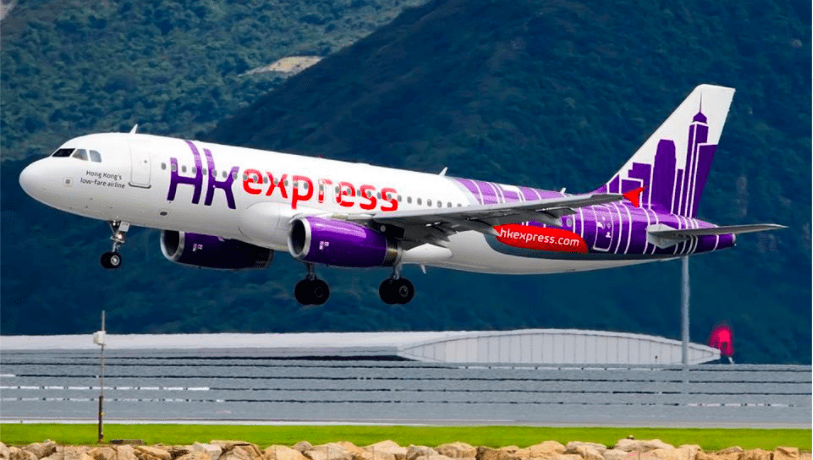
In putting together its reward-U loyalty programme, Hong Kong’s low cost carrier HK Express turned a couple of things on its head.
One, members are rewarded for dollars spent, not miles flown. Two, it moved from an FFP (frequent flyer programme) to a lifestyle-based scheme, rewarding customer loyalty on travel and everyday spending.
Calling itself “Hong Kong’s everyday loyalty programme”, it has garnered 600,000 members since its launch in April 2016 and with its push into China and other markets, CEO Steven Greenway sees the sky as the limit.
“The term “everyday” is often quoted but few loyalty programmes live-and-breathe it – In essence we want to become a currency that members can earn and indeed redeem across a huge array of products and services they use everyday but in doing so be transparent and indeed rewarding.”
Current members are from retail, finance and insurance and more partners from airlines, dining, retail, transport, telecoms and travel and leisure will be added in the next 12 months. Recently, it announced a partnership with travel accommodation portal, Rocketmiles.
With HK Express part of the U-Fly Alliance, a partnership between five HNA-owned airlines, the programme will also span boundaries.
Said Greenway, “Having airline partners as part of the programme is a cornerstone-strategy so yes we are in deep discussions with a range of airlines (LCC and full-service) to join the programme.”
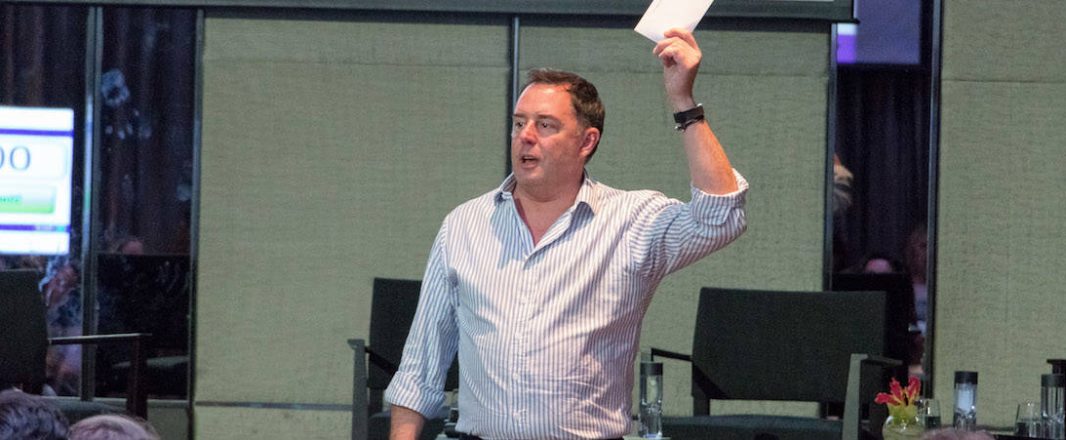
Speaking at WIT Hospitality in Hong Kong, Greenway said reward-U was an attempt by HK Express to leverage modern technology platforms to deliver on customer expectations – “and that doesn’t mean spending massive amounts on consultants, we already have lots of data, it’s just how we use it smartly”.
It also wanted to move away from the traditional practice of rewarding only top-tier corporate and frequent business travellers and target the growing segment of SME business travellers. “Generally shorthaul passengers are not rewarded for loyalty,” he added.
“What we’ve done is target a wider audience base by eliminating barriers to entry,” said Greenway. “It has a flexible and agile programme structure to expedite redemption – ie no blackout period. It offers more relevant everyday earn and burn options and it turns discount seekers into loyal customers.”
Basically, flyers earn on every dollar spent on the airline from meals to seat selection to baggage fees and it takes only 40,000 points to redeem a flight.
There’s also a reward-U Crew special account for family and friends to earn points faster as team and a crew can have a maximum of four members plus one captain, who can then burn points for anyone outside of the Crew.
“This facilitates SME and group travelling with more flexibility and efficiency in earning points.”

There are no physical cards, an app is being developed so that members can manage their points online. “We’re aiming for a launch no-later than June/July of this year. It’s taken a bit longer than I would have liked but we are wanting to pack the app full of features that makes it meaningful and rewarding to use.”
Greenway said the programme, being data driven, would enable the airline to convert useful insights to optimize consumer experience and benefits.
Asked if the airline become a victim of its own success – in that could the programme be so successful it’d eat into revenues, he said. “The simple answer is no. Earning of points by members can be achieved through and array of services however the fact is most members store their points up for travel … It’s aspirational!
“Therefore our airline members have a lot to gain by participating in the programme because we are stimulating incremental demand. Apart from the points, you can’t ignore the impact of the programme on say HK Express which is seeing an increase in repeat purchase and also increase in overall booking value from reward-U members … So it’s a win-win!”
Greenway, who’s worked in the airline industry for decades, most recently with Scoot, said, airline loyalty has evolved greatly in recent years.
“The first big change was schemes morphing from frequent-fly schemes to “loyalty” schemes that have a broader base of features and partners. The next wave has been programmes migrating to being revenue-based as opposed to miles. The next step in my mind will be turning a programme’s “points” into a true “currency” that people are free to use across of huge array or services and products.”