
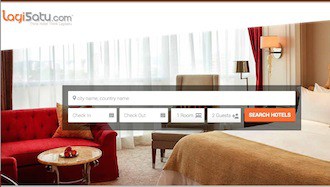
It’s been almost two years since I decided to jump onto the travel start-up wagon. Travel tech has always been my passion, and when I had the opportunity to do my own travel startup – Lagisatu.com – I immediately grabbed it.
I instantly became an entrepreneur not knowing what the word even meant. Though it has its ups and downs, I have to say it’s one of the best decisions I’ve ever made and it has been an amazing learning experience.
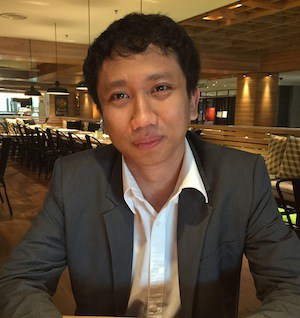
Faeez Fadhlillah: Many lessons learnt during three-year journey since co-founding Lagisatu.com
There were many things that I didn’t know back then which I know better now. Without doubt there were many lessons that I’ve learned throughout my journey.
Here are the top seven things probably all travel start-up co-founders learned throughout their startup journey.
1. Don’t be afraid to share your ideas
One of the greatest fears of many young start-ups or new entrepreneurs is the fear that others might steal their idea if they share it. In fact, this has been one of the two most-asked questions I receive from angels, VCs and other entrepreneurs until today (the other I will mention later in this article) – what if another company decides to copy or replicate your idea? Ideas have no value without the passion and enthusiasm behind every execution.
Don’t be afraid to share your ideas; share them with investors, other travel companies, entrepreneurs, friends and people you meet on the street. Chances are, you will get the word out, but even more valuable is the feedback and suggestions for improvement. Juergen (Gallistl) and I have been sharing the idea and vision behind Lagisatu with almost all the huge travel companies and until today we haven’t stopped sharing our ideas. Each time we always learn something new.
2. Networking is as important as running the business itself
In the start-up world, networking is key to survival. Get to know everyone within the travel industry from travel startups, large travel companies, conference organisers, journalists, hotels, airlines, etc. It’s a great way to meet potential clients and investors, business partners, and even talent for your team.
In fact, people are more willing to help out or work with someone they know than through a random email from a stranger. Introduction and referral has helped us a lot throughout the years and I would advise new start-ups to start networking from day one.
3. Attend industry events
No matter how much experience you have in the travel industry, industry events such as conferences are an important place to gain new ideas, trends and insight that can help you build your start-up. It’s also a great way to network with fellow start-ups, learn their new strategies, and though most might deny this, travel conferences are definitely a great place to gather information on your competitors.
There are many travel conferences and I have to say that one of the best travel conferences that you ought to attend as a startup (or if you’re thinking of going into travel) is without a doubt the WIT Conference held annually in Singapore. Yeoh Siew Hoon, WIT’s founder, and her team organise one of the greatest industry events attended by all known travel brands, entrepreneurs, travel associations, hotels, airlines, and start-ups. If you are planning to start a B2B start-up, you may even score some clients at WIT.
4. Don’t let rejection get to you personally
When building your start-up, somewhere along the line, you might need to raise some funds to scale and grow the business at a faster rate. Successful examples in the media may make it sound easy to raise funds from angels and investors, but the fact of the matter is that you will get many rejections along the way. Don’t let rejections bring you down or discourage you from pursuing your dream. Your idea might seem doubtful or hard to believe to some, but so was Apple, WhatsApp, Groupon and so many others that made it to the billion dollar valuation club.
My advice is, with each rejection, make it a habit to ask for three things you can do to improve further. Contrary to common belief, a rejection does not mean that your connection will completely die off. In fact in most cases, it fosters a greater relationship. Some of my greatest mentors and most helpful referrals have been those who did not invest in us.
 5. Don’t let your competitors get to you
Being in the start-up scene you are bound to face competition – if not from another start-up then it’s from huge travel groups such as Priceline, TripAdvisor or Expedia. Right from the start the second or, if not, the first question that I get asked from angels, travel companies, or VCs is “…but Trivago is coming?!” Don’t obsess too much over competition; instead, channel the energy into building an awesome product. A big player coming to a market does not necessarily mean there is no room for more.
Treat competition as a learning curve, in fact you may learn a thing or two from your competitors. What they are doing may not always be right. Don’t ever let the competition define your overall strategy and direction.
6. A lot of the work is email, Skype and WhatsApp
A friend of mine once asked, how does a typical day look for me? I surely must travel a lot since my company is in travel?! A lot of my day is actually occupied by email, Skype and WhatsApp.
A large amount of communication takes place via WhatsApp (especially in my region), be it to introduce yourself, exchange ideas, communicate on business plan with VCs, confirm attendance to events, read feedback, referrals or even introductions. Most of it happens via the inbox.
Discussion via Skype has become the norm when communicating with VCs, potential partners and even fellow start-ups. WhatsApp has became the main form of communication, which (besides how useful it is) also means you will get messages at 3am regularly by partners and investors.
7. Have a stellar LinkedIn profile
LinkedIn continuously is increasing its importance over the past few years and has become a sort of personal branding tool. Most people will actually google you before they meet you and most likely your LinkedIn profile will pop up on the first page. LinkedIn allows you the opportunity to make a first good impression on people when doing some quick research on you, before they even meet you. It allows you to increase your visibility amongst peers and provides you with a platform to increase your credibility within the industry.
Being in the driver’s seat of a start-up is like driving a Formula 1 car on a newly-opened circuit. It’s fast paced, every corner is a challenge and you never know what lies on the other side of the hill, making the whole entire journey exciting and unpredictable yet fun. You will never know what kind of surprises lie ahead, but hopefully this article provided a few glimpses into the mysterious world of being a founder.
• Faeez Fadhlillah is the CEO & co-founder of Lagisatu.com, Asia’s fast-growing hotel comparison site and the winner of WIT Indonesia Startup 2013. You can follow Faeez on Twitter at @faeezfadhlillah
• Featured image credit (paper clips): Ockra/iStock