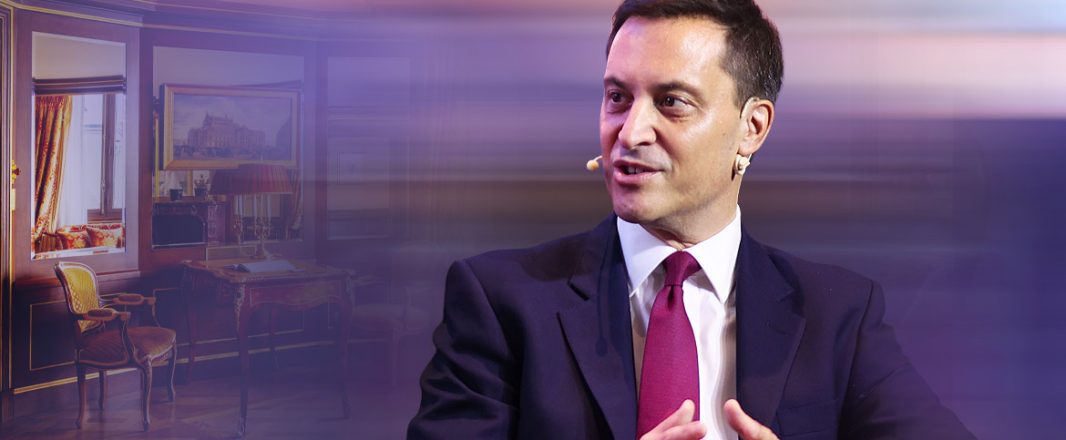
At HICAP, the Ritz Group’s chairman and CEO made the case for scarcity, emotion and a mountain of dark chocolate.
Nearly 20 years ago, Robert Swade sat next to a housekeeper at a long-service awards dinner. She asked whether he was enjoying the new minibar in his room. He wasn’t. It was stocked with white chocolate and strawberries, and he preferred dark.
When he returned the next evening, the coffee table in his room held the biggest stack of dark chocolate bars he had ever seen.
“I’m telling you that story 20 years after it happened,” he said. “That was low cost to the hotel, high value, and a small but significant memory.”
That, in miniature, is how Swade, now Chairman and CEO of the Ritz Group, thinks about luxury: not points, tiers or scale but memory. And it shapes how he intends to take one of hospitality’s most famous names, which today sits on a single hotel on Place Vendôme, out into the world.
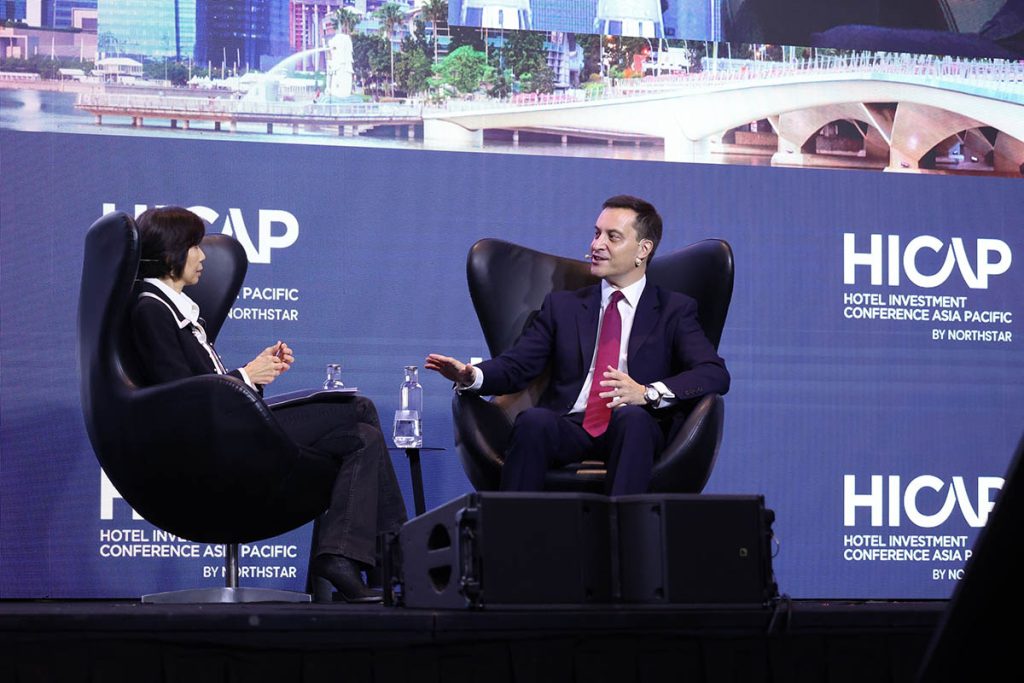
Custodians, not curators
Swade returns often to the man who started it all. César Ritz opened the Ritz Paris in 1898, obsessed with delivering the very best service to his guests. But he was also, Swade stresses, an innovator.
“We want very much to focus on the tradition and the history of the Ritz. But it’s not a museum piece,” he said. “I think it’s incumbent on us, as the custodians of the brand, to continue to innovate, and to make sure our service offering is relevant to the needs, preferences and desires of guests today.”
The clearest signal of that intent came from an unlikely direction: fashion. The Ritz Paris partnered with FRAME, the West Coast US clothing label, on a collection now in its fourth season.
“I don’t think anybody at the time expected the Ritz would partner with a clothing brand like FRAME, and we did that very deliberately,” Swade said. “We wanted to appeal to a new generation, and we wanted to send a very clear message that the Ritz is not a museum. It’s not all about heritage. It’s not stuffy.”
The younger guests the brand is chasing, he argues, want the same things their parents did: a destination experience, exquisite service, and a feeling of being part of the Ritz tradition.
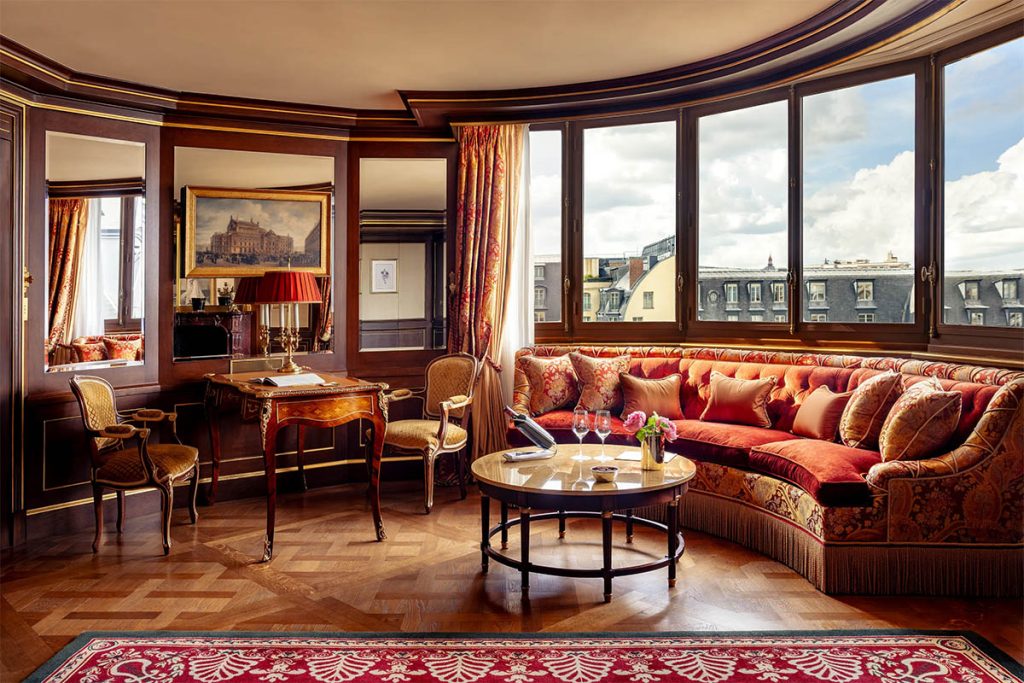
Ritz Paris. Image credit: Ritz
Five hotels, not fifty
For a brand with this kind of recognition, the obvious play would be rapid expansion. Swade is having none of it.
“This is a brand that doesn’t lend itself to significant growth,” he said. “You can’t have 30 Ritz hotels in the world without diluting the reputation. I would rather have five exquisite hotels, each with its own personality that is specific and relevant to its location.”
The current thinking: three properties in Asia and two more in Europe. In Asia, Japan – Tokyo and Kyoto – is a significant focus, alongside Singapore and resort destinations that command significantly higher rates. In Europe, Rome is on the list.
Heritage buildings are the preference, as in Paris and London. But Swade acknowledges that in cities like Tokyo, and to a lesser extent Singapore, finding one will be difficult, so a new build is on the table. The harder task is translating the brand into that setting.
“We’re not looking to lift the Ritz Paris and put it into a new destination,” he said. “We want each Ritz to be unmistakably Ritz, but also unmistakably of the destination in which it’s located.”
Just as notable is what the group won’t do. No branded residences. No ultra-luxury cruise or rail, even as others crowd into that space. “Hotels are our core business,” he said. “We have no plans to go down that road at the moment.”
What owners really want
For an audience of investors and developers, Swade was candid about what the deal has to look like. Owners want commercial performance, international recognition and differentiation, he said. But the crucial ingredient is trust with the operator, and alignment of expectations from day one.
His checklist for any project is blunt: Is it the right product? In the right location? With the right owner? Does the owner have the right capital structure? Are expectations aligned between owner and operator? And can the operator actually execute the launch plan?
The Ritz Paris has long run a rate strategy rather than an occupancy strategy, and Swade wants new properties positioned not just at the ultra-luxury level, but above the brands already in those markets. That comes at a premium, and he concedes the economics are a balancing act. Labour models vary hugely; he cited ratios ranging from around five colleagues per room in some markets to nine in the Middle East.
Nor is the flagship immune to the outside world. Paris draws heavily from the US and the Middle East, and Swade acknowledged a drop in business as fewer guests travel from the Gulf region, alongside the city’s own troubles. “I’m not going to sit here and tell you that has not had an impact on our business,” he said. The answer, he said, is diversification.
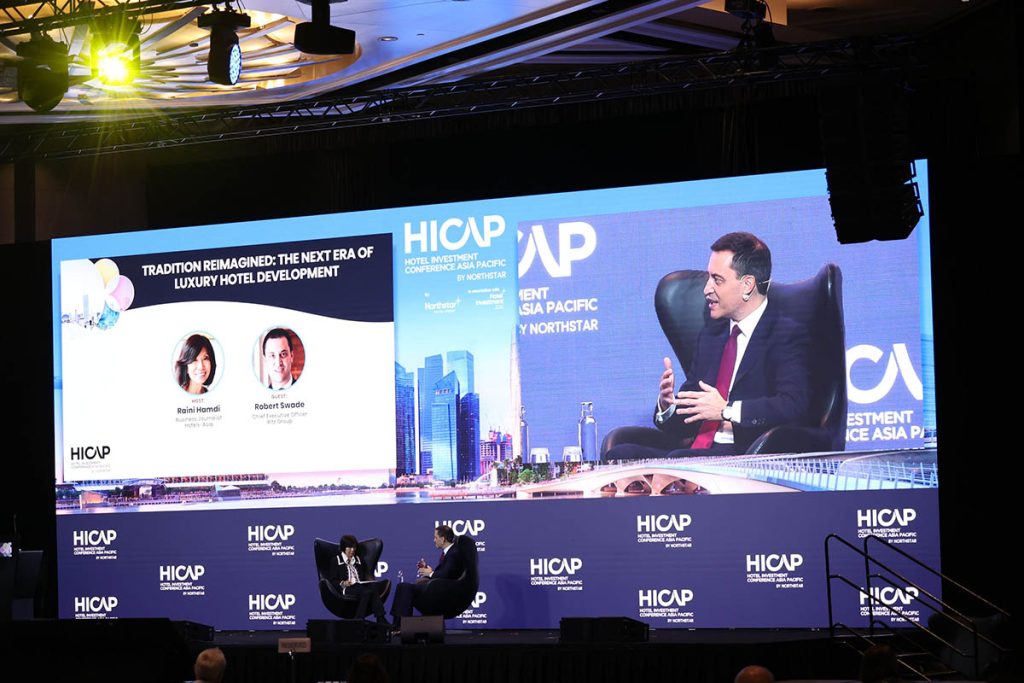
Emotional loyalty beats points
Without a big-brand loyalty network, how does a single-asset hotel win guests directly? Swade draws a sharp line between two kinds of loyalty.
The first is transactional: driven by the programmes of the big hotel groups, where the questions are when you’ll reach the next tier and whether you can use points for upgrades or club access. The second is the kind the Ritz Paris trades on – “significantly more irrational,” driven by emotion. Guests return because of an affinity with stays they’ve had, or memories they’ve built there.
About 15 years ago, he recalled, he put it in what he now calls rather clumsy language: people value memories, not things. “I think that’s still very true today,” he said. And increasingly, the hotel is only part of why guests come. The destination is the rest.
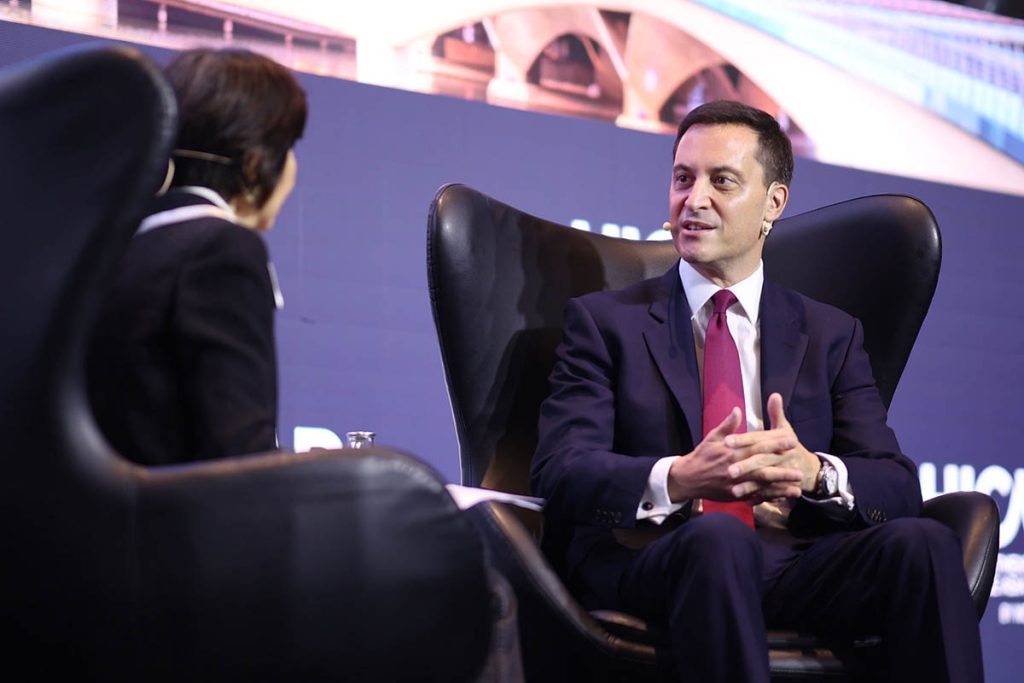
White gloves, looser collars
Is white-glove service an operational liability, given staff shortages, wage pressure and a younger workforce with different ideas about service? Swade doesn’t think it’s dead but it is changing.
“I wouldn’t say white-glove service is dead, but I would say we’ve reached a level of informality,” he said. Guests, younger ones especially, still want exquisite service and attention to detail, just without the stiffness traditionally associated with it.
On AI, his line is clear: back of house, yes; front of house, no. Technology can speed up processes and take away mundane tasks, freeing colleagues to focus on guests. But he would be very concerned about a Ritz where guests check in and out through a machine without meeting a person. “I want them to interact with the colleagues,” he said. “That emotion is what very much underlies what we’re trying to do.”
Asked what luxury hotels should do to avoid sameness, Swade agreed the problem is real.
“There is very much an element of sameness in the luxury hospitality space, where sometimes you don’t know where you are when you wake up and draw back the curtains,” he said. “That’s not what we’re about.”