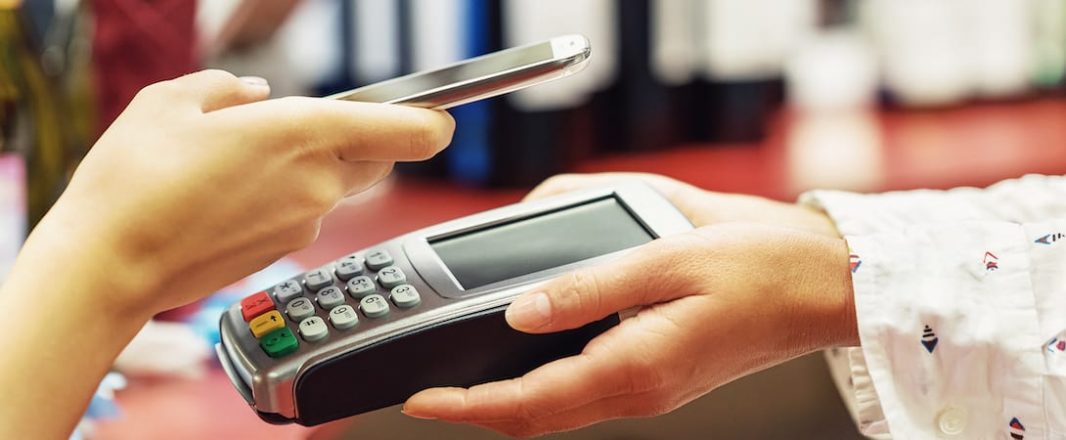
I was having coffee at the airport last week and when I wanted to pay, the “Uncle” asked me, “Do you want to pay by Alipay? Wave? Grab?”
At the cashier, I was again asked the same question – only this time, I was offered “Pay Lah” as well, one of the local bank wallets.
I got so confused that I asked, “Can I pay cash?”
When did paying for something become so complicated, so fraught with choice?
At my physiotherapist clinic, there’s a sign encouraging me to pay by GrabPay, offering me generous reward points if I top up my Grab wallet to pay via its QR code scanner. Swipe right.
Last week too I attended a Wirecard Innovation Day. I was curious to find out how it was doing what it said it was doing – “reinventing the payments experience”.
This is a giant in the payments industry. Listed on Germany’s DAX30, it claims a transaction volume of 125b Euros and more than 2b Euro revenues in 2018, covering 279,000 customers and more than 38m customer accounts.
There were lots of products on display – Q80, the “smallest desktop payment terminal” yet, D220 Mobile contactless payment terminal, multi-currency travel card, to name a few.
I was drawn to two products displayed in its Innovation Corner – these are products not in market yet but which Wirecard points as the future.
The Smart Mirror allows me to try on an outfit, admire myself and then order, buy and pay with my own device on the mirror, if I like it. Jorn Leogrande, EVP, Wirecard Labs, said … “it offers individual recommendations and the possibility to request other colours or sizes without leaving the changing room.”
Then there’s the Biometric Terminal which uses the palm print as identity. Apparently the palm has four million data points and so is considered a more secure form of identification than the finger or face. “We strongly believe that biometrics will follow smartphones as a major means of payment and replace passwords in the future,” said Leogrande.
I suppose it’d be messier to chop off a palm than a finger should someone choose to steal your identity
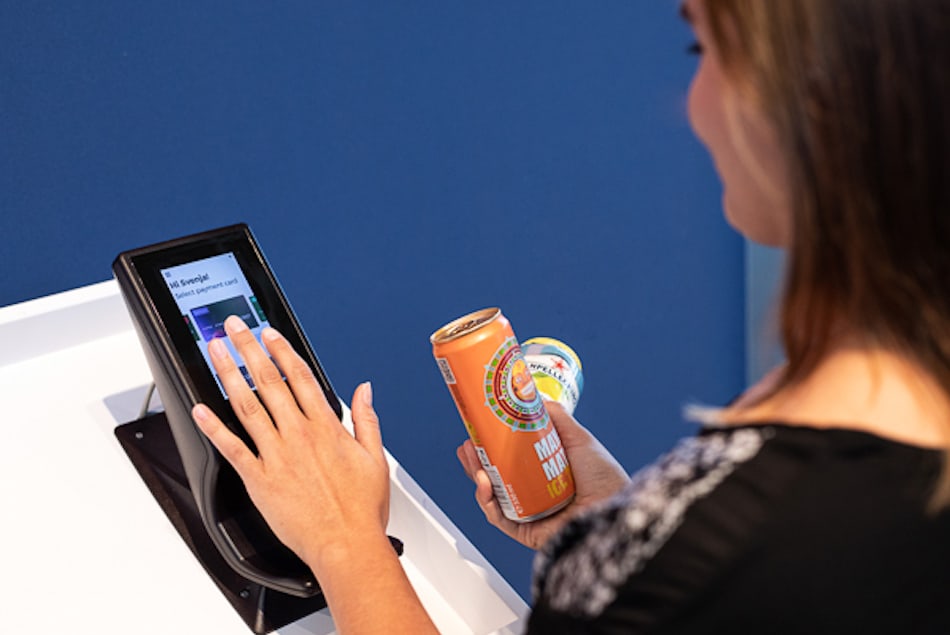
(Image credit: Wirecard)
What will eventually become our identity is an interesting debate to have.
In Sweden recently, a local school got fined €20,000 under the General Data Protection Regulation 2016 (GDPR) because it trialled facial recognition technology in order to record class attendance. In the US, San Francisco became the first city to ban the use of facial recognition.
So palm, finger or face? Which do you prefer? Or how about the body? Apparently, body recognition security uses faces, voices, fingerprints and walking gaits as identification – the full Monty, as it were.
At the Wirecard Innovation Day, as Leogrande talked about how retail was adapting and adopting new tech to keep customers coming back to their physical stores – one example, the Nike By Melrose in Los Angeles adds new inventory every two weeks based on the local customers’ data – I thought about how all of us are like blips in the data universe to be targeted and sold to and that we have become the commodity.
It’s happening within the device we carry with us, and sleep with. Elon Musk, in this debate with Jack Ma in Shanghai, spoke about how we have all become cyborgs and that if we lost our phone, it feels like we’ve lost a limb.
More than that, I feel it’s making me lose my memory. Chat channels, like payment channels, have become so fragmented that often I can’t recall which channel which message came on in, and I definitely can’t keep track of my WhatsApp groups and Slack and often I find myself saying, “Sorry, wrong channel.”
If this also happens to you, hands up. Sorry, I meant palms up so that I can recognise you.
Note: Payments and fintech will be a big part of the discussion at WiT Singapore 2018 with several sessions dedicated to the topic. Check the programme here.
• Featured image credit: SergeyChayko/Getty Images