THE Wrap is a round-up of news in the travel and technology industries, and updates on how businesses in these sectors are resetting as they prepare for post-pandemic travel.
Korean Air transfers all IT systems to Amazon Web Services

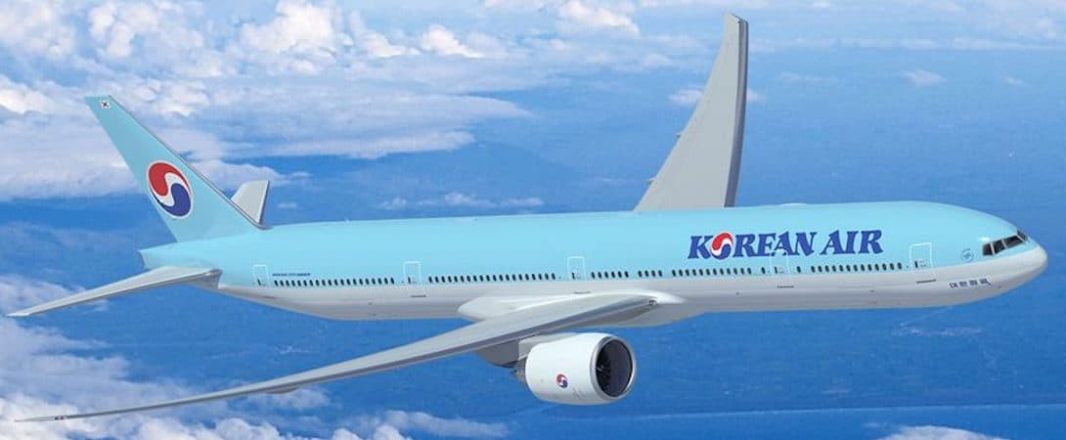
Korean Air has migrated its entire IT infrastructure to Amazon Web Services (AWS), three years after announcing its transfer plan in November 2018.
The airline is the first global full service carrier to go all-in on a cloud computing service.
Working with AWS and LG CNS, a Korean partner of AWS, Korean Air moved its various IT systems for data, network, and security systems from an in-house data centre to AWS cloud computing centre.
“We’ve completed the largest IT modernisation project in the airline’s 52-year history within a short period and are shifting our focus from solving problems to creating innovation faster with AWS cloud capabilities, which is especially important as travel starts to resume,” said Kenneth Chang, executive vice president of Korean Air.
The IT system migration will help the airline to respond actively and flexibly to the changing market, including strict quarantine measures and increasing demand for contactless services during travel due to Covid.
Korean Air plans to introduce a machine learning management service, which will allow the airline to create, train and apply machine learning models to improve customer service by forecasting passenger and cargo demand more accurately.
The cloud will also help to enable the carrier to better estimate flight delays due to weather conditions and predict aircraft maintenance time.
With the all-in migration Korean Air is able to build a customer data platform in the cloud to offer more personalised customer services by allocating a unique digital identification tag to every passenger.
Using the cloud, the airline launched its new website and mobile app 90% faster than it could using its legacy on-premises infrastructure. Customers can now purchase tickets on website in two steps instead of four. A one-step buying option is being developed.
“As the travel market continues to rapidly evolve, the cloud gives airlines the agility to innovate. By going all-in on AWS Korean Air has unlocked efficiencies across their operations and provide customers with new experiences they love,” said Kee Ho Ham, managing director of AWS Korea.
Korean Air also introduced the AWS Innovation Builder Program during its cloud migration to build a culture of cloud innovation to give employees the right skill sets to become data- and customer-centric and create a cloud-first culture. The airline equipped 500 employees with basic cloud technology skills and brought the business and technology teams together to validate new ideas using AWS as part of this company-wide effort.
The airline believes using AWS cloud capabilities to strengthen innovation and improve customer experience will give the company “a competitive edge in the post-Covid era.”
Emirates, Qantas expand partnership to bolster recovery in international travel

Qantas and Emirates have extended their partnership for another five years to give customers and frequent flyers of both airlines continued access to their joint networks.
The airlines have existing approvals from regulators to operate a joint business until March 2023. They will seek re-authorisation from relevant regulators, including the Australian Competition and Consumer Commission, to continue the core elements of the partnership including coordination of pricing, schedules, sales and tourism marketing on approved routes until 2028.
The deal includes an option to renew the partnership for another five years.
One of the perks for travellers through this renewed deal are the availability of millions of reward seats for frequent flyers, using their Qantas Points or Skywards Miles, to travel across Australia, New Zealand, Europe and the UK – helping to boost international travel.
Many of these seats have been stockpiling throughout the pandemic, said the two airlines.
As part of the agreement, Emirates customers have access to over 55 Australian destinations that the UAE carrier does not fly to. Meanwhile, Qantas customers are able to fly on the UAE carrier to Dubai and access over 50 cities in Europe, the Middle East and North Africa that are not part of the Australian airline’s global network.
“The extension of our partnership with Qantas is testament to its success,” said Sir Tim Clark, president Emirates Airline. “It also reflects our commitment to ensure customers travelling to and from Australia, a market which we have served for 25 years, continue to have the best connections and frequent flyer benefits.”
Qantas Group CEO, Alan Joyce, remarked that the extended collaboration “marks the continuation of one of the most significant bilateral partnerships in aviation”.
He added: “The premise of our partnership with Emirates has always been that no airline can fly everywhere but combined we can fly to most of the places our joint customers want to travel to. And that we treat each other’s customers as our own. We know the international aviation market will take years to fully recover so close collaboration between airline partners is going to be more important than ever.”
Klook adds buy now, pay later scheme to payment options

Travel and leisure booking platform Klook and buy now, pay later (BNPL) brand Atome have partnered to extend the BNPL scheme for travel, attractions and leisure experiences across South-east Asia.
The online installment payment option starts in Singapore before rolling out to Hong Kong, Malaysia and the Philippines in the coming months.
Klook users in these four markets can pay with Atome during checkout on the booking platform’s mobile app and website. To pay, users have to register and select Atome as the payment option. Customers’ bills are split into three zero-interest payments, with no annual or servicing fees.
Marcus Yong, Klook’s vice president, global marketing, said the company is “excited” to partner with Atome as its customers now have greater payment accessibility and options.
Jonathan Cai, head of partnerships at Atome, said: “This partnership comes at a critical time as the region gradually emerges from Covid-19 and re-invigorates the travel and tourism industry.”
• Featured image credit: Korean Air