
THE Wrap is a round-up of news in the travel and technology industries, and to keep track of developments in these sectors as businesses adapt and reset to meet challenges in the era of coronavirus.
Passenger traffic for APAC airlines remains at depressed levels, but cargo demand keeps growing
While the travel industry awaits with hope that border will reopen soon with vaccination programmes in full swing in most countries worldwide, airlines in Asia Pacific (APAC) are still not seeing much revival in passenger demand.
February traffic figures released by the Association of Asia Pacific Airlines (AAPA) showed international air traffic demand stayed suppressed due to continued border restrictions.
In fact, overall international passenger demand worsened in February as fears over the spread of Covid-19 variants prompted the imposition of additional layers of border control measures, AAPA noted.
“In aggregate, the region’s airlines carried only 1.2 million international passengers, representing just 6.3% of the 18.3 million passengers recorded in the same month last year, when air travel demand was already slowing due to the intensifying spread of Covid-19 across the world,” the association revealed in a statement .
“Available seat capacity was 14.9% of levels registered last year, whilst the average international passenger load factor of 24.8% for the month underscored the extremely weak demand conditions.”
Commenting on the results, AAPA director general Subhas Menon said: “During the first two months of the year Asian airlines carried just 4% of the number of international passengers that flew in the corresponding months of 2019, before the pandemic decimated travel.”
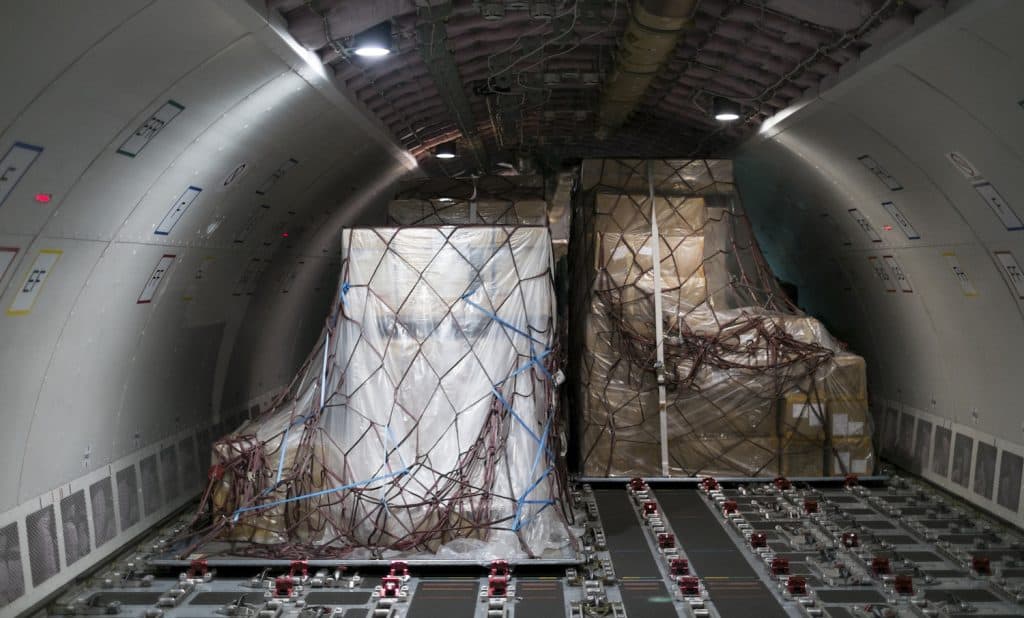
Cargo, however, provides some good news on the aviation front as robust export activity amid improving global business confidence boosted its demand. For APAC carriers, international air cargo demand (measured in freight tonne kilometre) climbed 7.6% higher compared to the same month last year, on the back of an acceleration in trade activity.
“Air cargo remains the single bright spot for the Asian carriers. International air cargo demand for the first two months of the year was 2.2% higher than in 2019. Nevertheless, cargo revenue could not offset the collapse in passenger revenue. With travel markets shuttered by border closures, airlines will require further government support to weather the crisis,” said Menon.
He added that while the rebound in economic activity is progressing globally, “the travel and tourism sectors continue to be severely curtailed by differing travel requirements and restrictions, with the unpredictability of further changes.”
Menon repeated his call to governments “to fully embrace the guidelines and collaborate with one another to ensure that travel requirements are harmonized for the convenience of the travelling public.”
ATTIA expands with new partners to revive tourism in APAC

Amadeus and Travelport have joined the Asia Travel Technology Industry Association (ATTIA) to help the revival and growth of the travel industry in Asia Pacific.
The two companies joined founding members Agoda, Airbnb, Booking.com and Expedia Group to carry out the association’s mission, which it states as to:
- Serve as an industry resource to governments to offer support in tourism recovery and growth efforts.
- Build advocacy and coalitions with governments, fellow trade associations, academia and multilateral organisations as well as destination marketing organisations to build a health travel ecosystem for the region.
- Leverage the use of data insights to future proof and support other industry partners like SMEs as they navigate today’s ever-changing landscape of the travel and tourism industry.
Collectively, the companies will “promote a deeper understanding of the policy issues that stand at the intersection of travel and technology in Asia Pacific,” said the association when annoucing the two new members.
It also states it will prioritise support towards government initiatives, which drive both domestic and international recovery including recommendation of policies and frameworks, to ensure the start of travel again, specifically policies that support safe and responsible travel.
“We have ambitions to leverage our members’ scale and data insights to help governments and businesses to navigate the changing landscape of travel and tourism,” said Richard Andrew, executive director of ATTIA.
“The return of safe, responsible travel is not just important for the tourism industry but also for the larger global economy, which benefits from international travel, trade and investment.”
SITA and Sydney ink new deal to support Covid recovery
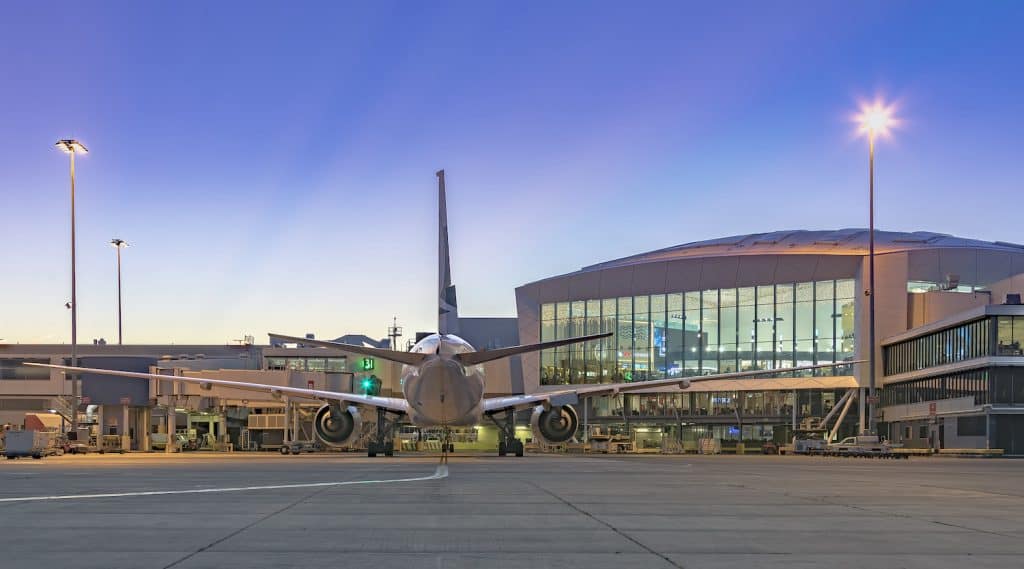
SITA has signed a five-year contract with Sydney Airport for the provision of common-use services at both Terminal 1 (international) and Terminal 2 (domestic).
The project, which went live on March 1, features SITA Flex, an advanced airport common use platform and includes SITA Bag Message that eliminates the need for multiple baggage system interfaces between airlines and airports.
This platform enables easy replacement of current traditional common-use touchpoints such as check-in, gate boarding and service desks, improved baggage experience such as on-site and off-site bag drops, and kiosks that can be re-used and repurposed as required.
“We understand the harsh impact of Covid-19 on airports globally and we’ve adapted our solutions to deliver airport operations that are resilient, agile and highly cost-efficient,” stated Sumesh Patel, SITA’s president of APAC.
Sydney Airport’s vision for development was laid out in its 2039 Master Plan, with the core tenets of enhancing passenger experience, increasing efficiency, focusing on safety and security and driving productivity.
• Featured image credit: Alexey_Fedoren/Getty Images