Brand Karma has just published its latest research on Luxury Travel Trends, and we present the summarised findings here. So Luxury digital marketers, this one is for you.
1. Small is the New Big.

In luxury travel social media, size does matter. But in this case smaller is better when it comes to digital content and personalization. Short, mobile-friendly, image-rich posts and personalized digital communications ensure messages are seen, shared, and loved.
2. To create contagious digital content, be brief, be bright, be remembered.

Digital content in luxury travel should be creative yet concise, avoiding the hyperbole and irreverent tone so popular in social media today that is inconsistent with luxury.
3. In Latin America, smartphones can equal affluence.
 Despite 70% of the population in Latin America owning a mobile device, most devices remain feature phones, making smartphones a qualifier of affluence in key markets like Chile, Mexico, and Peru. Similarly, low smartphone penetration rates for developing markets in Asia like Indonesia, India, and the Philippines indicate high-income families also account for a large percentage of their smartphone audiences.
4. Personalise and micro-target messages for massive returns.

Digital targeting technology improves every year and has enormous implications for brands wanting to personalize messages in a social context. Facebook’s Custom Audiences has ROIs reaching 50:1 for luxury travel brands.
5. Instagram and TripAdvisor are the most important social sites for luxury travel brands in the Americas while Dao Dao and ctrip also matter in Asia.
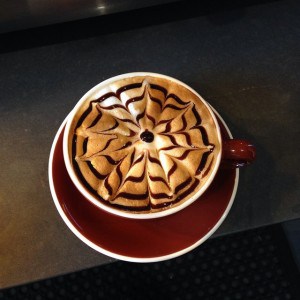
To win on these sites, luxury brands should ensure they have instagram-mable experiences — think ridiculous views, jaw-dropping lobby design, latte art, or locally-sourced F&B.
6. Travel advisors still matter and social media is their best friend.

The key to success is winning new customers one by one, showcasing one’s own luxury travel lifestyle on a personal Facebook or Weibo account, and building influence in digital luxury web forums.
7. While Latin America is drawing more luxury travelers than ever before, Asia is a hotbed for luxury travel hotspots.
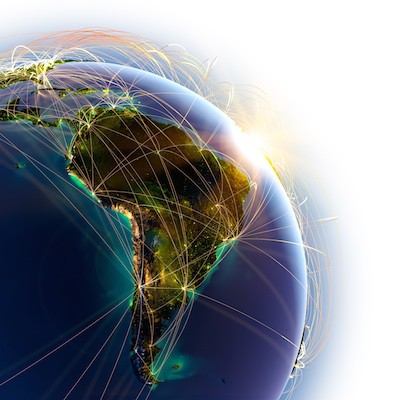
Destinations like Shanghai, Beijing, Hong Kong, and Bangkok continue to be popular for luxury travelers but Chongqing, Macau, and Guangzhou are seeing strong increases each year.
8. North American and Latin American Luxury Travellers have different needs.
Perhaps that’s no surprise, but Latin American luxury travelers care most about bedrooms and breakfasts while North American luxury travelers expect flawless and empathetic service levels at luxury hotels. Considering that 11% of all luxury reviews written by travelers from the Americas were about hotels in Asia, it is important for luxury brands in Asia to understand how to meet the needs and preferences of travelers from the Americas.
To learn more about each of these trends and the data behind them, download The Luxury Traveller & Social Media: The Americas, a special report produced by Brand Karma, global leaders in luxury travel digital analysis, for the upcoming International Luxury Travel Market (ILTM) Americas conference.
The report analyses 1,936,145 reviews written between January 2012 and June 2014 on more than 2,000 luxury hotels worldwide. Brand Karma COO and Co-Founder, Mario Jobbe, will explain these eight key findings at ILTM Americas 2014 in a dedicated seminar entitled ‘Contagious Content: How Luxury Brands Win in Digital’ on Monday 22 September at the Fairmont Mayakoba in Riviera Maya, Mexico.
• Images credit: Brand Karma