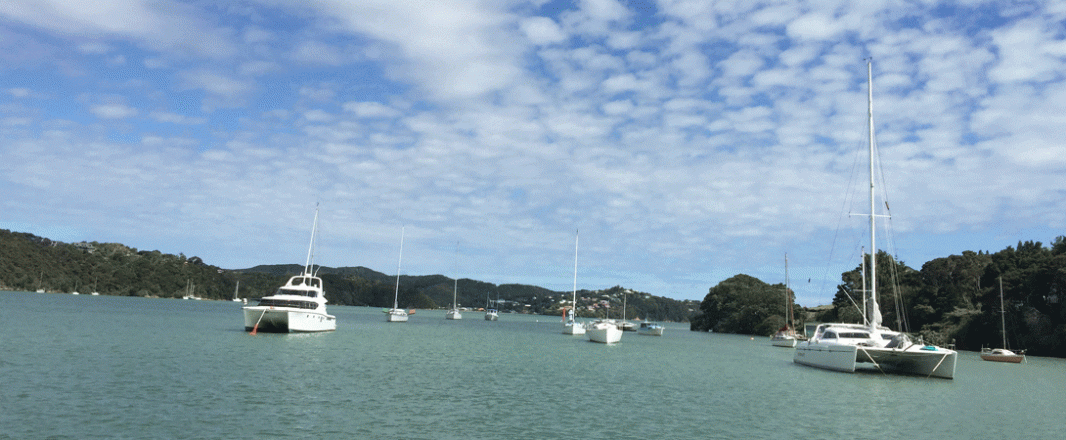
It’s amazing how much has changed in the last five years and perhaps it’s because we live it everyday that we don’t notice how it’s crept up on us, so as to be almost a part of us.
I am talking about technology, especially that part that moves with us, and why I believe (no brainer, really) this invisible web of things will power the biggest wave of independent travel yet to come, give more men and women the courage to venture forth on their solo self and, in the process, change travel and the way it is delivered and experienced.
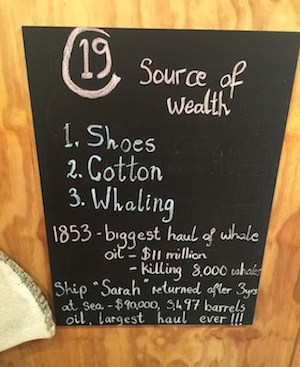
Sign of the times.
Take this trip to New Zealand as an example. I booked my own flight online (of course) and used Grab Taxi to get my ride to the airport. Remember, in the future, no one will stand by the roadside and hail a taxi.
I had tried to check in online but I presume because it’s a code share between Singapore Airlines and Air New Zealand (their new agreement forged just last year), I couldn’t do so on my SIA app nor did it allow me to choose my seat. Not quite as seamless as they promise.
On arrival close to midnight, the first thing I do is head to the Vodafone counter to get my Traveller SIM card for NZ$49. This would have been unthinkable even three years ago. A counter open at midnight in Auckland and a traveller SIM card to boot?
The Chinese girl serving customers is fast and efficient – a new wave of migrant population changing a city that’s just celebrated its 175th birthday.
My mobile device fuelled up, I am ready to attach me, the woman on the move, with me, the woman at home. It’s an extension of my persona.
In it I carry my music, books, photos, apps that will connect me to the world I have created and curated on my device. It will be like I never left home, which is kind of ironic given I’ve flown 10 hours in a metal tube to get away from home.
But as nomadic as we are, we are simple creatures of habit. We like to wrap ourselves in the familiar even as we step out into the unfamiliar.
I plug my iPhone to the car audio, open Spotify, go to one of my playlists and I am listening to the same music that powers my walks every evening in Singapore.
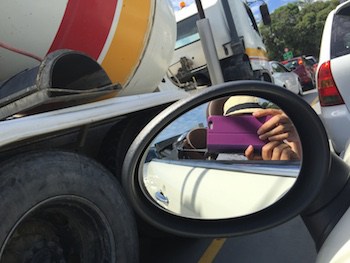
With this one device it’s like I never left home.
This one device has become indispensable –it’s our map, our recommender of places – it connects us to our family and friends through a world of apps; yet it disconnects us from the very places we are visiting and the people we are physically with.
It keeps us in our comfort zone, even as it may render those travelling with us uncomfortable with our attachment to what we’ve left behind.
But as creatures of evolution, we have learned to adapt to the two worlds and we flit in and out between the two.
It frees us to go where we like, with less fear of being lost. It liberates us from having to plan too much ahead of time because we feel we can stop and rest where and when we like. It gives us a sense of security to know others have been before and told us what it’s like, so it’s not completely unknown.
At Mangonui (featured image above), in Far North New Zealand, I visit the Butler Whaling Museum. It’s a gory history but one which we should learn about if only to learn from the mistakes that we made from killing the very resource that fed us.
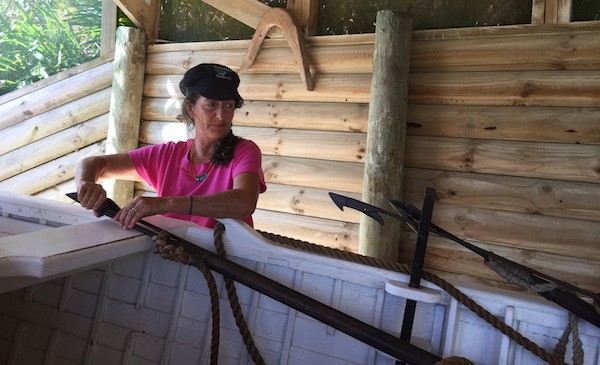
Butler Whaling Museum: That’s the harpoon used to spear the whale
I learnt that the whalers of old came from Nantucket in Cape Cod, North America, and stayed at sea for between three and five years depending on the catch they found. It is said no man, those who survived, did two trips.
The most famous story is that of the “Essex”, where only two out of 30 crew survived, after an encounter with a sperm whale. It’s a tale of horror, gore and cannibalism and was the inspiration for Herman Melville’s “Moby Dick”.
Captain Butler became a captain at the tender age of 27 and found his way from Nantucket to Mangonui without Google. He found Butler’s Point where he built his home without TripAdvisor.
It is said that you really only discover what’s on the other shore when you fully leave yours.
I wonder what Captain Butler would say about us today where we leave home but never really leave it.
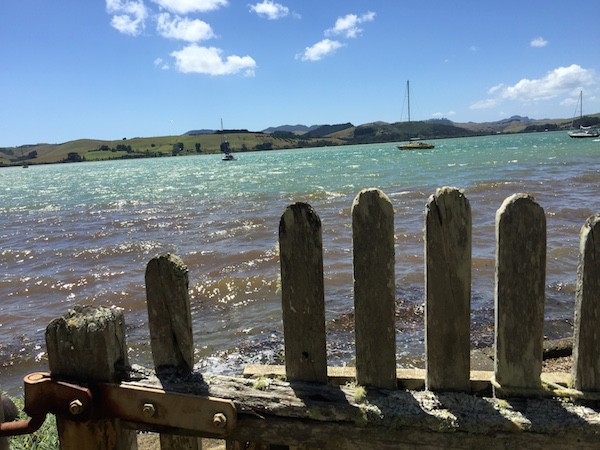
Butler’s Point