It’s difficult not to marvel at the growth of Emirates Airlines. In just 30 years – the airline was formed in 1985 – it’s grown into an entity that’s flying 45 million travellers a year from a home airport in Dubai that now sees 1,300 aircraft movements day.
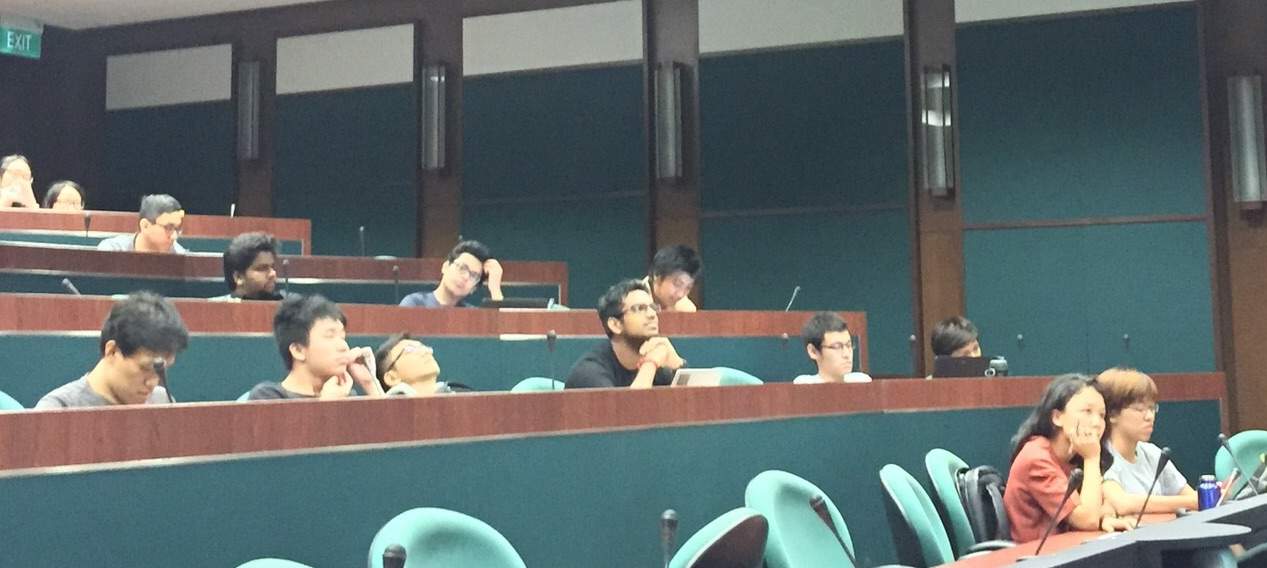
Students at the briefing held at NUS
Sanjay Sharma, head of IT Innovation, at the airline group shared these numbers with students of the NUS (National University of Singapore) Department of New Media and Communication, as well as the Keio-CUTE Centre of Innovation during a briefing of the first Emirates Travel Hackathon to be held in Singapore March 14-15 weekend.
Beyond growth, the airline also wants to take a leading role in innovation to create unique customer experiences for everyone who flies with the airline. It launched its first hackathon in San Francisco last year in which 300 coders came together to create 60 apps in 24 hours.
A lab has been created within his division to “work with some of the teams if we can help to take their idea forward or if Emirates can take their ideas forward”, he added.
“We want to reach out to young minds and talent to create new and exciting ideas to enhance the customer journey,” said Sharma.
While he said the airline had data and information on the anxiety points of customers during a journey, he told the students gathered for the briefing to think of their own pain points when they travelled.
Approach it as a customer would and think about how you’d like to make that journey easier at any point, he said.
The hackathon challenges participants to build new and innovative travel-centric applications that will improve customer experience by using web and mobile application programming interface (APIs).
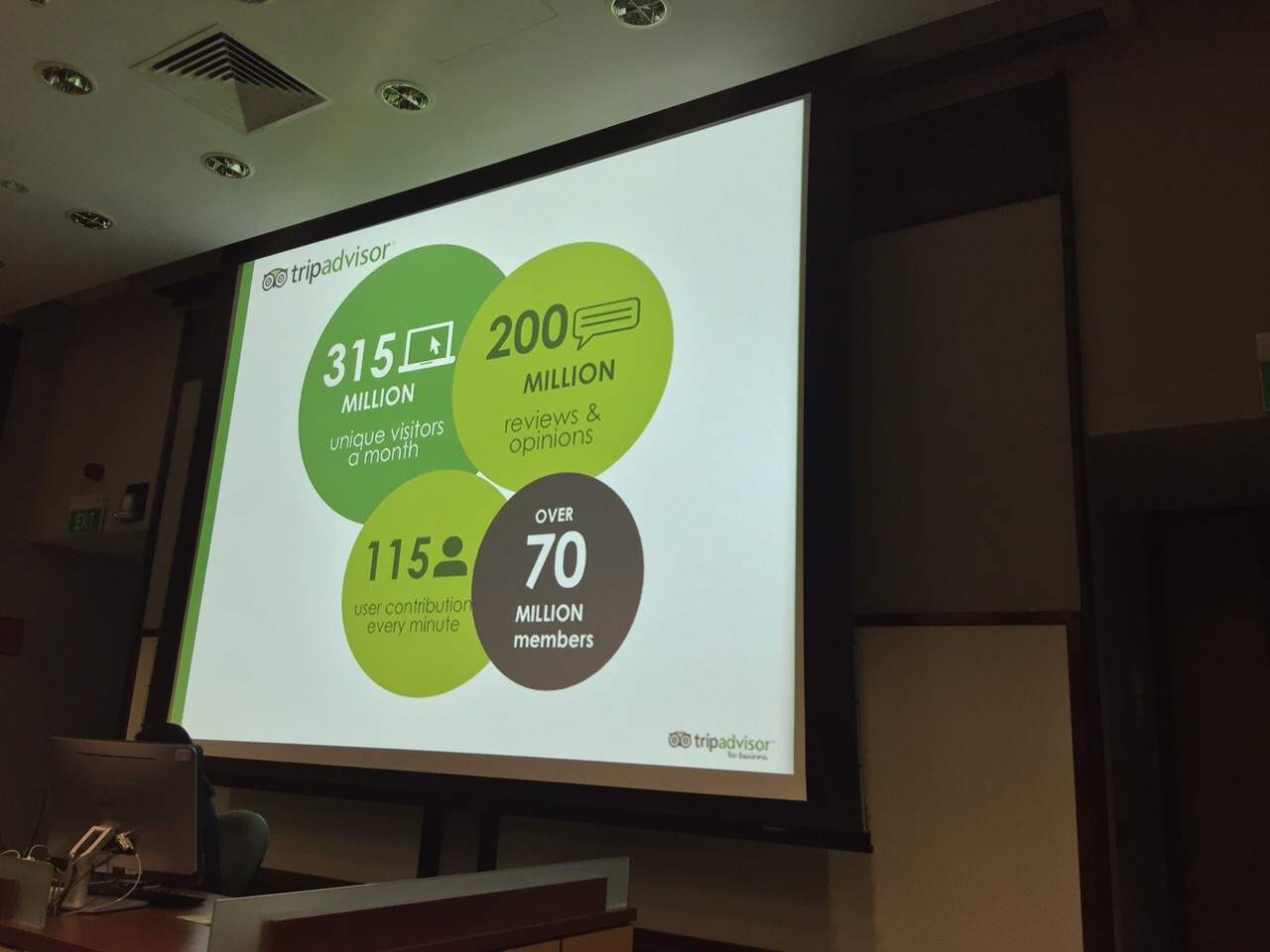 At the briefing, students also heard from partners involved in the hackathon – Circos Brand Karma is opening up its API for its semantic engine and participants can use that to create their semantic search apps; TripAdvisor, the world’s largest travel website, is offering its API which is open to 300 developers across the world; Wego is offering access to its flight search API – WAN.travel; while Skyscanner is making available its API which offers the most comprehensive flight search in the world.
Joe Sarre, Senior Product Manager, APAC at Skyscanner, who won the top prize at a hackathon organised as part of WIT two years ago, encouraged students to take part, saying the solution he had created then had been adopted and was being incubated by Skyscanner. “Such opportunities are available to you if you come up with great ideas,” he said.
Karl Holland, Technical Manager, Engineering, TripAdvisor, who spoke via Skype from Boston told students of the possibilities of using the TripAdvisor API especially in the area of trip planning.
Other partners coming onboard include LocusLabs, BlueVision and Sony.
The hackathon will have two categories – Student and Professional. To enter, participants can either form their own team or join an existing team. A panel of experts will judge the best apps in each category.
The winning teams, one from each category, will receive prizes and a trip to Dubai where they will have the opportunity to present their apps to Emirates management. Winners will also have the chance to participate in the WIT Middle East Conference in Dubai on April 8-9.
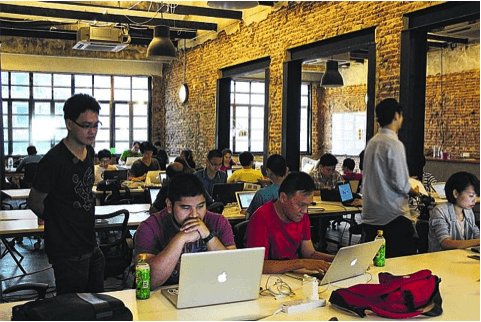 The 48-hour event, organised by WIT, will be held at 237 @ 237 South Bridge Road, an open space for innovation in Singapore (pictured left).
Register to participate at www.emirateshackathon.com. For enquiries, contact Sathish Jeyakumar of Emirates or Syazanah Haniff of WIT.
The first 50 to register and to show up for the event will receive a free Tshirt from WIT. A second briefing will be held early March for registered participants.