Last night, I slept to the sound of the ocean. It was the most blissful night’s sleep I’ve had in a while. Nothing like the sound of waves crashing to the shore to soothe the restless mind.
![IMG_2224[1]](https://www.webintravel.com/wp-content/uploads/2015/04/IMG_22241.jpg)
The view of Nusa Dua beach from Grand Nikko
A lovely sunny day dawns in Bali, a day before we open our third WIT Indonesia conference. We’ve chosen Bali for this third outing because well, it’s Bali.
Bali is truly the pioneer of travel in Asia. Indeed, way before tourism even became an industry, the first travellers came to Bali almost 3,000 years ago from evidence of historic artefacts found on the island.
In the 14th century, with the fall of the Majapahit empire, many artists, dancers, musicians and actors came to Bali “and the island experienced an explosion of cultural activities”, according to a piece in Lonely Planet.
European travellers came in the 16th century and they’ve been coming ever since – just that today, travellers from Asia have taken over – today it’s the Chinese who lead the pack, before that the Koreans and Japanese and let’s not forget, its neighbours from Singapore and Malaysia.
You could truly say Bali is where the world plays. It is also the place where one of Asia’s first true, integrated resort developments was built and today, we are in Nusa Dua which has changed beyond recognition from the first time I visited it decades ago.
Next to Grand Nikko are two properties being built. I’m told it’s the Ritz-Carlton taking shape. There are now more rooms, villas and private homestays in Bali than at any point in its history and the building continues.
I’ve always found Bali to be a deeply beautiful place. Beautiful, and vulnerable. Fragile. The fact that its peoples have managed to cling on to traditions and carry on their spiritual lives in spite of the onslaught of tourism is remarkable. The fact that padi fields in Ubud are able to withstand the onslaught of development is a miracle.
Bali is also vulnerable to natural disasters – it lies in an earthquake-prone zone – and, as we well remember, evil acts of terrorism. While things appear normal on the surface now, the security checks at hotel entrances are a reminder of how we can never take anything for granted, whether it be calamities inflicted by Nature or Man.
Nepal is also beautiful, and we’ve just found out this week how vulnerable it is. Today I received a note from a friend in Katmandu who said, “My family is OK. But it’s too painful to witness loss of so many people’s lives, suffering, devastation of centuries old heritage and properties”.
In yesterday’s New York Times, I was riveted by a column written by the editor of the Nepali Times, Kunda Dixit on the day it happened. It was a first-hand account of what she felt and saw as she was out hiking with her team on a hill overlooking the city.
“Puffs, then billows, of dust rose from various parts of the city, within minutes shrouding the whole valley in a brown blanket. The historic town of Bhaktapur, at the eastern edge, looked like it was being swallowed by a sand storm. Katmandu disappeared.”
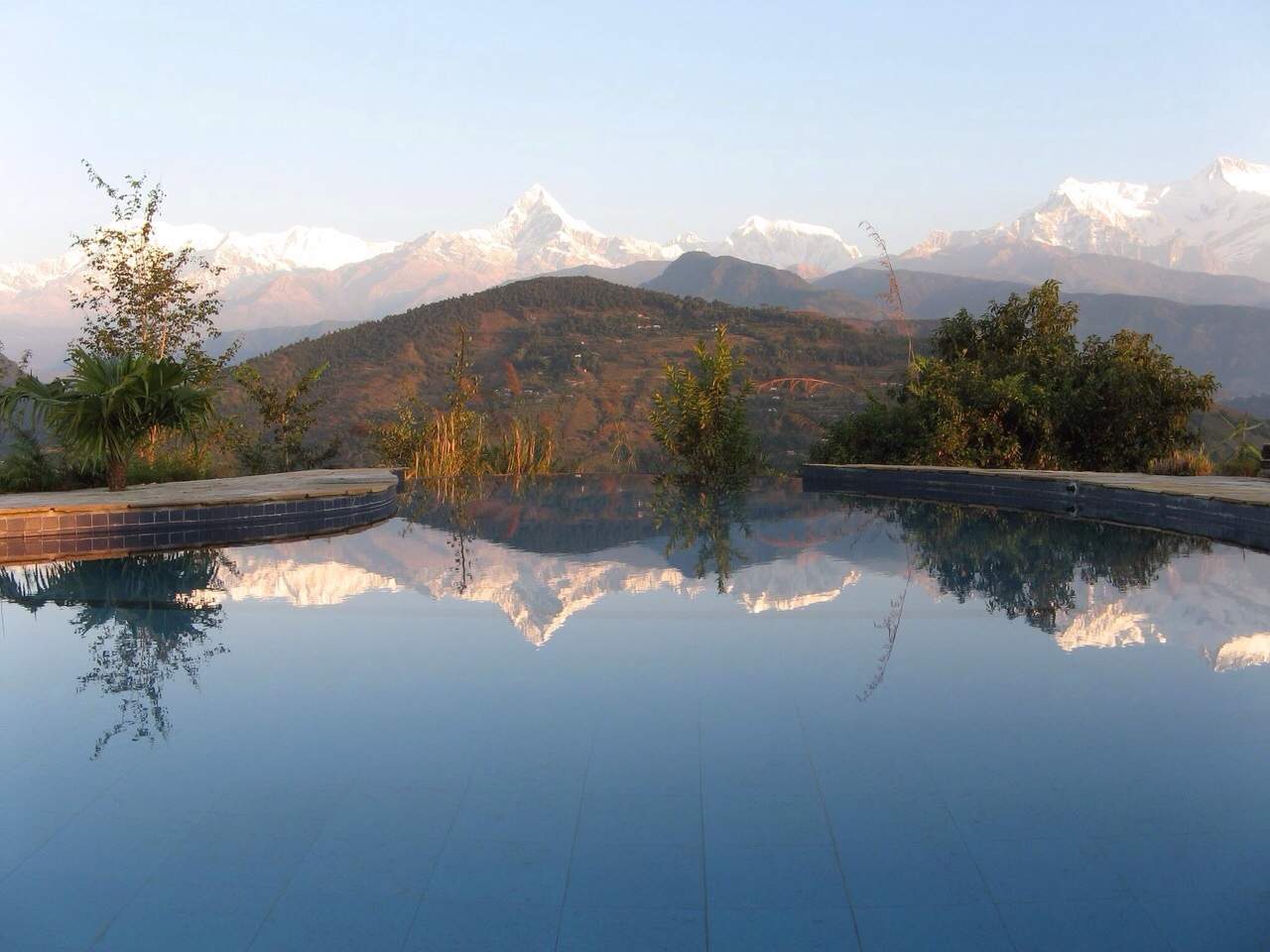
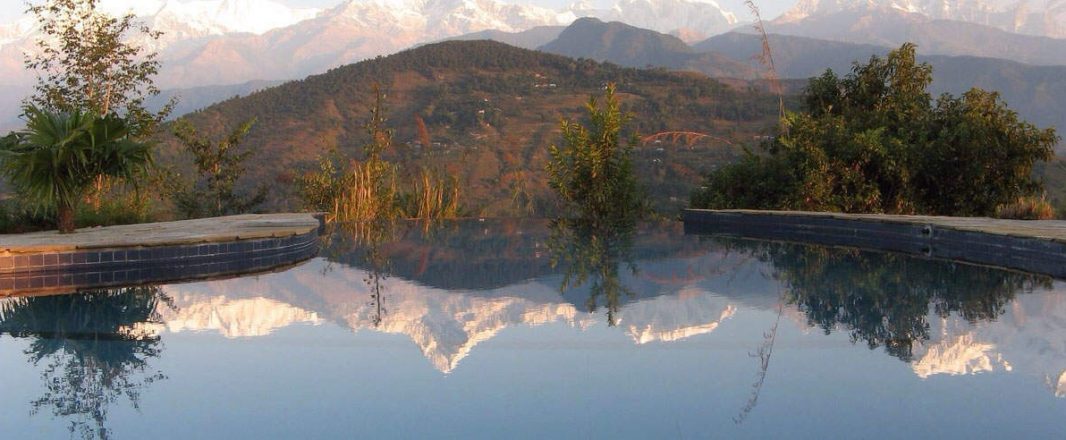
The view from Tiger Mountain Pokhara Lodge, taken by Romie Varley late last year
Those of us who have been to Nepal know what a special place Kunda lives in. Its World Heritage sites, its valleys, its mountains, its people – like Bali, it is both beautiful and vulnerable and I wonder if that’s true of beautiful places on earth. The Antarctic where glaciers are melting, New Zealand which sits on a Ring of Fire, Sarawak with its fragile rainforests …
It is good to see the world going to Nepal’s aid and it is heartening to see the travel industry come behind Nepal, as we did Bali, Japan, Thailand, Sri Lanka, the Philippines in their times of strife – we are united in travel and we are a tightly-knot community that believes in supporting each other through tough times.
At the airport in Bali, I ran into Oliver Hua, managing director of Booking.com, APAC, who told me that its Booking Cares initiative was launching programmes aimed at raising funds for Nepal. I am sure Booking.com is not alone in this and other travel companies are all doing their bit. Expedia Asia’s Kathleen Tan told me her staff is working on a programme as well. TravelWeekly has also thrown its support behind Tourism Cares Nepal Recovery Fund.
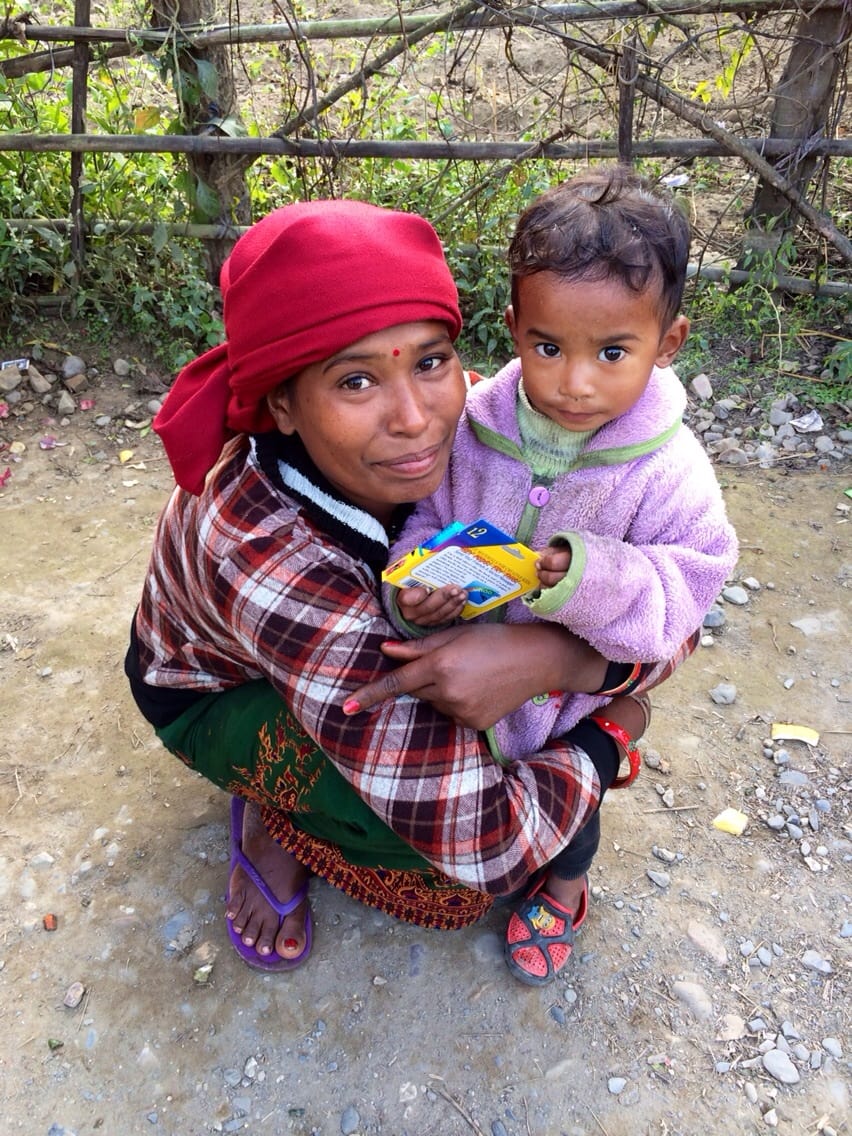
Villagers in the Pokhara region, taken by Fiona Rankine late last year.
We too will raise funds at our event tomorrow to support Tiger Mountain Pokhara Lodge’s director Marcus Cotton who has started an initiative to rebuild surrounding villages. The first village they have identified is Thuloswara, a small gurung traditional village that needs help to get back on its feet. Twenty houses were destroyed and families have lost all their possessions. (Here’s an article about Marcus Cotton and his work at Tiger Mountain.)
It’s a small step, but small steps will be what’s needed to rebuild Nepal, and to protect beautiful and vulnerable places like Bali.