
Steve Hui, CEO of iFLYflat, a company that manages frequent flyer points for businesses, believes that travel companies need to actively help customers earn their rewards to earn their true loyalty. He shared why in this presentation at WIT Middle East.

Steve Hui speaking at WIT Middle East.
Everyone has a loyalty programme these days, every hotel, every airline, every coffee shop. Some programmes have big numbers, but the question I posed to the audience at the WIT Middle East was:
“Don’t fall into the trap of believing that all your members are loyal – people only know how to join a programme, and they never leave, is it even possible to un-join?
In my interactions running iFLYflat, helping customers to manage their reward points, I’m at the ‘coal-face’ talking daily with the customers. Many of them are business owners in very diverse range of businesses, many are frequent flyers and also leisure travellers.
I group them into four main categories.
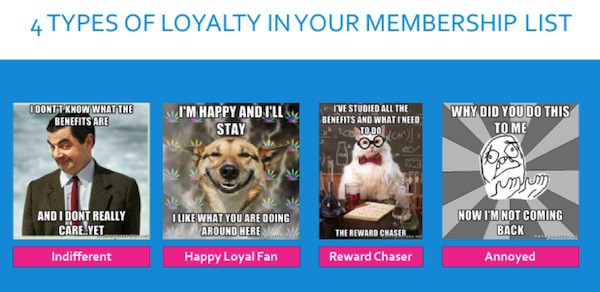
- Indifferent customers (majority of the membership) – Corporate travellers, leisure travellers, unaware of benefits and don’t believe the benefits are achievable.
- Reward Chasers (niche, a small group thats loves the chase) – Understand the benefits on offer, frequent travellers and can calculate they can achieve the hurdles to reach status. Will actively decide where the best value sits. Will switch brands if see a better deal, because they feel they need to constantly be ‘on top’ of the game themselves.
- Loyal fans (niche and will provide advocacy when suited) – Enjoy the brand. Have been won over by the service, location, USP. Know the rewards but not a primary reason.
- Annoyed (normally a small group but they are angry and vocal) – Feels let down by the company, where they have not been adequately looked after and holds a grudge. But they can be won back, but they feel no one has cared enough to try.
There is one emerging group that has huge potential to grow – if they can be engaged in the right way.
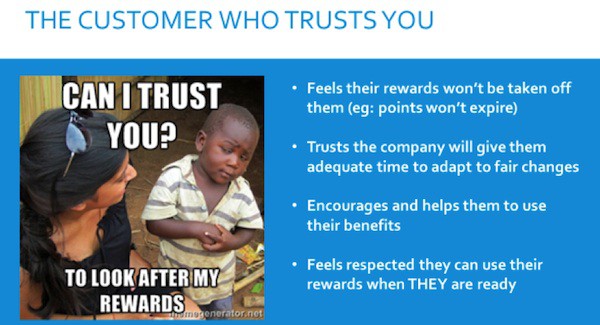
- “Trusted” (emerging group, with true growth options) – Feels the company is looking after them on a reasonable basis, does not need to be alert. Enjoys the rewards in the comfort of knowing the company will not “pull the rug from under them”.
In my presentation, I asked the audience, “Hands up – if you have personally, or know someone, who has lost their frequent flyer points – where their points have expired.
Remember the ‘shock’ and feelings of betrayal when you realised those valuable points have vanished, and the airline made very weak attempts to contact you about them.
How did it make you feel about that brand?”
From the audience, many hands shot up, while others nodded their heads, remembering the disappointment.
This new group understands so many options abound, and the customer is the king – so they are only willing to be loyal to companies which they can trust. This group sees loyalty as a two-way effort.
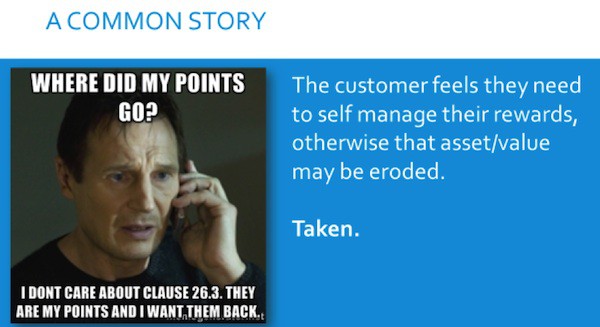
At the moment, the loyalty industry is largely self-service, for this I mean that the customer feels they need to self-manage their rewards positions and advancement, to self-manage the protection and use of their hard-earned rewards – otherwise the rewards may be eroded or taken.
There is a golden opportunity to use existing customers to grow your business, and to provide them with a guided approach to rewards advancement.
Customer trust is built when you look after them by:
- Encouraging them to use their benefits.
- Actively helping them to use their benefits for valuable rewards and not just poor value redemptions.
Customers want to:
- Know their rewards won’t be taken off them (expire etc)
- Feel they don’t need to keep watch on their rewards all the time.
- Trust the company will give them adequate time to adapt to changes.
You can turn an indifferent customer into a “trusted” one by guiding him or her to reach their reward goals. Reward chasing is hard work, and they have busy lifestyles and the last thing they want to do is manage their rewards. So make it easier for them to stay and spend with your brand, and guide and assist them to reach new levels of rewards.
Airlines are very aware of this desire, and they carefully construct their loyalty programmes to use them as a carrot.
I believe this where a bigger opportunity sits – to provide a guided approach to help customers to meet that desire and earn the rewards they want.
• Featured image credit (loyalty words): Loyalty Rawpixel-Ltd_iStock