The survey interviewed almost 2,600 respondents representing 26,000 business trips from nine countries in Asia Pacific, who made business trips in the first half of the year.
According to the survey, the average number of trips taken by Asia Pacific executives increased by 67% in the first half of the year, with 10 trips reported in the first half of 2012 versus six trips over the same period last year.
.gif) Mainland Chinese executives posted the highest increase in volume, with the average Chinese business traveller going on 17 trips in the first half versus nine trips over the same period last year.
Mainland Chinese executives posted the highest increase in volume, with the average Chinese business traveller going on 17 trips in the first half versus nine trips over the same period last year.
The next highest increase was among Indian travellers, who took 13 trips compared to seven last year.
The survey found Singapore emerging as the region’s most popular business destination in the first half of 2012 – the city state appeared in the “Top 3” destination lists of nine key markets surveyed. Last year, Singapore and Hong Kong vied for top honours.
Thailand emerged as another key business destination in the first half, appearing in the “Top 3” lists of travellers from Malaysia, Singapore, Hong Kong, India, Mainland China and Indonesia.
The planned destinations for the remaining half of 2012 are similar to those countries travelled to in the first six months of the year. The exception is Japan moves into the “Top 3” for Chinese and Thai business travellers for the first time since Accor began the annual survey in 2010.
Allocated hotel budgets increased slightly on the whole, with the average nightly room budget creeping up by 3.3% to US$125 from US$121 last year.
Singapore-based business travellers increased their average nightly hotel spend more than any other country, budgeting 16.4% more per night than last year, followed by Australian (9.5%) and Indian (3.9%) business travellers.
Indonesian travellers had the sharpest budget decrease (12%) and the lowest accommodation budget, at an average of US$81 per night.
Another key finding from the survey are the reasons Asia Pacific executives gave for increasing their travel this year. A change in job-title (38%) coupled with an increase in business activity (35%), and increased sales and marketing efforts (28%) were the most frequently cited reasons why business travel increased year-on-year.
Indian and Thai business travellers were the most bullish, with 47% of Indians and 45% of Thais citing an upswing in business as a main reason for increasing their travel plans.
Business travellers in Asia Pacific prefer booking online (82%) to offline channels. The majority of executives in the region (57%) book directly via the hotel’s website, with a quarter booking through online travel agencies.
India-based business travellers are the most likely to go directly to a hotel’s online portal (69%), with only 31% of Mainland Chinese travellers doing the same.
Business travellers from Indonesia and Thailand stated that being able to see what the rooms look like is also an important driver for choosing the online booking route.
The main reasons for booking online include convenience (73%), access to special offers (61%), ease of management (50%) and instant confirmations (48%).
Across Asia Pacific 74% of business travellers are in managerial or lower roles, with the exception of India where the bulk (65%) of business travel is done by executives at the director level or higher.
When looking at who is doing the bulk of business travel in Asia Pacific one interesting statistic is those who are not travelling – women.
Business travel in Asia Pacific remains dominated by men, with only one in four executives surveyed being women.
Thailand had the highest female-to-male ratio (40%) among Asia Pacific business travellers in the first six months of the year.
Australian and New Zealand business women took second and third place, with 33% and 30% respectively.
India rounded out the bottom of the list with only 6% of business travellers being women..
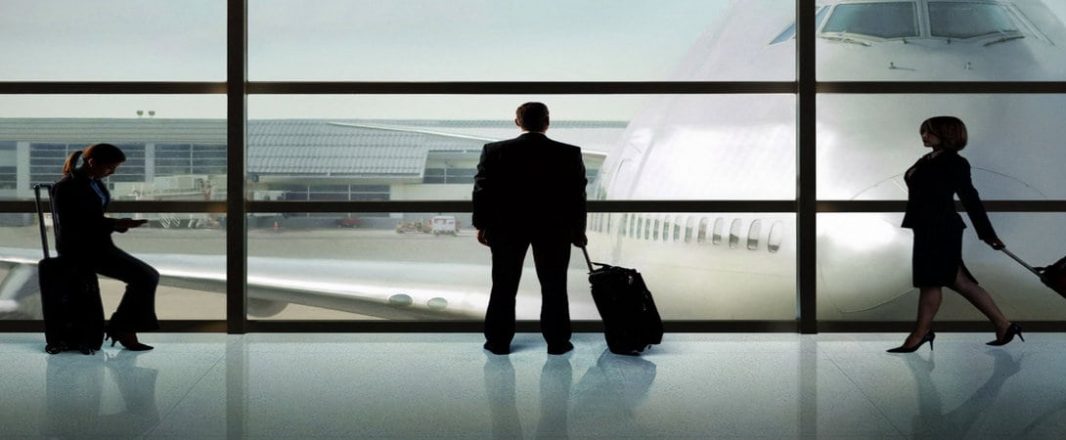
• Photo courtesy of Malaysia Airlines