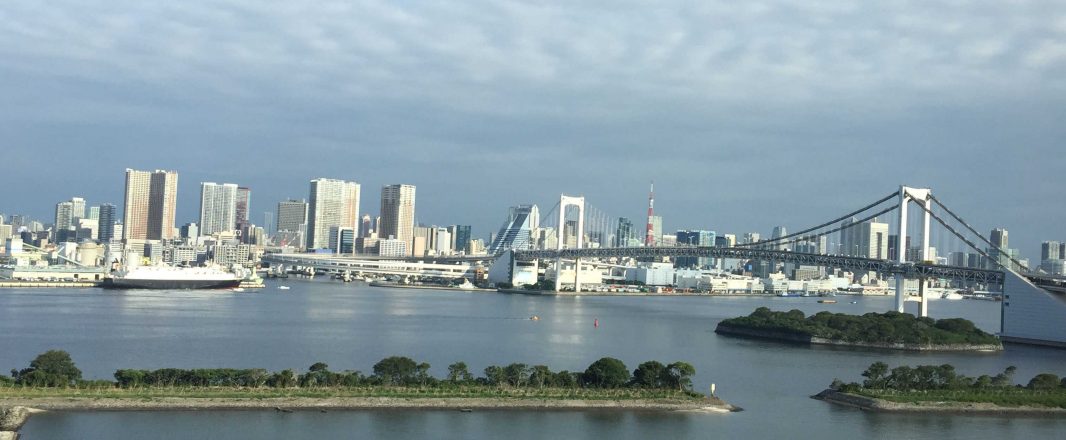
Arrived in Tokyo Monday morning on the Japan Airlines red-eye from Singapore. There’s a lot to be said when travelling to a foreign country on their home carrier – it prepares you for the destination.
We spend a lot of time lambasting national carriers and how wasteful and inefficient they are – look at Malaysia Airlines and the disaster it is, and JAL has had its share of financial woes for sure – but when a national airline reflects the country’s identity well and respectfully, it serves a good purpose in the traveller’s eye.
Travelling to Japan now is so much easier now that visas for South-east Asian countries have been lifted, and it’s done wonders for inbound tourism.
Indeed, the day I arrived, an email arrived in my inbox, sharing the news that Japan, along with Australia, have been rated Asia’s most tourist-friendly nations in the World Economic Forum’s (WEF’s) latest travel and tourism (T&T) competitiveness index.
Last year, Japan welcomed a record 13 million foreign tourists in 2014, helped by a surge in Asian visitors, including a near doubling of Chinese visitors. According to the WEF, Japan ranked first in the world in customer service and second for its unique cultural heritage, with the nation also scoring highly for its communications network and efficient air and ground transport infrastructure.
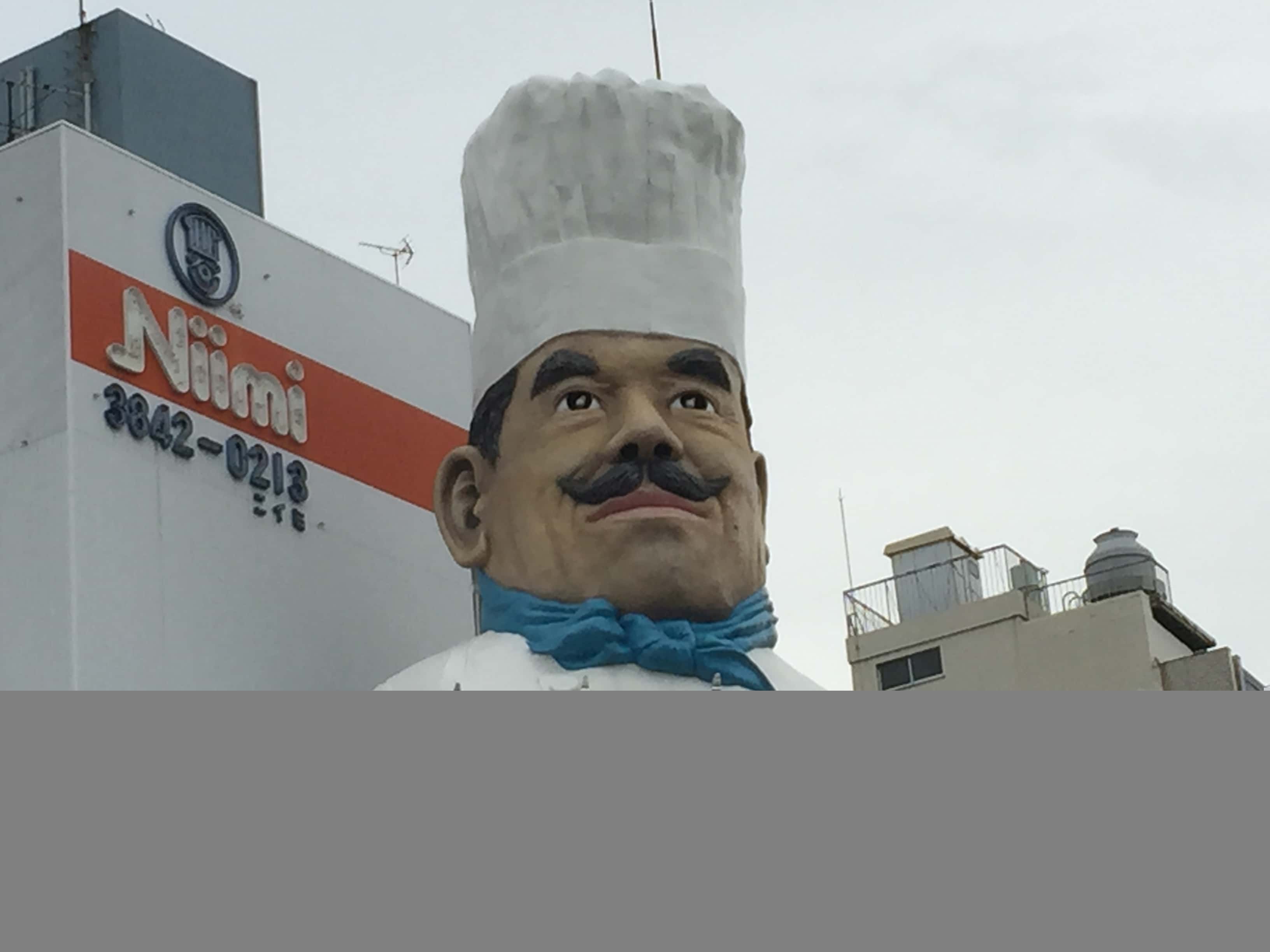
The Kotobuki, Taito, area which specialises in kitchen ware. Why does the chef look French, I wonder?
I took time the last two days to explore Tokyo as a tourist and was amazed by how much easier it is to enjoy the city these days.
Technology has helped to a great extent. While there is free wifi almost everywhere, you can now buy local data packs from companies such as Global Advanced Communications.
Order your kit online, they deliver it to your hotel, you use it for the time you’re in the country and then return to them via self-addressed envelope. You can access Google Maps to ensure you don’t get lost – I found myself walking more between places thanks to this. There’s the Tokyo Subway app available in English, Korean and Chinese.
I asked an Uber driver how much of his business is from foreigners and he says the majority since he started with Uber a year ago. The driver I had last night spoke a smattering of English and even if they don’t, they will ensure you get to your destination – even take you to the door. That’s how hospitable they are in Japan and how proud they are of what they do.
On Monday night, it took our driver nearly an hour to find this hole-in-the-wall place we had been recommended – Warasu – and when we finally found it – the wrong address was listed on Google Maps – he kissed the floor and took photographs with us.
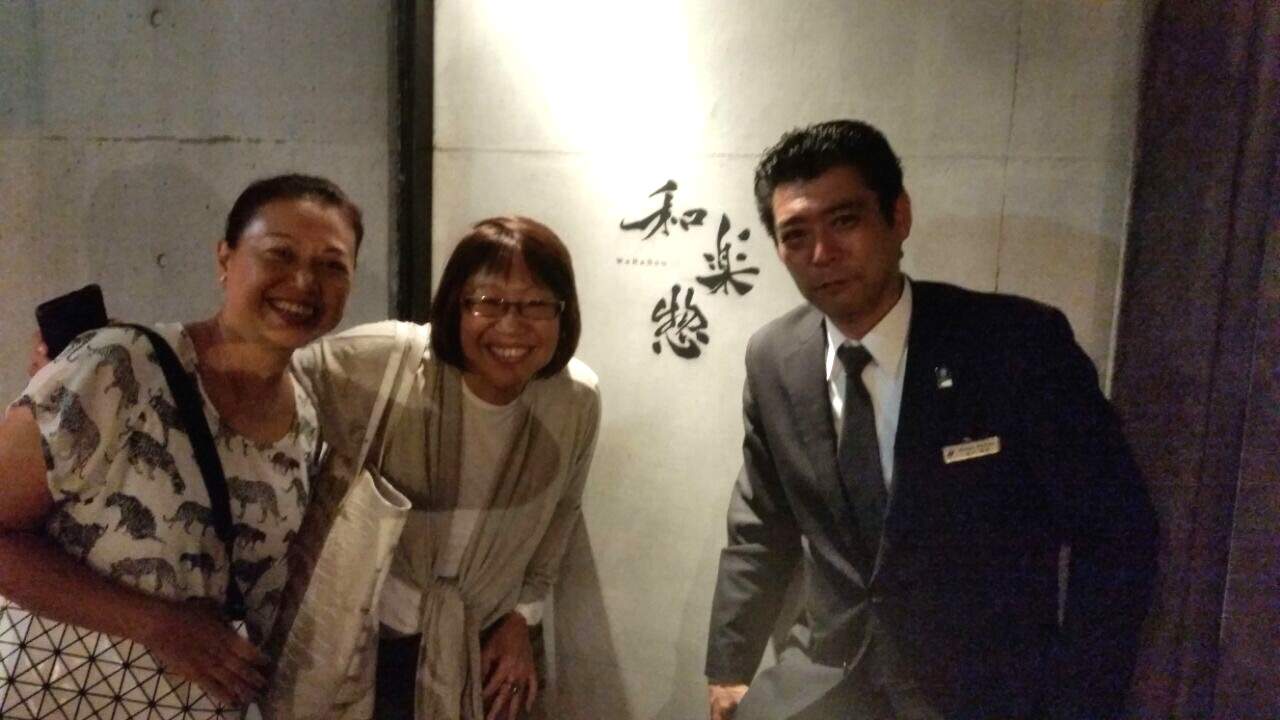
The Uber driver who got us to our destination Monday night.
At Asakusa, I went into Agora Place, a boutique hotel that’s positioned itself for the tourism boom from Asia. It’s got a Taiwanese manager and here you can “style your stay”, ala low cost airline model. You can choose simple, basic or comfort in terms of amenities.
I popped into a little mom-and-pop soba place in Asakusa and they had a simplified menu in English with pictures. It said, point and order.
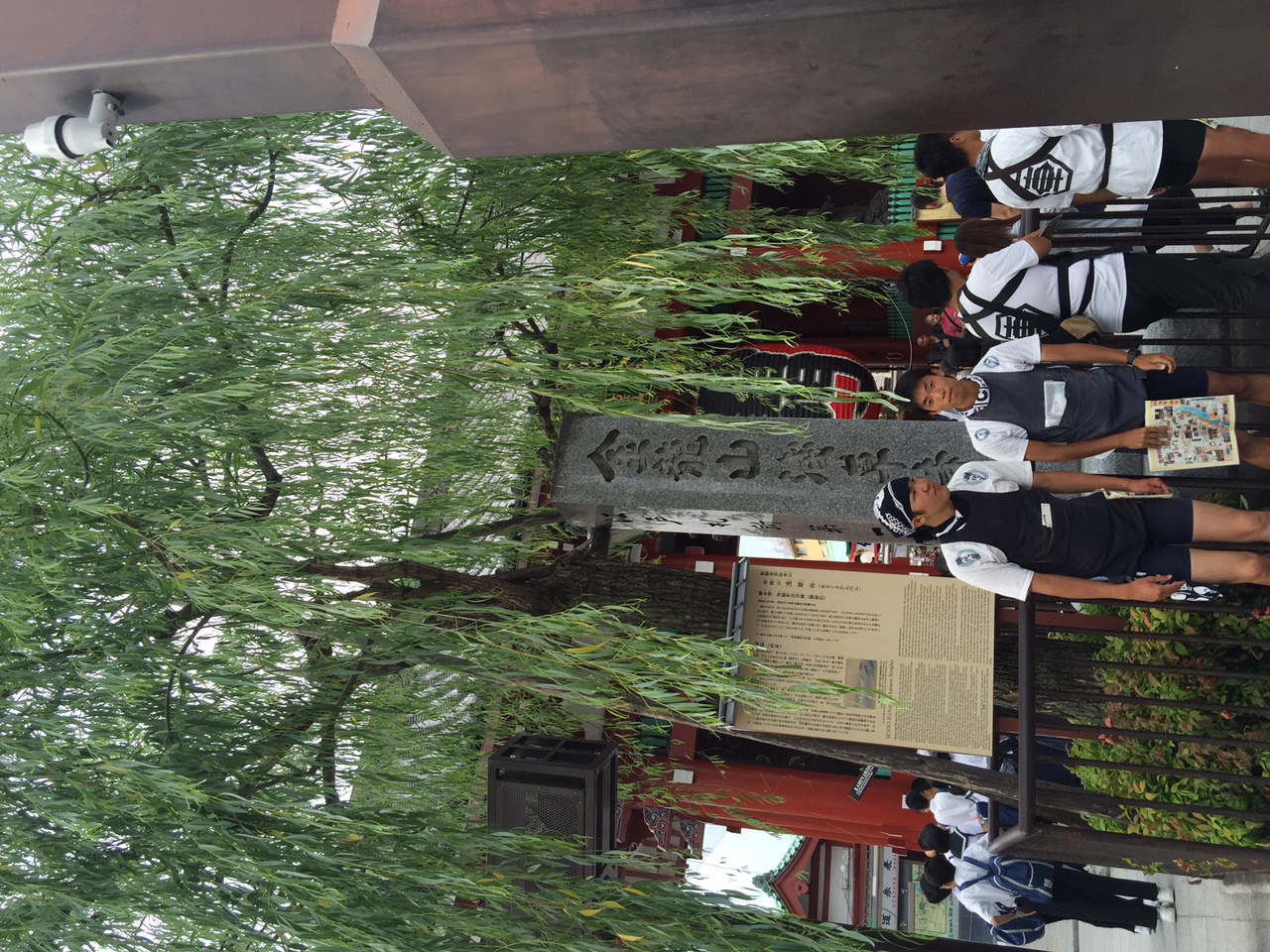 At Asakusa Shrine, men baring strong, young legs tout for business from tourists for their “powered by human” rickshaw rides. They seem very popular with young Chinese girls.
At Ginza last night, after dining on tempura, we walked past lots of salaried men either coming out or going into “gentleman clubs”, popped into a place called NB Club and met a Hawaiian-born singer who said she’d been performing in Tokyo the last six years because the pay was better than back in the US. It was pretty quiet and so we asked her if it got busier later and she said, “Deader.” I think gentleman clubs do better in Ginza than live music joints.
In shopping malls, the evidence of Chinese shoppers is overwhelming. At Uniqlo in Diver City, we heard an announcement in Mandarin, advising customers not to speak too loudly, not to squat in public and not to “kick the dog” (unless this part got lost in translation).
It proves that like everywhere else, Japan is struggling to cope with the huge increase in Chinese visitors. Any nationality in mass mode is a challenge, and we can expect more challenges when this market really gets on the move.
Tomorrow, we will kick off our Bootcamp where we will hear from 11 start-ups pitching for the Grand Prize which will bring them to an audience at WIT Singapore in October. We will hear from new models that are changing travel and consumer behaviour – tours and activities start-ups are flourishing in North Asia, and mobile and media are converging.
On Friday, the curtains will open on our biggest event since we started in Tokyo four years ago. More than 400 delegates are expected and we’ve got the widest diversity of participation yet from North Asia.
One session I am particularly looking forward to is the panel with a ryokan novelist and writer, Hisashi Kashiwai, and two ryokan owners, the first time they are speaking at an international travel conference. Kyohei Yamamato is the third generation owner of a 57-year-old ryokan, Beniayu, and Yusuke Nagata is also the third generation of Sozankyo, a 57-year-old ryokan.
Ryokans go back to the 8th century in Japan and they offer authentic glimpses of traditional Japanese hospitality and life, and they are not easily accessible to foreigners. Most of these places are not open to foreign visitors in the first place not because they are hostile but because they don’t need to, plus many don’t want to change their ways to suit ours. Which is a fair point.
It’ll be interesting to hear how some ryokan owners are adapting to the changing times.
And oh yes, another change – the Hotel Nikko, which has been our home these past years, will be rebranded Hilton this October.
Anyway, what all this goes to show is that North Asia travel is on the move and the online travel show is, well, just getting started.