.gif) The Malaysia-based airline, due to take to the skies on March 23, promises fares that are “competitive”, either on par or even lower than AirAsia’s.
The Malaysia-based airline, due to take to the skies on March 23, promises fares that are “competitive”, either on par or even lower than AirAsia’s.
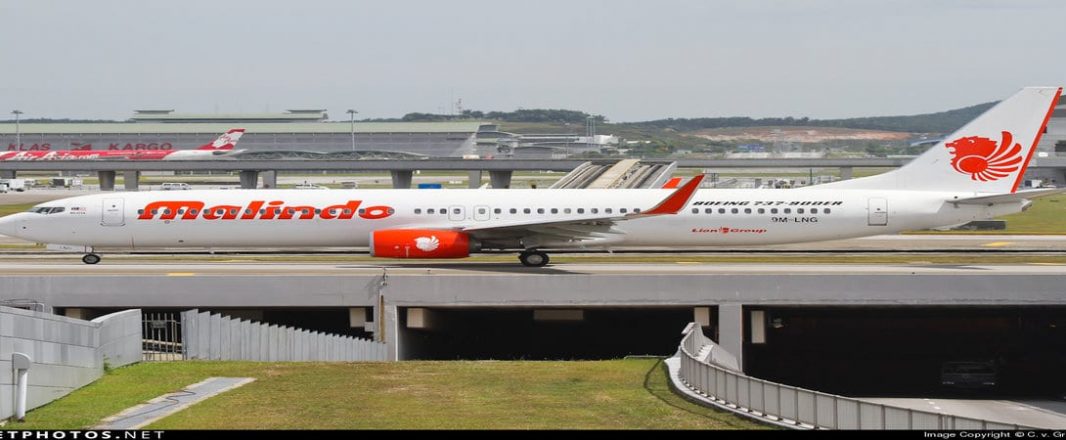
Even though it’s a no-frills carrier Malindo Air will offer free inflight entertainment, light meals and Wifi facilities. It will have a two-class configuration – business and economy – with seat pitch of 31 inches.
Despite all these “goodies” from the new airline Tan Sri Tony Fernandes, AirAsia Group CEO (pictured left), is unfazed. He is rather sanguine about Malindo’s entry to the fray, dismissing speculation that it would pose a competition as both airline will be plying almost the same routes.
Instead he welcomed Malindo’s formation, saying AirAsia had always advocated for Asean to be opened up. Its entry was good for the region and in tandem with the Asean Open Skies Policy, which will come into force in 2015, he said.
“It’s good for Asean and helps our vision of one Asean sky, and hopefully one day we can own 100% of our overseas ventures,” said Fernandes.
AirAsia’s position in Indonesia will also not be affected by the new development as its acquisition of Batavia Air, due to be completed in the second quarter of 2013, will add 33 aircraft to AirAsia Indonesia’s current fleet of 19. This will strengthen the airline’s competitive position in the archipelago.
.gif) The budget carrier also recently shifted its regional headquarters to Jakarta, a move that some perceive as a threat to Lion Air, which controls a 45% share of Indonesia’s air travel market.
The budget carrier also recently shifted its regional headquarters to Jakarta, a move that some perceive as a threat to Lion Air, which controls a 45% share of Indonesia’s air travel market.
The launch of Malindo Air in Kuala Lumpur on September 11 by Malaysia’s Prime Minister Datuk Seri Najib Razak (pictured right) caught many industry people by surprise as there was not much fanfare, apart from the press invite, and no flying in of journalists from the region to cover it. Ironically the understated event ended up making a lot of headlines.
The Prime Minister said the new airline would meet the growing demand for low cost travel, as well as increase connectivity between cities in Malaysia and Indonesia.
Najib stressed the collaboration not only marked another milestone in the nation’s aviation industry, but also represented yet another facet of the close relationship between Malaysia and Indonesia.
Nadi will hold 51% in the new carrier and Lion Air the remaining 49%. Chandran Ramamuthy of Lion Air will head the new venture as its chief executive.
.gif) Lion Air is Indonesia’s largest private carrier flying to more 36 cities within the archipelago and regionally to Singapore, Malaysia and Vietnam with a fleet of new Boeing 737-900ER and ATR72-500/600. It is also launching a full-service carrier in Indonesia ,Batik Air, which will start operations in March next year with six Boeing B737 and five B787 aircraft).
Lion Air is Indonesia’s largest private carrier flying to more 36 cities within the archipelago and regionally to Singapore, Malaysia and Vietnam with a fleet of new Boeing 737-900ER and ATR72-500/600. It is also launching a full-service carrier in Indonesia ,Batik Air, which will start operations in March next year with six Boeing B737 and five B787 aircraft).
Nadi is a Malaysian aerospace and defence company and a major player in Malaysia’s maintenance, repair and overhaul (MRO) industry.
Malindo will be based in the new KL International Airport 2 (KLIA2) due to open in June 2013. it will also use Kota Kinabalu in Sabah as its secondary hub. Lion Air will manage the airline, while Nadi will handle training and aircraft maintenance.
Lion Air president director Rusdi Kirana (pictured below left) said Malindo would launch services between Malaysia and Indonesia with a fleet of 12 new Boeing B737-900ER aircraft (from Lion Air’s fleet), before expanding to other cities in Southeast Asia.
 The airline plans to expand its fleet at a rate of about 12 aircraft every year to bring the total fleet size to about 100 within a decade. The Boeing 787 Dreamliners will be introduced to the fleet in 2015 to fly to destinations in Australia, China, India and Japan.
Rusdi dismissed suggestions that Malindo will be competing with AirAsia in its home market.
“We are not competing, but rather complementing it by bringing in more passengers,” he said.
Malindo will use Jakarta and Bali as hubs and fly out from a few cities such as Medan, Pekan Baru, Makassar and Surabaya to Kuala Lumpur and Kota Kinabalu, and there on to other international destinations.
“The idea is to build passenger growth by giving them affordable prices and better service,” Rusdi said.
Despite all parties saying there was not intention to spark a price war some analysts, however, contented that such a situation could be in the offing especially with the low fares that Malindo is offering.
As a note released by RHB Research Institute stated, “We believe Malindo Airways is eyeing primarily AirAsia’s lucrative domestic market in Malaysia. Theoretically, Malindo Airways, being a new entrant in Malaysia, will go all out for market share at the expense of profits by undercutting prices.
“AirAsia, on the other hand, may also want nip the competition in the bud by dropping fares. This will result in a full-scale price war,” the firm said in its note.
So let the (price) games begin.