Under new leadership and housed in plush new offices, Expedia Inc has moved to underscore its commitment to the region with industry gatherings in Bangkok and last week, in Singapore.

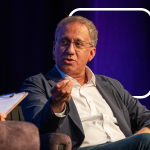
Neal (right) and De Schepper, leading the charge at Expedia Asia
At the Singapore event, attended by close to 100 hoteliers, the leadership team, led by interim CEO Jonty Neal and Mieke De Schepper, Vice President, Market Management, Asia Pacific, Expedia® Lodging Partner Services, spoke of the group’s determination to be relevant and win in the APAC region.
Neal, who was CFO of the AirAsia Expedia joint venture for the last two years, took over the reins from Kathleen Tan following a global reorganisation which followed Expedia’s increase in ownership to 75% of the joint venture. Neal told the audience he’d been with Expedia 12 years and worked in China as well as Hong Kong.
Tan’s sudden departure left the Asia team in shock and an industry wondering what was happening within Expedia, particularly its activities in Asia which had seen quite an uptick under the seasoned marketer’s leadership. From advertising on Bangkok’s trains to radio ads in Singapore to TV and print campaigns in Tokyo, Seoul and Hong Kong, the Expedia brand was beginning to be noticed, helped along as well by Tan’s expertise in social media – Expedia Inc’s CEO Dara Khosrowshahi himself called her a “PR machine” at an industry conference.
The evening event, clearly intended to signal a fresh start for the business, served to update hoteliers on Expedia’s global ambitions and where APAC sits within that. The office move from a shophouse in Chinatown to the swanky address of South Beach in the city is also symbolic of a stronger Expedia influence in the joint venture – it certainly feels more Expedia than AirAsia.
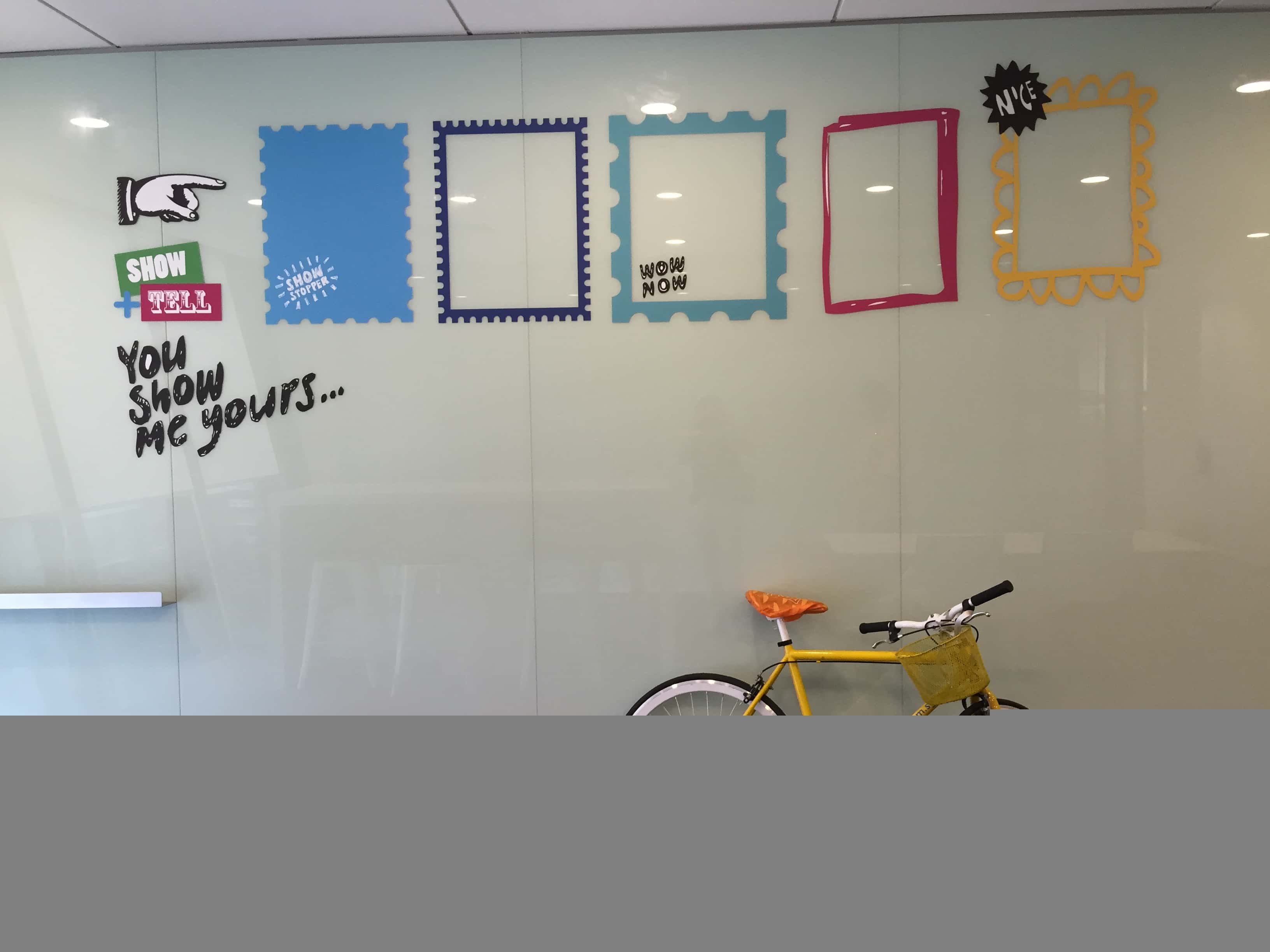
New offices in South Beach: Lots of space, colour and fun corners
It’s like a start-up has suddenly grown up and put on a suit.
Neal told hoteliers that a total of US$2.6 billion has been invested in sales and marketing in the last 2 years and another $650 million investment had been made in technology. The appointment of chief engineer Aman Bhutani to President spoke of Expedia’s commitment to technology, he said.
To underscore the group’s scale, he told hoteliers that the Expedia group attracts an average of 61 million unique visitors a month across its sites and booked 183m room nights globally last year. It employs 3,000 technologists across 50 countries and did 2,000 AB tests in 2014.
“We are expanding very aggressively in APAC, our future depends on it,” said Neal.
And while intra-APAC travel accounted for 75% of the group’s business in the region, the group, with 150 sites in 70 countries and in 35 languages, also aims to drive high value American and European consumers to Asia.
Positioned as the only global full service OTA, Neal said the group saw great opportunity for packages in Asia. In 2014, it enjoyed about 25% growth in packages in Asia, and has enjoyed three sequential years of growth in room nights booked in the region.
Mobile accounted for 20% of transactions, and it doubled mobile transactions in 2014, said Neal.
Hotels remain the key revenue generator for Expedia. Its full year 2014 financial results declared that “as a percentage of total worldwide annual revenue, hotel accounted for 70%, advertising and media accounted for 8%, air accounted for 8% and all other revenues accounted for the remaining 14%.”
De Schepper said the fastest growth is in inter-APAC travel and demand is on the rise for destinations such as Okinawa, Busan, Bali, Boracay and Jakarta. Singapore was enjoying 20% growth, she said.
“We are investing in Asia. With Wotif, our aim is to convert their consumers to Asia and in China, where we have sold our stake in eLong, we are investing and building to grow the outbound consumers from China.”
At the event, hoteliers were also told that Egencia, Expedia’s corporate travel arm, was opening point of sale in Singapore and Hong Kong, and Hotwire, another Expedia brand, was coming to Asia.