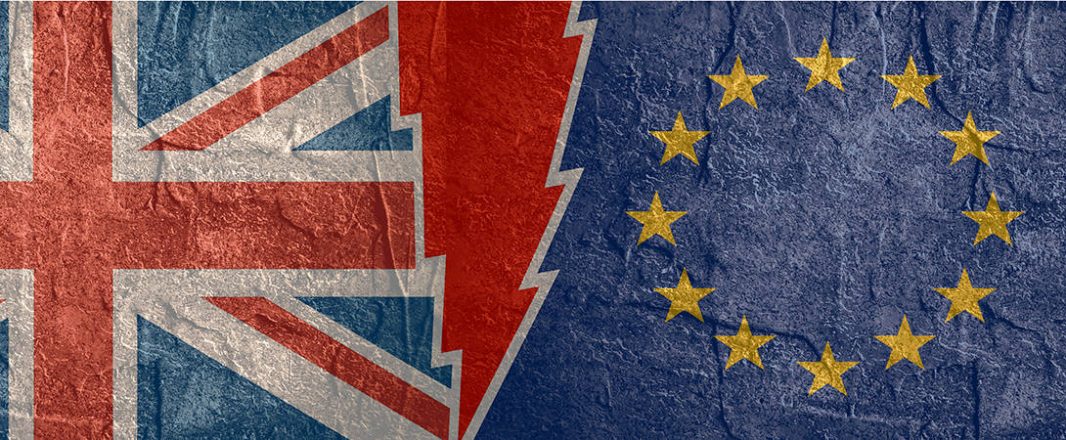
The implications for travel, post-the Brexit vote, are immense. Hard questions will have to be asked and they will be at the inaugural WIT Europe in London this Thursday.
So it has come to pass. The UK will leave the European Union (EU) and as the world grapples with the massive implications of the decision of the EU Referendum last week, travel and tourism leaders are also wondering what impact this will have on the industry.
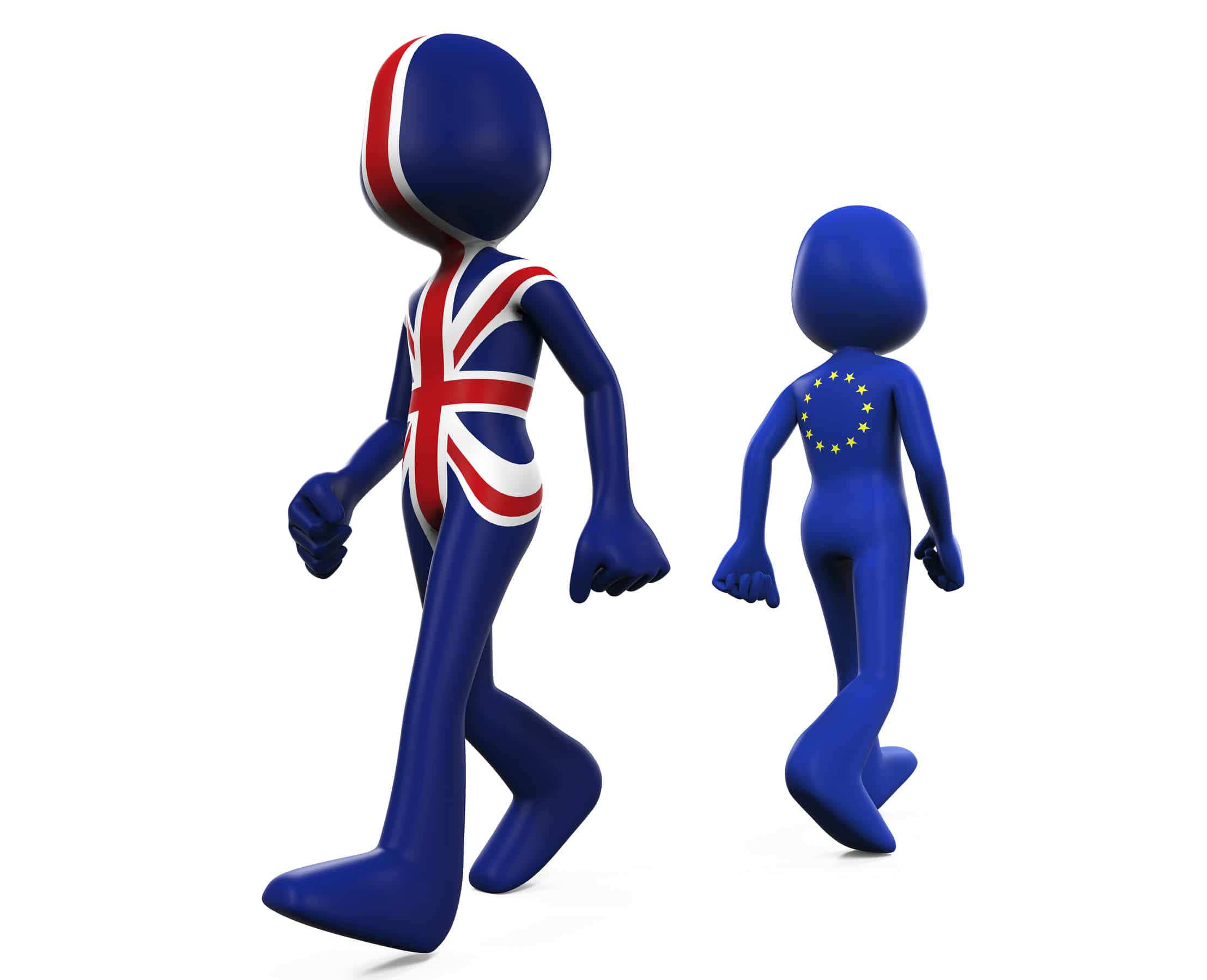
The UK is finally walking away from the EU. (Image credit: Nerthuz/iStock)
For make no mistake, there will be impact at every level – inbound, outbound, aviation, hospitality, corporate strategies – not just within the UK or Europe, but globally.
The UK is the world’s fifth largest economy, London is the most important English-speaking gateway to Europe and in 2015, the UK received 36.1 million overseas visitors who spent £22.1 billion, record levels for inbound tourism.
An immediate positive impact could be a boost in inbound tourism. Right after the decision was announced Friday morning, social media networks across Asia exploded with talk of the weaker pound and how it’d be a good time to visit London, and money changers in Singapore ran out of pounds in a few hours.
This is the peak summer period for travel across Asia so it’s a good time to woo value-seeking travellers from the region.
Ross Veitch, CEO & co-founder of travel search site, Wego, said a UK holiday is going to be cheaper for most foreign tourists than it has been for about 20 years. “The UK pound has dropped 9.8%, with the value of the pound to the dollar at 1.3415 in early trading since the referendum result has become clear. In-destination trip costs such as accommodation, dining, entertainment and shopping will allow significantly better value for the foreign traveller after exchanging their local currency.”
Singapore tour operator Chan Brothers said that should the pound continue to weaken against the local currency, already-strong demand for travel to the UK “looks set to continue”.
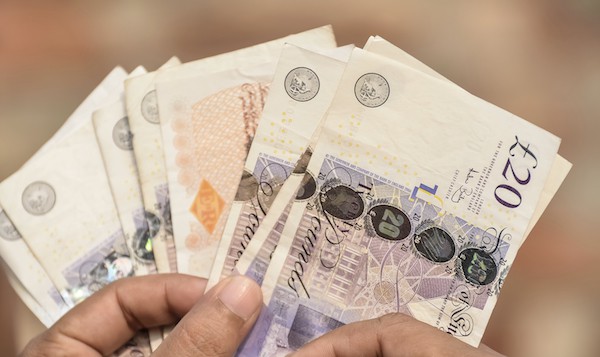
The falling pound will impact travel to both UK and other parts of the world. (Image credit: sbhaumik/iStock)
“The British pound has been falling steadily against the Singapore dollar since August 2015. This is definitely a boon for travel,” said Ms Jane Chang, its head of marketing communications, adding that the agency has so far seen a 30 percent year-on-year growth in demand for travel to the UK.
On the flip side, outbound travel could take a severe blow if predictions about the UK entering “a period of chaos and decline” come true. According to this report from ABTA, outbound travel’s economic contribution in the UK totals £28.3 billion, representing 1.8% of UK Gross Domestic Product (GDP).
Commented Timothy O’Neil-Dunne, managing partner of T2Impact, “For UK outbound – one of the largest travel communities in the world – this is a big blow. The late bookers for the summer and end of the year will be hard pressed to fund the extra 10% or so of cost.”
Destinations everywhere, from the US to Europe to Asia and Australia, will feel the brunt. “We expect there will be a overall drop in inbound tourists from the UK due to weakness in pound and uncertain economic impact of the Brexit. The UK makes up almost 30% of Singapore’s inbound travellers from EU, so we would certainly feel some impact,” said Winnie Tan, CEO, TripZilla.com, said in this report.

Travel to Asian destinations like Myanmar will feel brunt of weak pound. (Image credit: Sean Pavone Photo/iStock)
But the implications are wider and deeper than immediate inbound and outbound tourism flows, and harder questions will be asked.
Will global travel companies maintain their European headquarters in London? For example, Expedia, Hotels.com and TripAdvisor maintain offices in London. In this report, Google and Amazon said they would significantly pull back on their UK operations should the vote not go with Bremain.
Could other European cities such as Amsterdam and Frankfurt benefit? Dublin, in the European Union, is seeing major investments by tech giants like Google and Facebook as the city positions itself as a significant tech hub for Europe.
With the potential destabilisation of the European economy, will Europe-based travel companies step up more aggressive efforts to engage with Asia, and grow their footprint in the region? This latest development could lend more urgency to these efforts.
What happens to UK aviation? This opinion piece threatens “dire consequences”, saying the “UK aviation market was indeed one of the stand-out beneficiaries of the EU framework and market, and will now be the one most impacted by this referendum decision”.
Said Peter Morris, chief economist at Ascend Flightglobal Consultancy, “My view, echoed by many economists, has been that a devaluation of the pound by 25% is possible, which has an immediate impact of at least minus 10% on UK outbound travel. Further, the inevitable downturn of the UK economy by 2017 will cut back both business and travel spend, and the airlines will rebalance their EU networks accordingly. Whether the largest international air market – EU visitors – will be stimulated by a lower pound is debatable. My feeling it will not offset the outbound loss, so services will be cut and fares rise.”
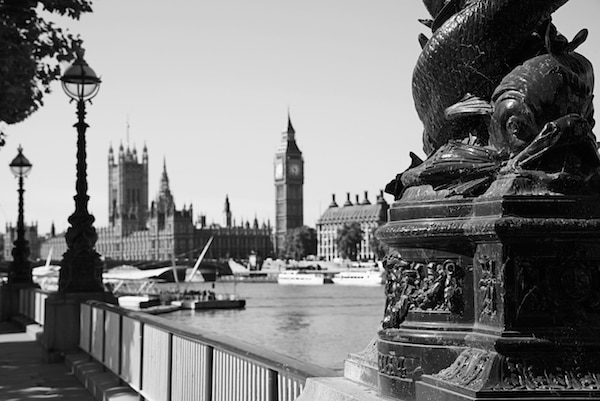
Can London maintain its status as gateway to Europe? (Image credit: Andres Garcia Martin/iStock)
Veitch believes that London’s gateway status could be challenged. “As a long-serving entry hub to Europe, London may now be increasingly challenged by other key EU hub airports such as Paris, Frankfurt and Amsterdam, which will offer inbound travellers easier onward movement around EU member countries. Although it will take time, it’s likely the UK government will try to negotiate similar travel agreements to replicate those in place as a member of the EU.”
Concluded Veitch, “As the dust settles, there’s no doubt that we’ll see visible changes in the UK’s travel industry, and the government will have the unenviable task of implementing independent regulations to maintain the country’s position as a global tourism hub and gateway to Europe.”
To sign up for WIT Europe, click here
• Featured image credit (Brexit): Evgeny Gromov/iStock